10 Luxury Living Room Ideas That Don’t Require a Designer Budget
You buy a beautiful new sofa, hang some art, add a few plants, and the room still doesn’t feel the way it does in the photos you saved. That gap usually isn’t about money. It’s about proportion, texture, and lighting working together instead of a collection of individually nice things sitting in the same space. Real luxury living room ideas come down to a handful of decisions, not an unlimited budget, and most of them cost less than people assume.
1. What Actually Makes a Living Room Feel Luxurious
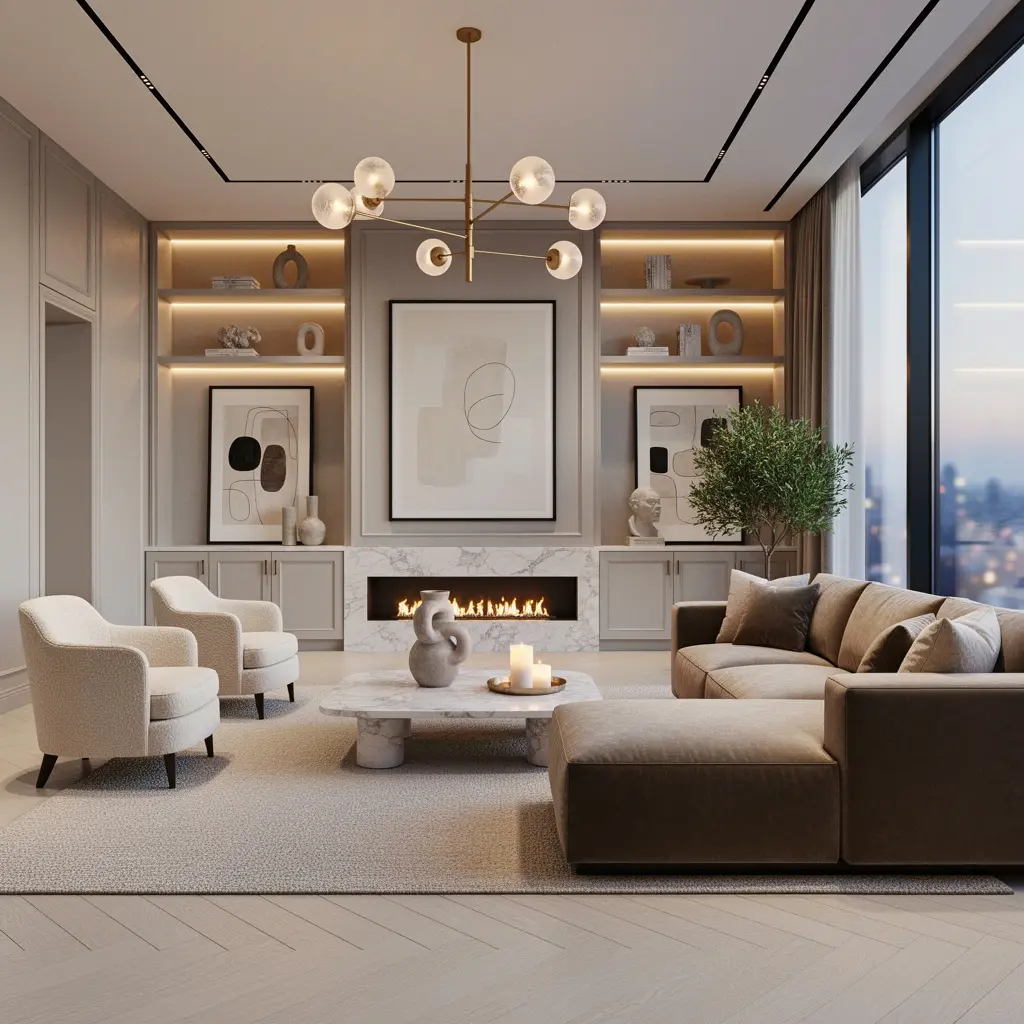
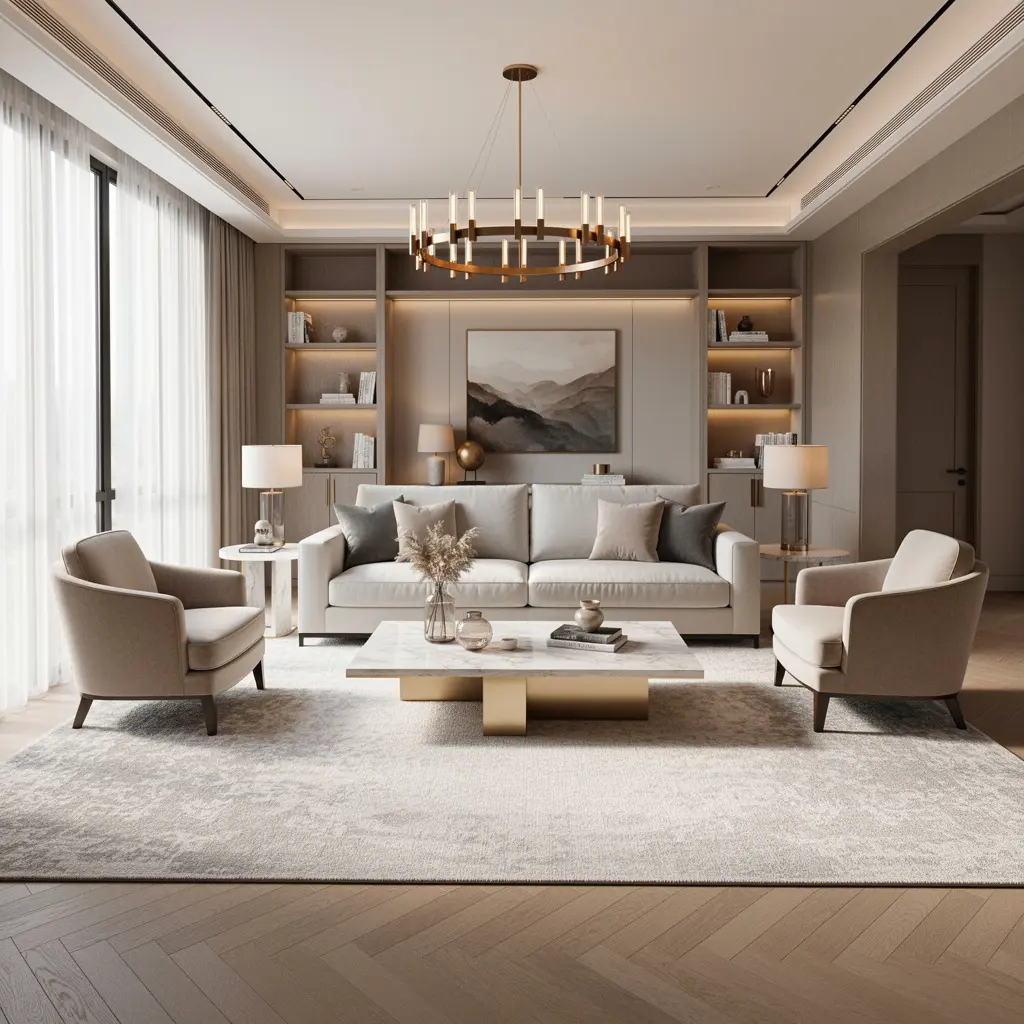
High end rooms share a few traits regardless of style, whether that’s a modern minimalist space or a traditional formal living room. They tend to have fewer, better chosen pieces, layered lighting instead of one bright overhead source, and materials with real weight and texture rather than flat, uniform surfaces.
Cheaper rooms often try to compensate with quantity, more decorative objects, more patterns, more small furniture pieces. Expensive looking rooms usually do the opposite. Restraint, more than anything else, is the quiet signal that separates a curated room from a cluttered one.
None of this requires a matching showroom set or a single designer brand. It requires paying attention to how pieces relate to each other, how light moves through the room at different times of day, and how much negative space you’re willing to leave rather than fill.
2. Choose Fewer, Larger Furniture Pieces Over Many Small Ones

A single deep, generously proportioned sofa reads as more luxurious than two smaller sofas or several mismatched chairs crammed into the same square footage. Look for seat depth around 22 to 24 inches and a low, substantial profile rather than a shallow, boxy shape.
Why Scale Matters So Much
Furniture that’s slightly undersized for a room makes the whole space feel like a display floor rather than a lived in room. Measure your space and lean toward the larger end of what fits comfortably, leaving at least 30 to 36 inches of walking clearance around the main seating area.
3. Layer at Least Three Light Sources in the Room

A single ceiling fixture flattens a room the same way it flattens a small bathroom. Combine ambient light from a ceiling fixture or recessed cans, task light from a floor or table lamp, and accent light from something like picture lights or a lit shelf.
Warm bulbs in the 2700K to 3000K range, dimmed lower in the evening, do more to create an upscale mood than any single fixture purchase. A $60 floor lamp on a dimmer often does more visual work than a $600 chandelier used at full brightness all evening.
4. Invest in Texture Before You Invest in Color

A room in a single neutral color palette, cream, taupe, warm gray, can still look expensive if the textures vary enough. Bouclé, linen, velvet, and a nubby wool rug all read as tactile and rich even in a limited color range, while flat cotton and smooth synthetic fabrics tend to read as more basic.
Mixing Textures Without Overdoing It
Aim for at least three distinct textures in the main seating area, for example a smooth leather chair, a textured wool rug, and a linen sofa. More than five or six competing textures in one room starts to feel busy rather than layered.
5. Pick One Statement Piece and Let It Anchor the Room

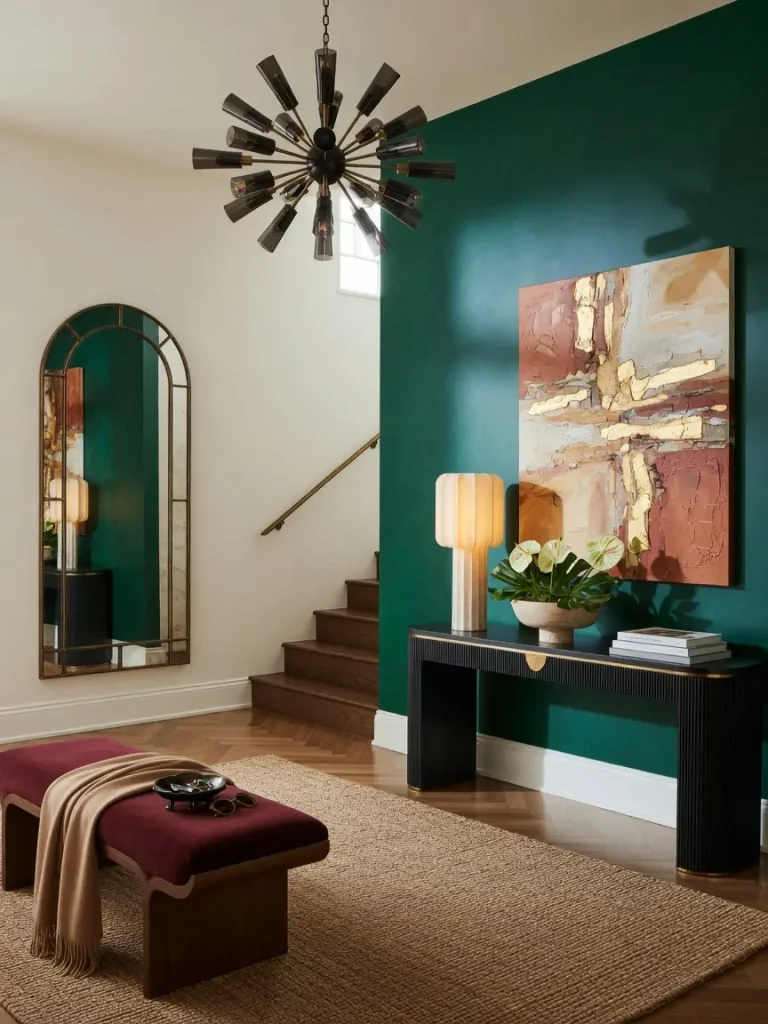
A sculptural light fixture, an oversized mirror, or a striking piece of art can carry an entire room’s sense of luxury on its own, as long as everything else stays relatively quiet and supportive. Trying to make every element a statement piece cancels out the effect and leaves the room feeling chaotic instead of curated.
Choose the one piece you genuinely love most and build color and material choices around it, rather than treating every purchase as equally important. This is also the item worth stretching your budget for, since it’s the piece guests actually notice and remember, while the surrounding furniture can stay simpler and less expensive.
6. Use a Properly Sized Area Rug, Not an Undersized One
An undersized rug, where furniture legs sit awkwardly off the edge, is one of the fastest ways to make an otherwise nice room look unfinished. In a standard living room, aim for a rug large enough that at least the front legs of your main seating pieces rest on it.
Rugs in this size range, roughly 8 by 10 feet or 9 by 12 feet depending on the room, typically run $200 to $800 in wool or wool blend, with hand knotted options running considerably higher.
7. Add Weight With Solid Wood, Stone, or Metal Accents
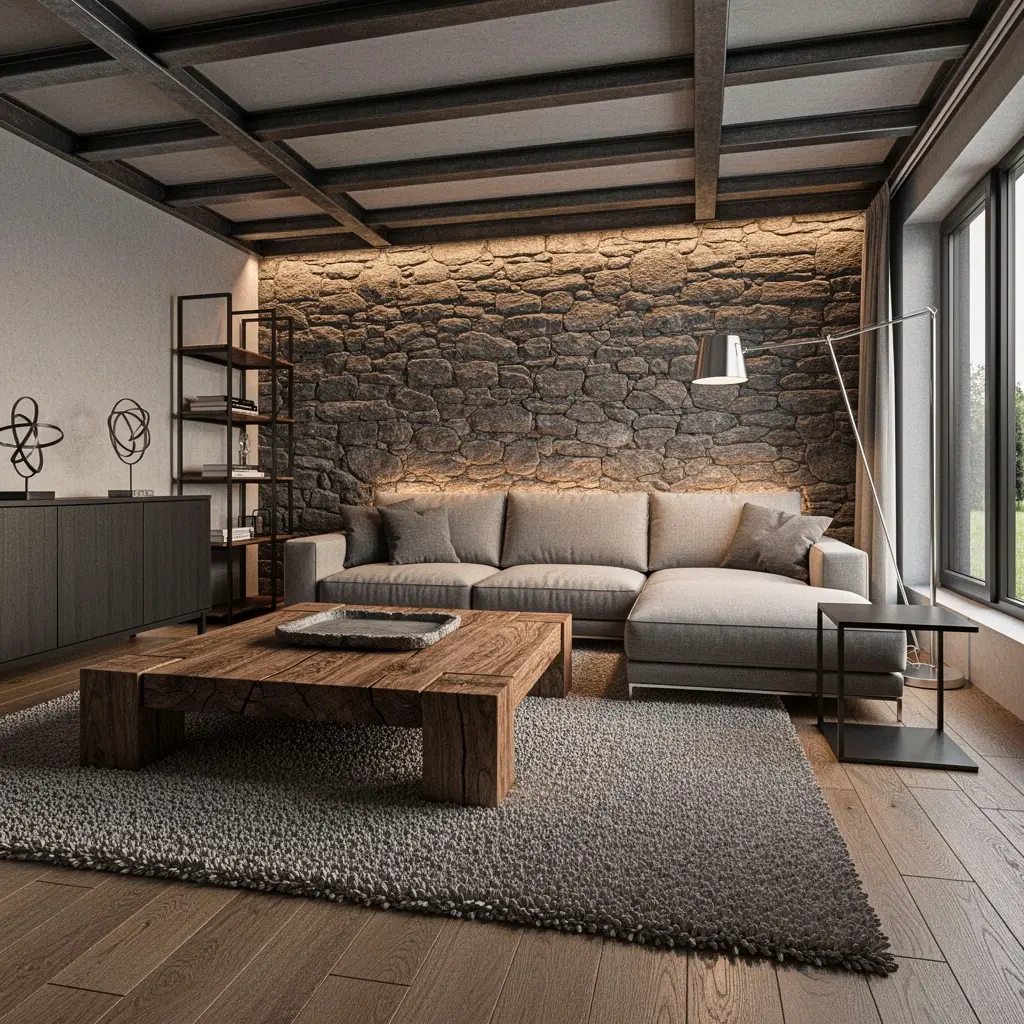
Lightweight, hollow feeling furniture and accessories, however nicely styled, tend to undercut a luxurious feel the moment someone sits down or picks something up. Solid wood coffee tables, stone topped side tables, and forged or cast metal hardware all carry a sense of permanence that laminate and hollow core pieces don’t.
This doesn’t mean every piece needs to be solid wood or natural stone. Even one or two anchor pieces in real materials, like a stone coffee table or a solid wood console, can shift the perceived quality of an entire room.
8. Keep Window Treatments Long and Full
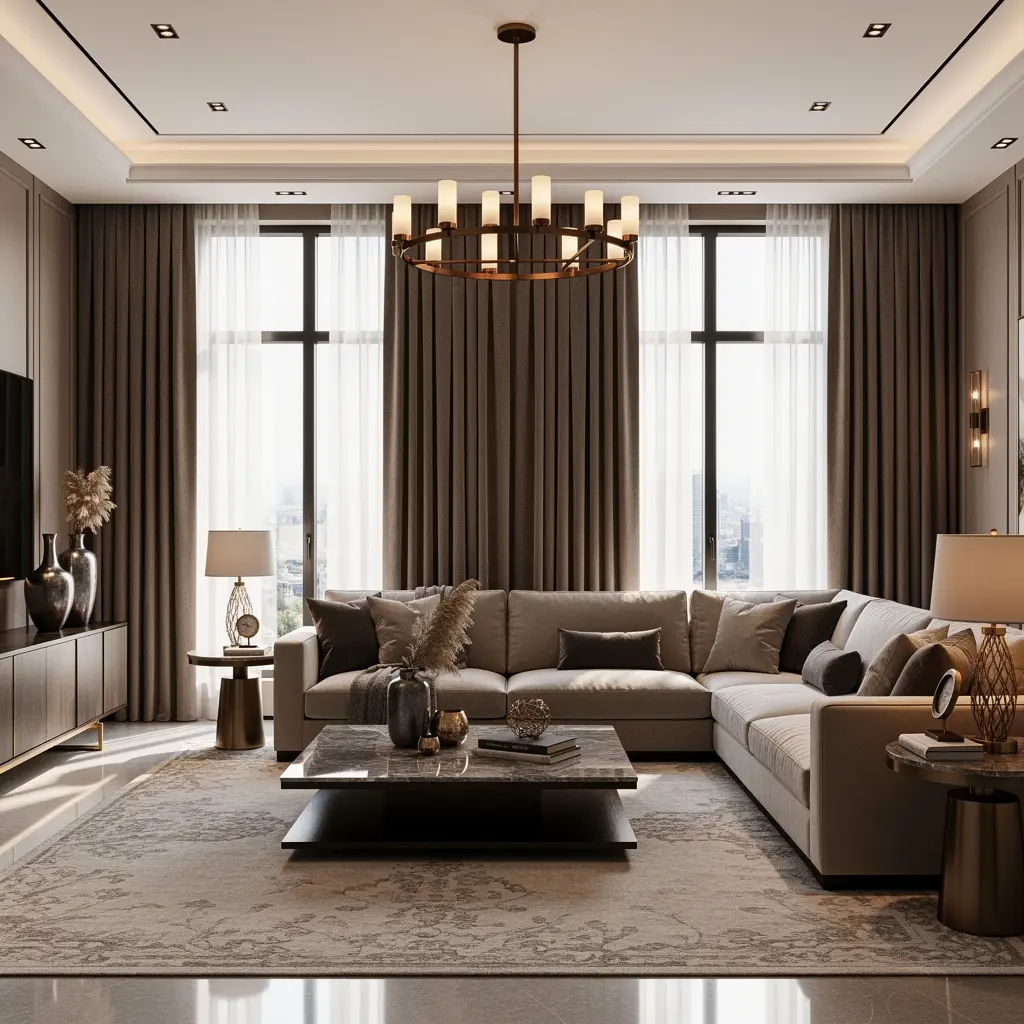
Short, skimpy curtains hung tight against a small window are one of the most common ways a living room ends up looking underdressed. Curtains hung close to the ceiling, extending to the floor or slightly pooling, make windows and ceilings both feel taller and more generous.
Full length linen or heavier woven curtain panels in the $40 to $150 per panel range, hung on a rod mounted several inches above the window frame, do more for a room’s sense of scale than almost any other single change.
9. Edit Down Decorative Objects Instead of Adding More

It’s tempting to fill every empty surface with candles, small sculptures, and framed photos, but a shelf or console covered edge to edge in small objects tends to look cluttered rather than curated. Grouping objects in odd numbers, with varied height, and leaving visible negative space between groupings reads as far more intentional.
Removing objects is often more effective than adding new ones. Before buying another accessory, try clearing a surface down to two or three pieces and see how much calmer the room feels.
10. Where to Spend and Where to Save on a Real Budget
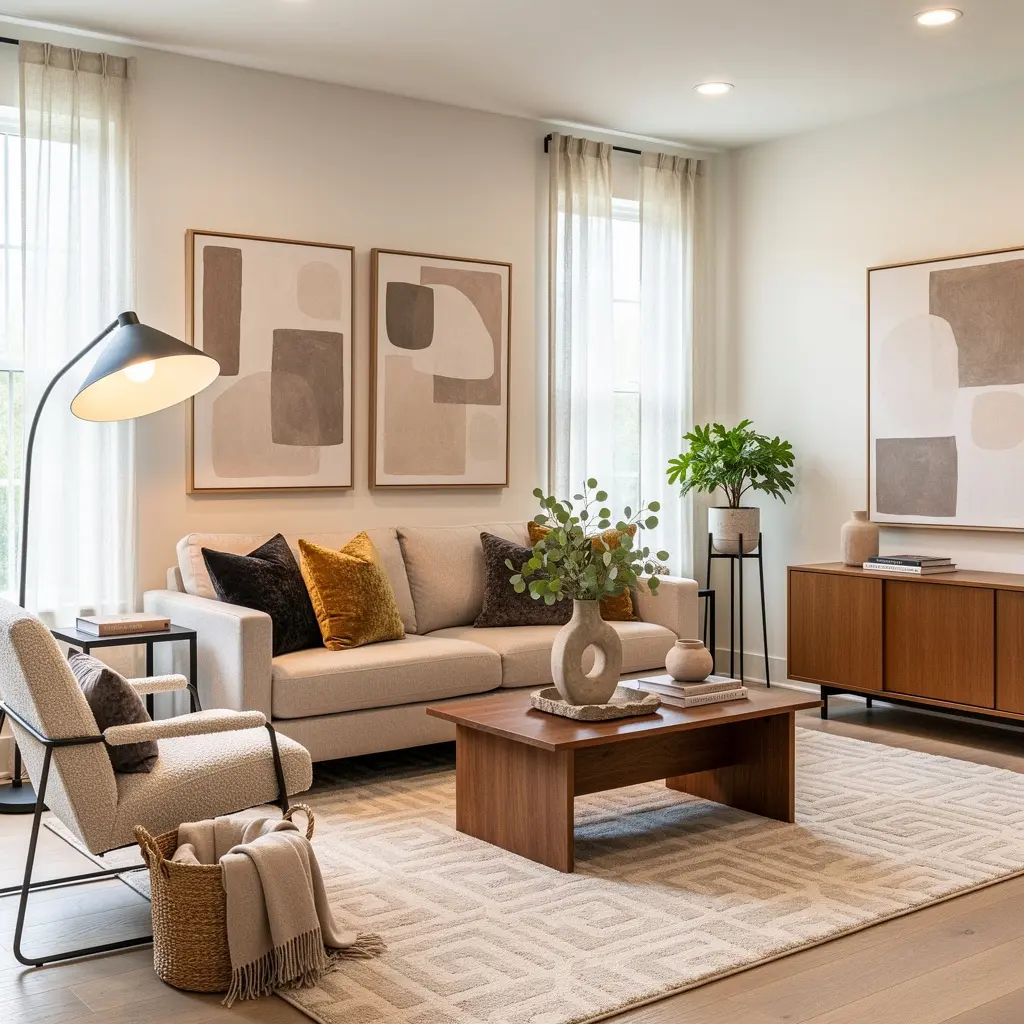
Not every element needs a high price tag to contribute to a luxurious feel. Spend where texture and durability matter most, a well made sofa, a good rug, solid wood furniture, and save on items that are easy to swap later, like throw pillows, small vases, or seasonal decor.
Vintage and secondhand pieces, especially solid wood furniture and well made lighting, often deliver more visual weight per dollar than new budget furniture, and they add a sense of history that brand new pieces can’t fake. Estate sales, consignment shops, and online marketplaces are worth checking before committing to full retail price on larger anchor pieces like a coffee table or a credenza.
Mistakes to Avoid
- Filling a room with many small furniture pieces instead of fewer, larger ones
- Relying on a single overhead light source for the entire room
- Choosing an undersized area rug that leaves furniture legs off the edge
- Hanging short curtains tight against the window frame
- Treating every decorative object as a statement piece
- Prioritizing color choices over texture and material quality
Frequently Asked Questions
Do I need expensive furniture to make a living room look luxurious? No. Proportion, texture, and lighting matter more than price tags, and thoughtful secondhand or mid range pieces can look more upscale than poorly chosen expensive ones.
What’s the biggest mistake people make trying to create a luxury living room? Adding too many small decorative pieces and light sources instead of choosing fewer, larger, better made items and giving the room visual breathing room.
How many lamps should a living room have? Most living rooms benefit from at least two to three separate light sources beyond the main ceiling fixture, positioned at different heights around the seating area.
Is a neutral color palette necessary for a luxury look? Not necessary, but neutral palettes are more forgiving and let texture do more of the work, which is why they show up so often in high end interiors.
How big should a living room rug be? Large enough that at least the front legs of your main seating pieces rest on it, which usually means sizing up from what feels intuitive at first.
Bringing It All Together
Luxury living room ideas work best when they’re treated as a system, proportion, texture, and layered lighting reinforcing each other, rather than a shopping list of individually expensive items. Start with furniture scale and lighting layers, since those two decisions affect how every other choice in the room reads. Once those fundamentals are right, even a modest budget can produce a room that genuinely feels upscale. Add pieces slowly, live with the room for a while before filling every surface, and let restraint do more of the work than another purchase ever could.