10 Modern LED Bedroom Ideas for a Dreamy Nighttime Glow
You install an LED strip behind your headboard expecting a soft, hotel style glow, and instead the room ends up looking like a teenager’s gaming setup, complete with a visible remote and a cord hanging down the wall. That gap between the Pinterest photo and the real result usually comes down to placement, color temperature, and how well the wiring is hidden, not the LED strip itself. Modern LED bedroom ideas work when the lighting looks built in and considered rather than stuck on as an afterthought.
1. Why LED Strips Often Look Cheap Instead of Modern
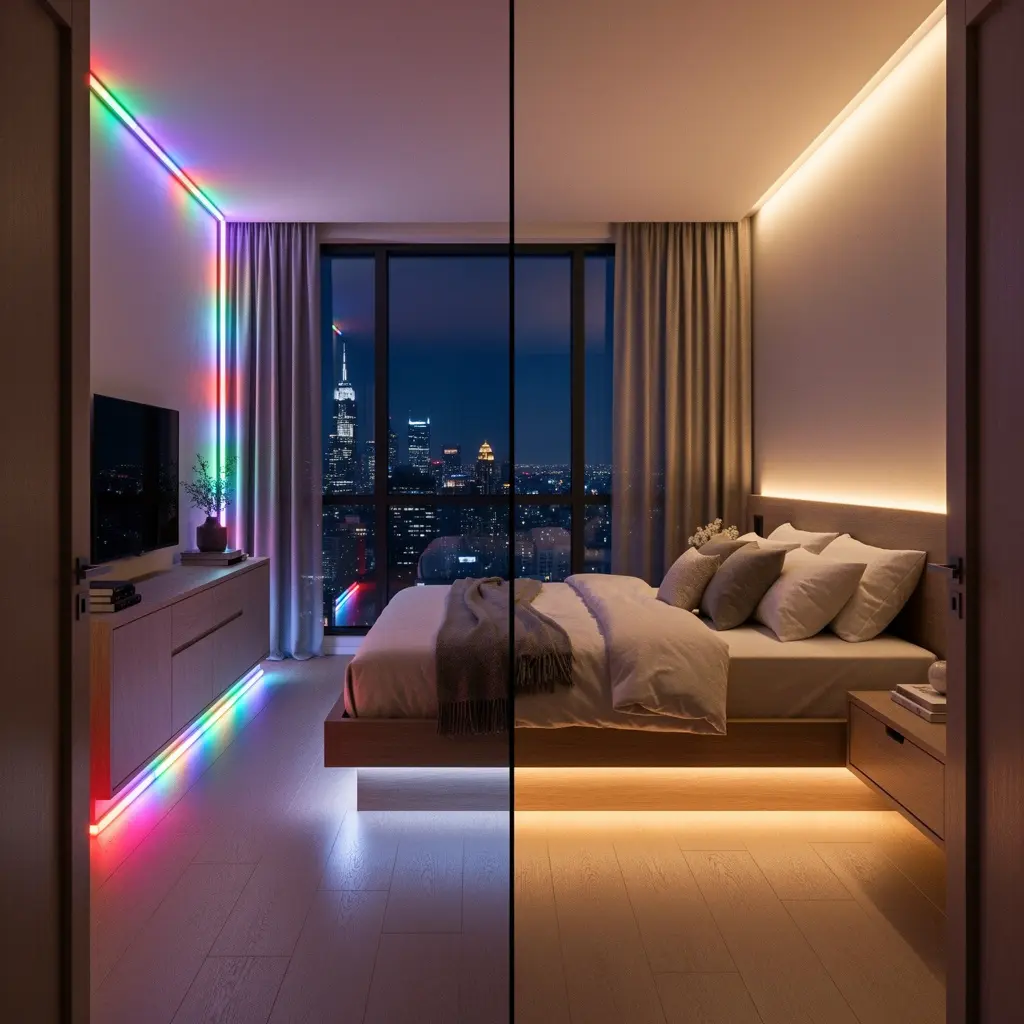
Most disappointing LED setups share the same three problems. The strip is visible instead of tucked behind or under something, the color temperature is too cool or shifts through rainbow colors, and the remote or power cord is left in plain sight on the nightstand or floor.
Fixing all three is mostly about planning before you buy. Decide where the strip will actually be hidden, choose a warm or tunable white strip instead of a colorful RGB one for daily use, and plan a route for the cord and controller before installation day, not after.
It helps to think of the strip as an electrical component you’re building into the room, not a decoration you’re sticking on top of it. That single mindset shift, treating placement and wiring as part of the design rather than an afterthought, is what separates a considered setup from one that looks like it was added in five minutes.
2. Place Strips Behind the Headboard for a Soft Glow
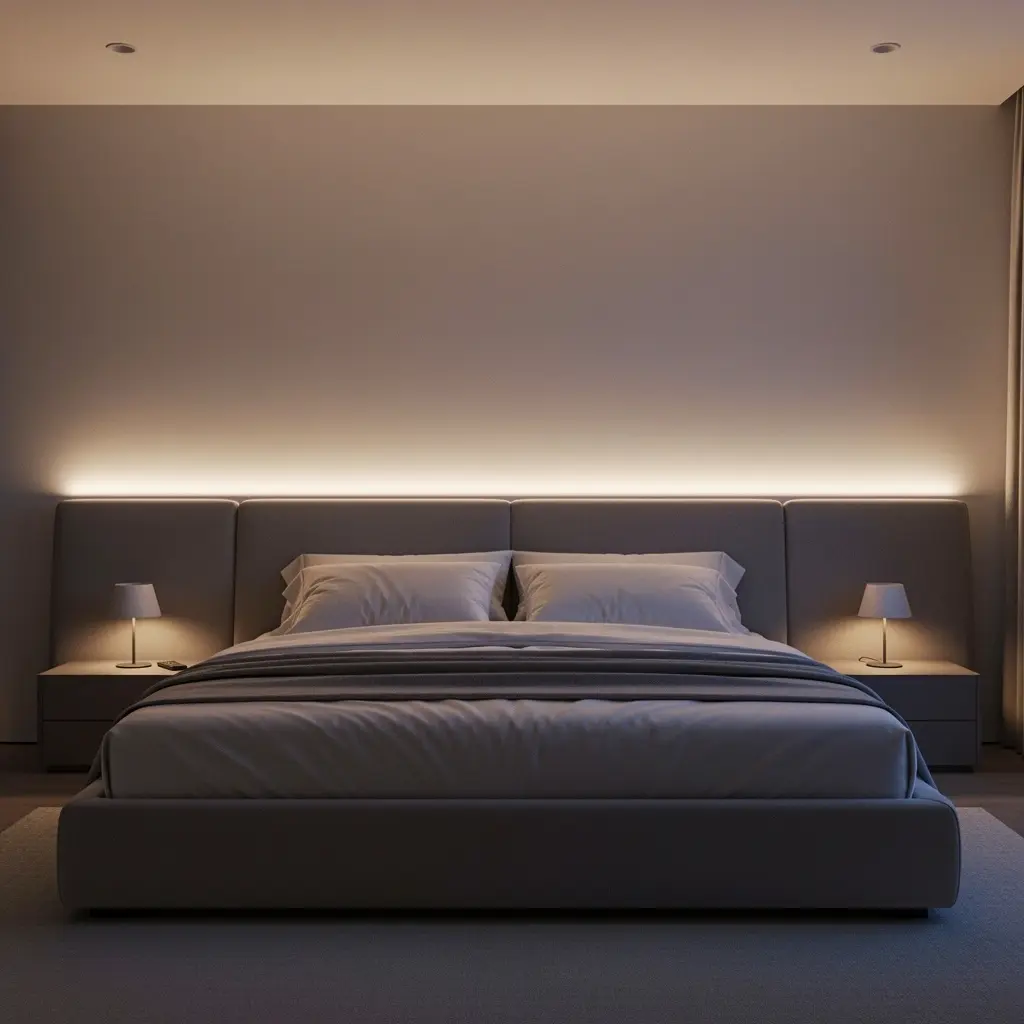
An LED strip mounted on the back of an upholstered or wood headboard, angled to shine toward the wall rather than directly at the bed, creates a soft halo effect that reads as genuinely upscale. This works whether the headboard is freestanding or attached to the wall, as long as there’s a small gap for the light to bounce through.
Getting the Angle Right
Mount the strip a few inches down from the top edge of the headboard, angled slightly toward the wall rather than straight out into the room. This keeps the light source hidden from view while still throwing a warm glow across the wall behind the bed.
3. Use Under Bed LED Lighting for a Floating Effect
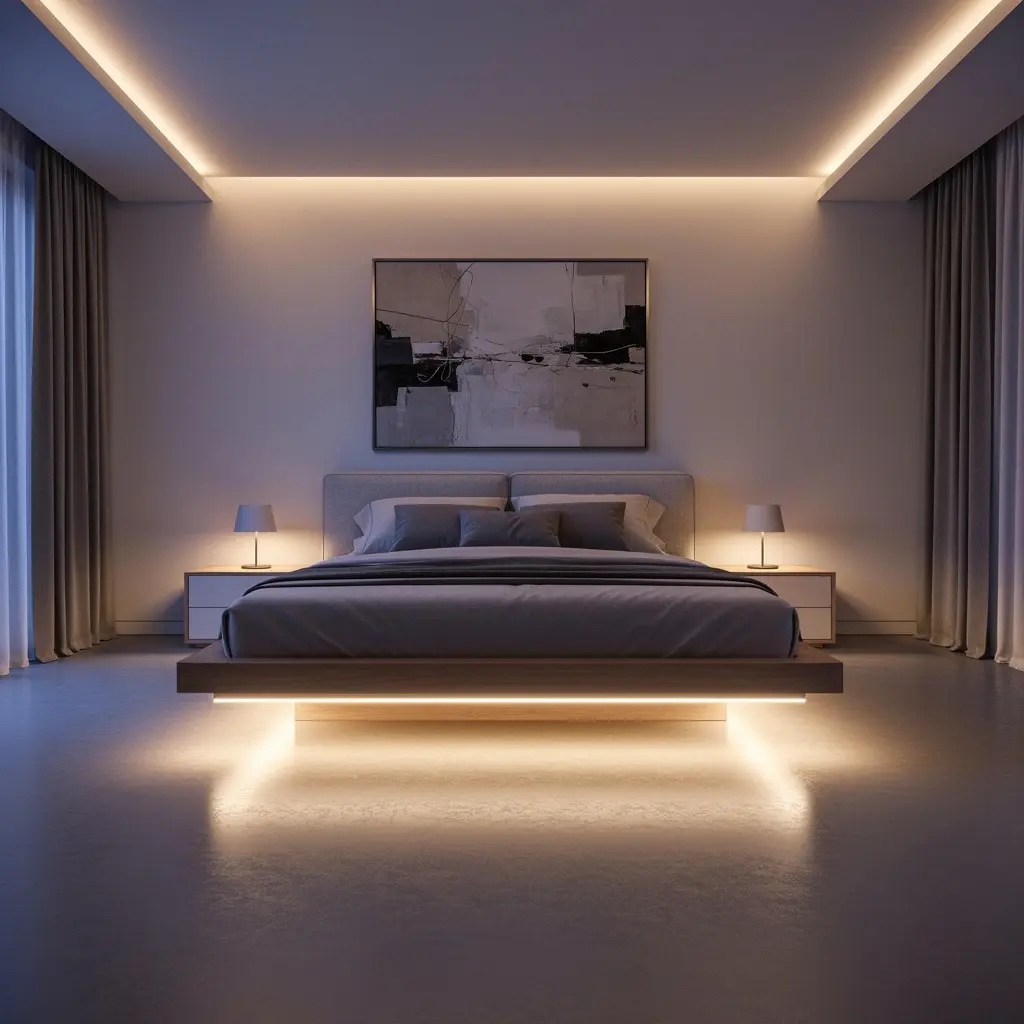
A warm white strip mounted along the underside of the bed frame, roughly two to four inches up from the floor, creates a subtle floating effect at night that also doubles as gentle nighttime navigation lighting. This works especially well with platform beds that already sit a few inches off the ground.
Motion activated strips, often $20 to $40 for a basic kit, are a practical upgrade here since they turn on automatically when you get up at night without needing to find a switch in the dark.
4. Stick to Warm or Tunable White Over RGB for Everyday Use

Full color RGB strips are fun for occasional use, but as an everyday bedroom light source they tend to read as more novelty than modern. A warm white strip in the 2700K to 3000K range, or a tunable white strip that shifts from warm to slightly cooler depending on time of day, looks far more intentional as a permanent fixture.
Save colorful RGB modes for specific occasions rather than daily use, and treat warm white as the default setting the room lives in most of the time.
5. Add Ceiling Cove Lighting for a Built In Look
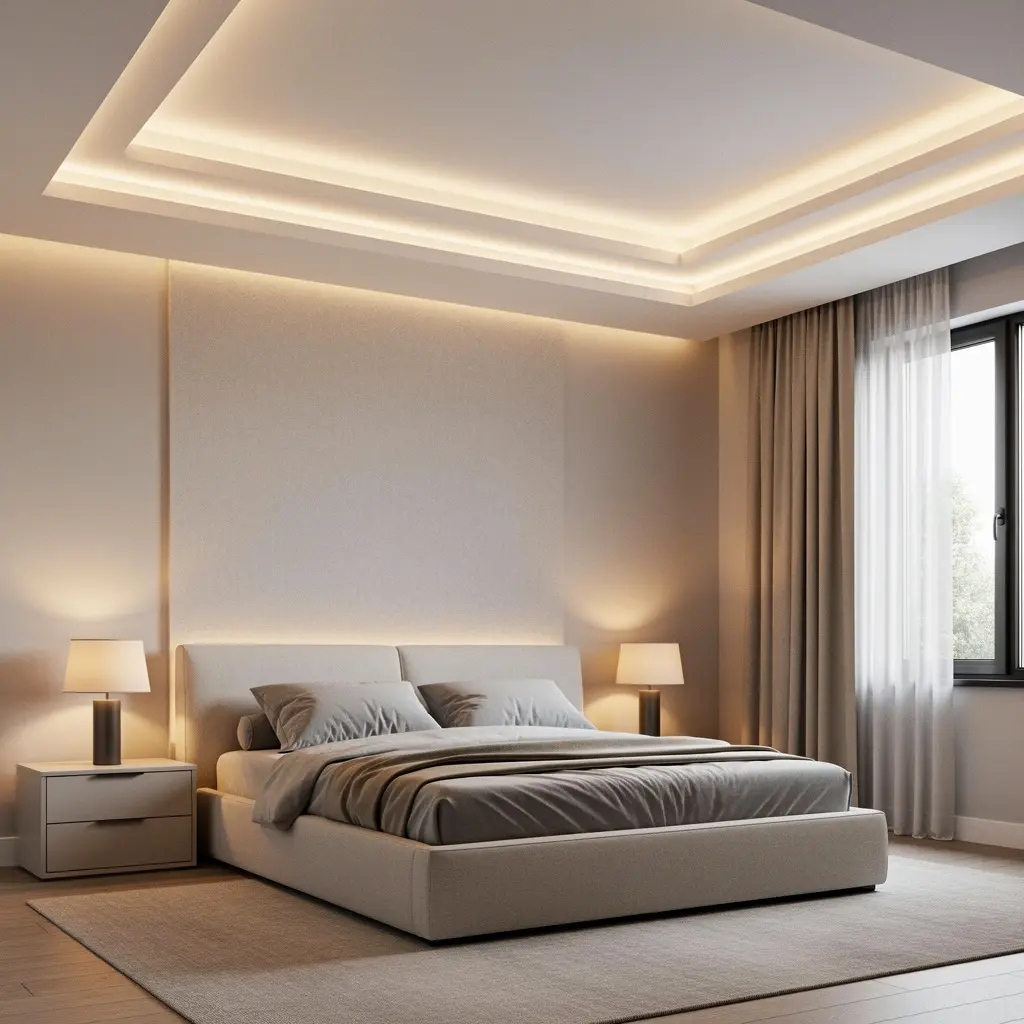
For a more architectural approach, LED strips installed in a recessed ceiling cove or along a dropped ceiling edge create indirect light that looks like it was designed into the room rather than added later. This is a bigger project, often involving a simple wood or drywall ledge built a few inches below the ceiling to hide the strip.
When This Is Worth the Extra Effort
Cove lighting makes the most sense in a primary bedroom or a room where you’re already planning other updates, since building the ledge adds real labor and material cost beyond the LED strip itself, typically several hundred dollars depending on room size and whether you hire it out.
6. Combine LED Accents With a Proper Overhead Fixture
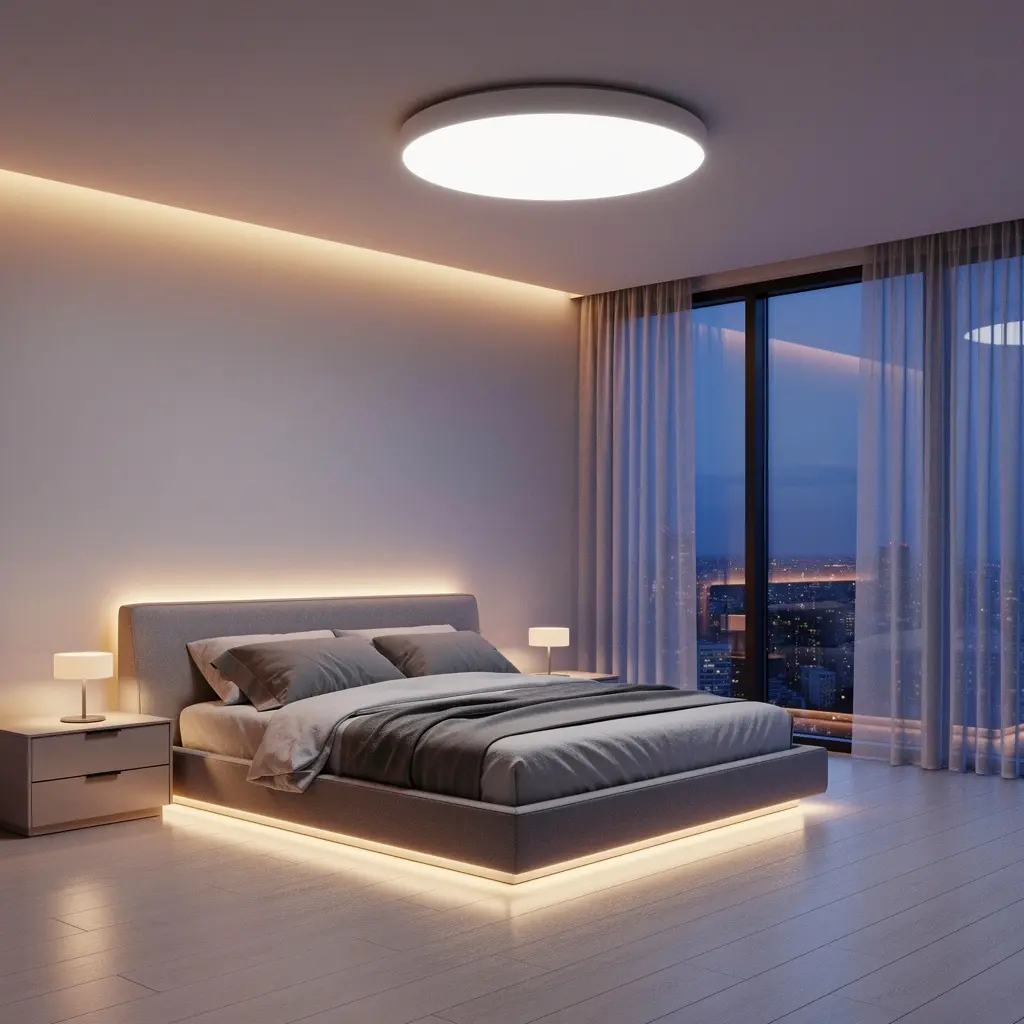
LED strips work best as accent lighting, not as the only light source in the room. Pair them with a proper ceiling fixture or a pair of table lamps for actual task lighting, reading, getting dressed, finding something in a drawer, while the LED strips handle mood and ambiance in the evening.
A dimmable flush mount or semi flush ceiling fixture in the $60 to $180 range covers most bedrooms without overpowering the softer accent lighting from the strips.
7. Use Smart Plugs or Controllers Instead of Visible Remotes
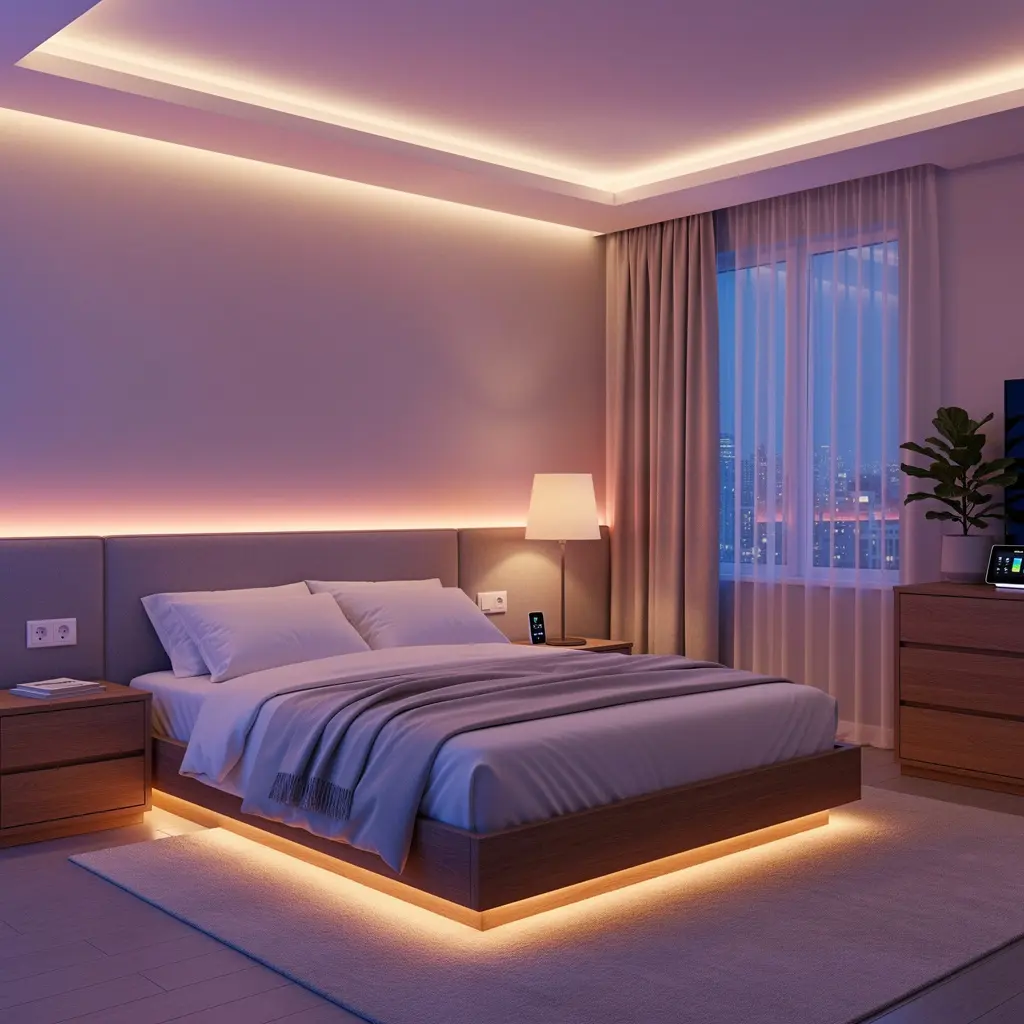
A small plastic remote sitting on the nightstand undercuts an otherwise well planned LED setup. Smart plugs or app controlled LED kits, usually $15 to $35 for a basic smart plug, let you control brightness and color temperature from a phone instead of a visible remote cluttering the nightstand.
Many newer LED strips also support voice control through a smart speaker, which removes the need for any physical remote in the room at all.
8. Hide Wiring and Power Supplies Completely
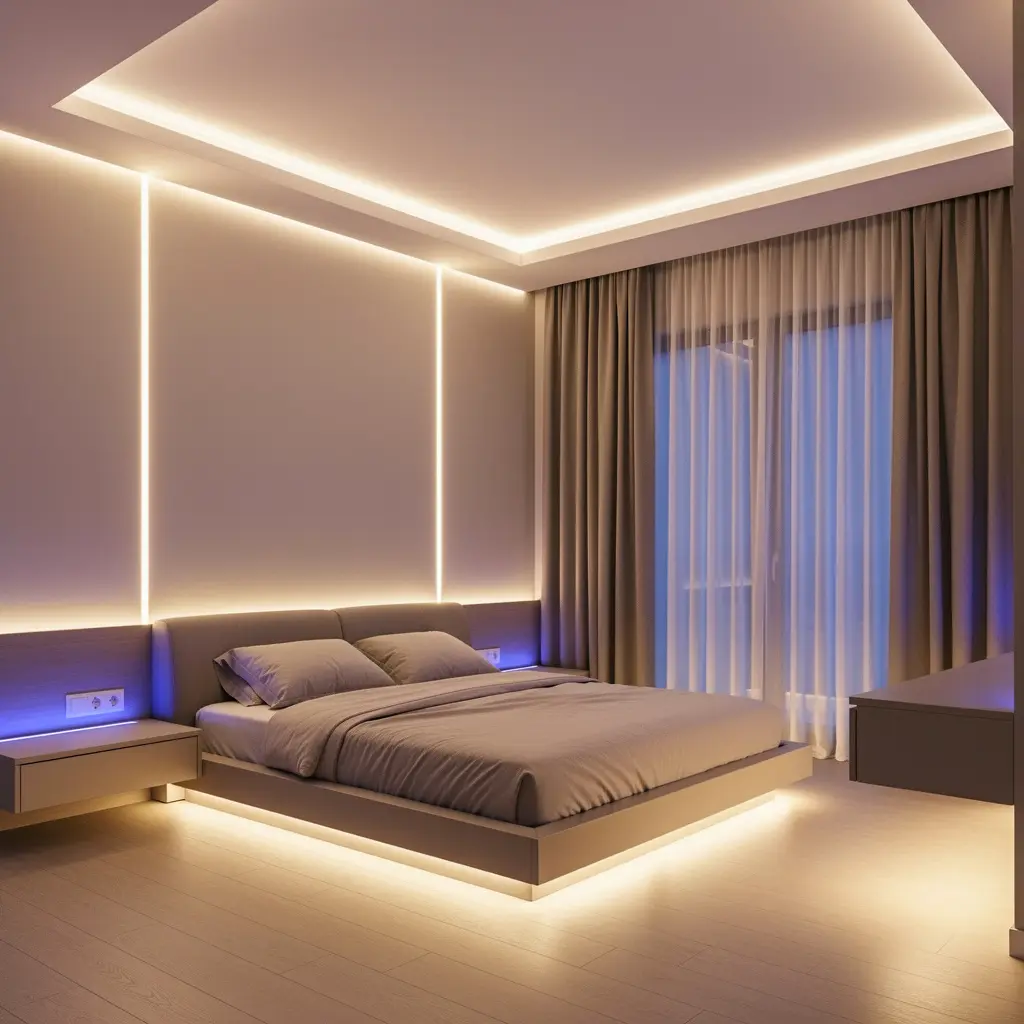
A visible power cord running down the wall or across the floor is one of the fastest ways to make an LED setup look unfinished. Route cords behind the headboard, under the bed frame, or along a baseboard using adhesive cord clips or a slim cord cover, so nothing is visible from normal viewing angles in the room.
Battery powered LED strips are a genuinely useful option for renters or anyone who doesn’t want to deal with visible outlets, though they typically need more frequent charging or battery changes than plug in versions.
9. Match LED Color Temperature to Your Existing Lamps
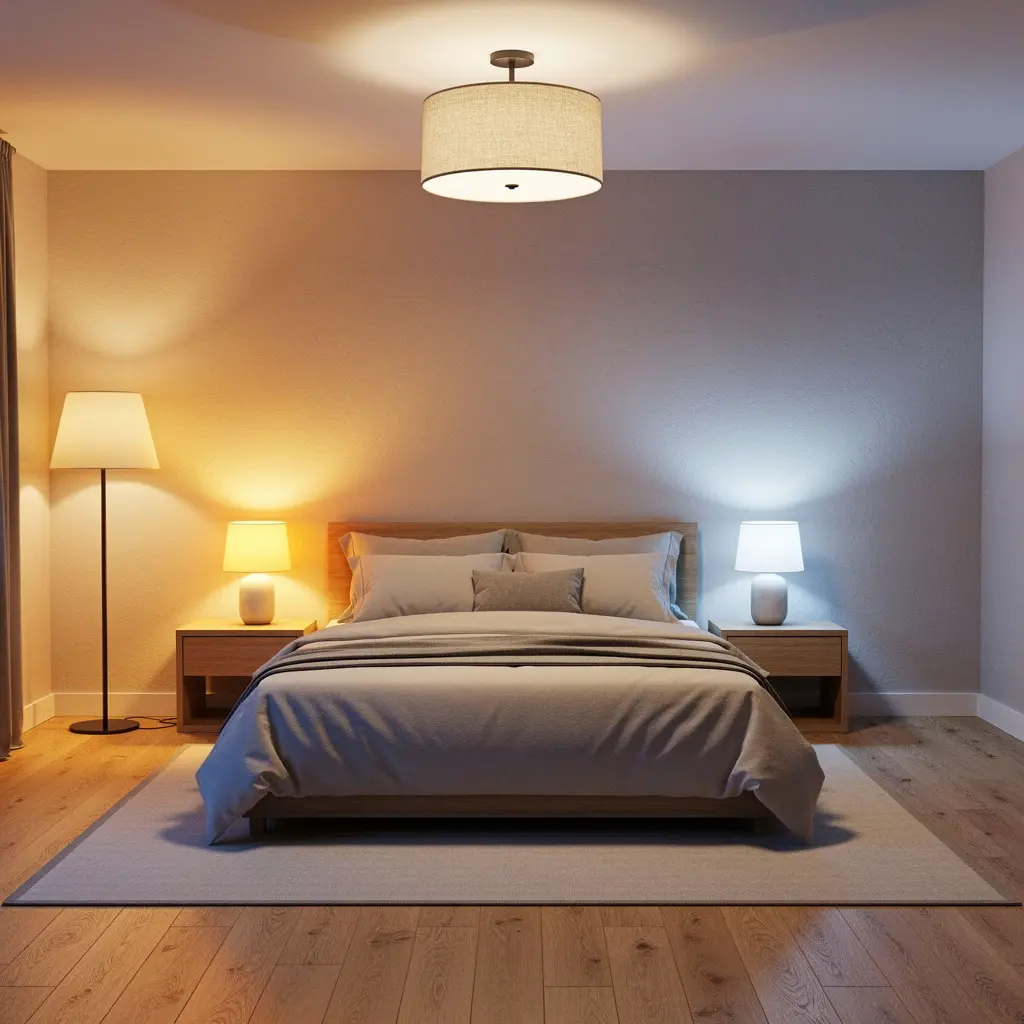
Just like in a small bathroom, mismatched color temperatures between your LED strip and your existing lamps or overhead fixture create a subtle, hard to place inconsistency. If your lamps run warm at 2700K, match your LED strips to the same range rather than defaulting to whatever setting the strip ships with.
Many tunable LED strips let you save a custom warm white setting as the default, which is worth doing once during setup so you’re not readjusting the color every time you turn the lights on.
10. Budget Options That Still Look Genuinely Modern
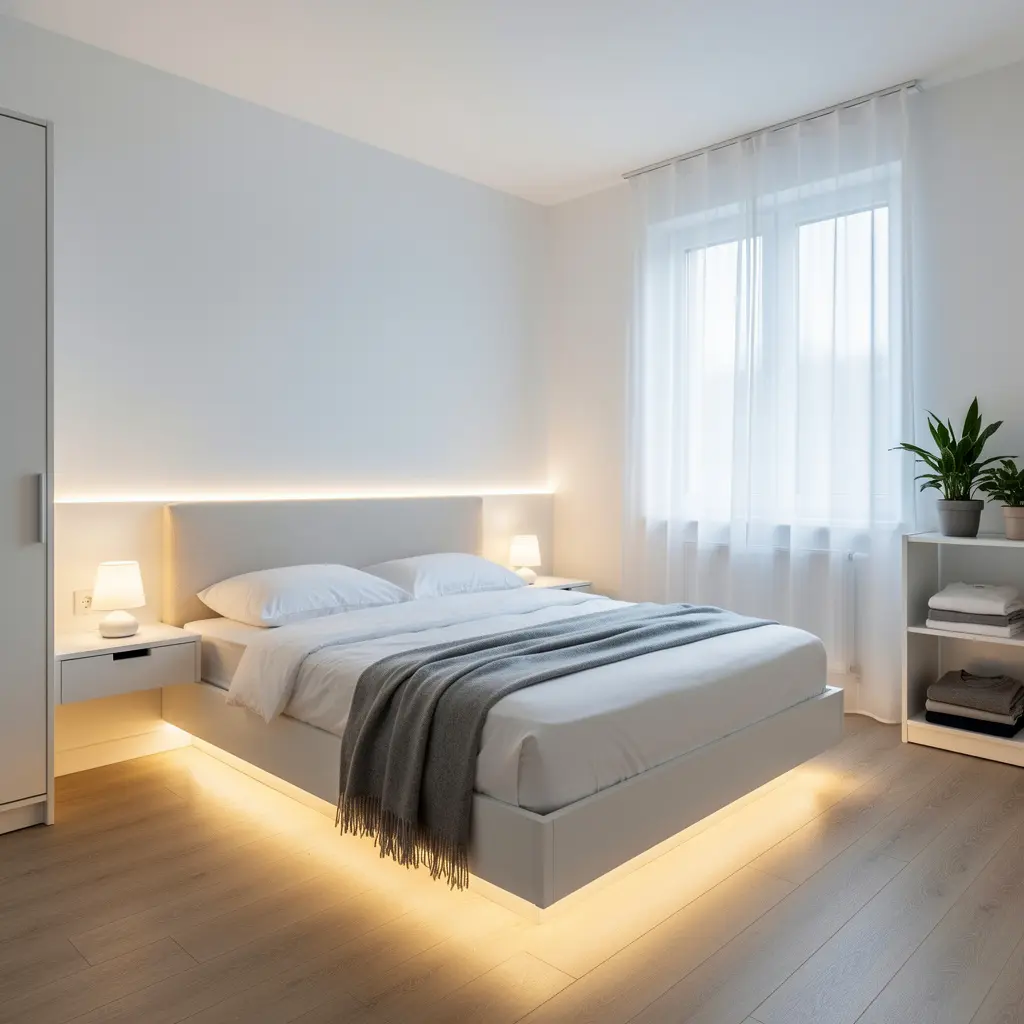
A full smart lighting setup isn’t required to get a modern LED look. A basic warm white strip, a simple plug in dimmer, and careful placement behind a headboard or under a bed frame can cost under $50 total and still look considered rather than thrown together.
The placement and color temperature choices matter more than the price of the strip itself. A $15 basic warm white strip installed thoughtfully will consistently look better than a $60 RGB strip left on a random rainbow setting. If you’re working with a tight budget, spend the extra few dollars on adhesive strength and cord management accessories before upgrading to a fancier controller, since a strip that peels off the wall after a month undoes any color or brightness advantage it had.
Mistakes to Avoid
- Leaving the LED strip itself visible instead of tucked behind or under something
- Defaulting to cool white or shifting RGB colors for everyday use
- Leaving a visible remote or power cord in plain sight
- Using LED strips as the only light source in the room
- Mismatching LED color temperature against existing lamps
- Skipping a cord routing plan before installation
Frequently Asked Questions
What color temperature looks best for bedroom LED strips? Warm white in the 2700K to 3000K range tends to look the most cozy and intentional for everyday use, closer to the tone of a traditional lamp.
Are LED strips bad for sleep? Bright, cool toned light close to bedtime can interfere with sleep, so dimming to a warm, low setting in the evening is a better habit than running strips at full brightness before bed.
Can renters install LED strip lighting without damaging walls? Yes. Most adhesive backed LED strips and cord clips are designed to be removable, though it’s worth checking weight limits and testing an inconspicuous spot first.
How long do LED light strips typically last? Quality LED strips generally last several years of regular daily use before noticeably dimming, though cheaper strips may fade or flicker sooner.
Do I need an electrician to install bedroom LED strips? No, for standard plug in adhesive strips. An electrician is only necessary for hardwired ceiling cove lighting or any project involving new wiring.
Making LED Lighting Feel Like Part of the Room
Modern LED bedroom ideas work when the lighting supports the room instead of announcing itself. Hide the strip, choose a warm color temperature, route the cords out of sight, and pair the accent lighting with a proper overhead fixture for actual daily use. Get those basics right, and an LED strip that cost under fifty dollars can look every bit as considered as a much larger lighting project. Start with one area, the headboard or the underside of the bed, get the placement and color temperature right there first, and expand to other spots only once that first install actually looks the way you pictured it.