10 Dreamy Living Room Decor Ideas with Beautiful Plant Styling
A living room with a sofa, a rug, and nothing green in sight can feel flat. That’s usually the real issue behind a search for dreamy living room decor ideas with plant styling. Plants add life. They add texture. And they do it without much cost. Picture a tall fiddle leaf fig anchoring one corner. A trailing pothos spills over a shelf nearby. That kind of layering is what this article walks through.
1. Start With One Tall Anchor Plant

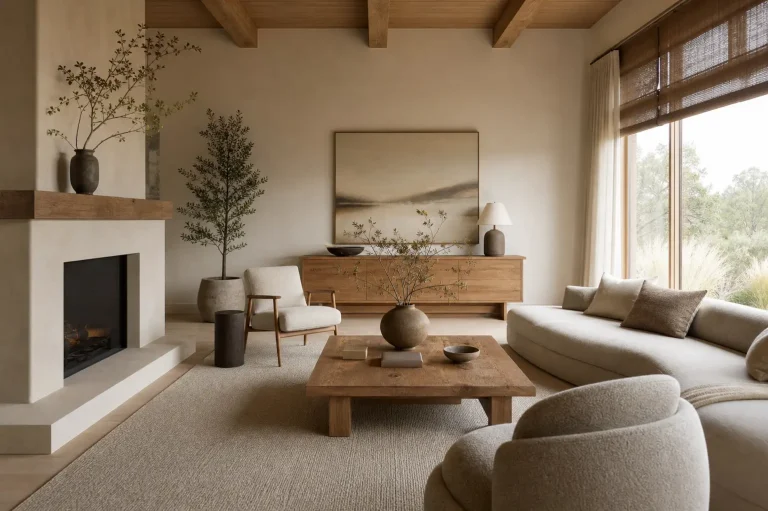
A tall floor plant gives a room instant presence. A fiddle leaf fig, a snake plant, or a rubber plant works well here. Most anchor plants run $40 to $120 depending on size and pot.
Why Height Matters First
A room full of small tabletop plants can feel scattered. One tall plant gives the eye a place to land. Start there before adding smaller pieces.
2. Layer in a Trailing Plant for Movement

A pothos or string of pearls adds motion to a room. Place it on a shelf or a plant stand. Let the vines hang naturally. This softens straight furniture lines nearby.
Trailing plants also work well on top of a bookshelf. They fill dead space that often goes unused.
3. Choose Pots That Match Your Room’s Palette

A terra cotta or ceramic pot in a neutral tone fits most living rooms. Avoid pots that clash with your existing color scheme. A woven basket planter adds texture too.
A Quick Pot Rule
Match pot material to your room’s other textures. Wood furniture pairs well with ceramic. Metal accents pair well with concrete style pots.
4. Group Small Plants in Odd Numbered Clusters

Three small plants read better than two. Vary their heights slightly. Place them on a console table or windowsill. This creates a sense of intention rather than accident.
Mixing leaf shapes within a cluster adds visual interest. Try a spiky snake plant next to a rounder leafed plant.
5. Use Plant Stands to Add Height Variation

A wood or metal plant stand raises a smaller plant to eye level. This creates a layered look without buying larger plants. Stands run $20 to $60 depending on material and height.
Placing a stand near a window lets a smaller plant catch more light. It also frees up floor space for other furniture.
6. Place Plants Near Natural Light Sources

Most common houseplants need bright, indirect light. Place larger plants a few feet from a window rather than directly in harsh sun. Rotate plants occasionally so they grow evenly.
Reading Your Room’s Light
South facing windows tend to offer the most light throughout the day. North facing rooms may need lower light plants like a pothos or a snake plant.
7. Mix Real and Faux Plants Where It Makes Sense

A high quality faux plant works well in low light corners. Real plants thrive better near windows. Mixing both lets you style the whole room without worrying about every plant’s care needs.
Faux plants also help in rooms with pets that chew on greenery. Choose ones with realistic texture rather than shiny plastic leaves.
8. Add a Plant to an Empty Corner

Corners often go unused in a living room. A tall plant fills that space without crowding the seating area. This is one of the simplest ways to make a room feel complete.
A plant in a corner also softens the room’s overall geometry. It breaks up straight wall lines nicely.
9. Use Greenery to Soften Hard Furniture Lines

A leather sofa or a glass coffee table can feel stark on its own. Plants placed nearby add a natural counterbalance. This mix of hard and soft materials is part of what makes a room feel warm.
Try a small plant directly on a glass table. The contrast between smooth glass and organic leaves works well.
10. Keep Plant Care Realistic for Your Lifestyle
Choose plants that match your actual time and attention, not an idealized version. A snake plant or ZZ plant tolerates neglect well. A fiddle leaf fig needs more consistent care.
Being honest about your routine now saves money later. A thriving low maintenance plant looks better than a wilting high maintenance one.
Mistakes to Avoid
- Buying only small plants and skipping a tall anchor piece
- Choosing pots that clash with your room’s existing colors
- Placing plants in pairs instead of odd numbered clusters
- Ignoring your room’s actual light levels when choosing plants
- Overcrowding one corner while leaving the rest of the room bare
- Picking high maintenance plants without a realistic care routine
Frequently Asked Questions
What’s the easiest plant for a living room? A snake plant or pothos both tolerate lower light and inconsistent watering well. They’re a solid starting point for beginners.
How many plants should a living room have? There’s no fixed number. Start with one tall anchor plant and one trailing plant. Add more gradually based on how the room feels.
Do faux plants look convincing in a styled room? Yes, especially higher quality ones with varied leaf texture. They work well in low light spots where real plants would struggle.
Where should I place a tall floor plant? An empty corner or beside a sofa both work well. Keep it a few feet from direct harsh sunlight unless the plant specifically needs full sun.
How do I keep plant styling from looking cluttered? Vary heights, group in odd numbers, and leave open space between groupings. Not every surface needs a plant.
Conclusion
Plant styling brings warmth to a living room in a way few other decor choices can match. Start with one tall anchor plant. Layer in trailing greenery and a few small clusters. Match your pots to your room’s palette, and choose plants that fit your actual routine. The result is a space that feels genuinely alive.