10 Aesthetic Master Bedroom Ideas for a Relaxing Retreat
The master bedroom is often the biggest room in the house and, somehow, the least intentionally designed. It becomes a catchall, a laundry basket parked in the corner, mismatched furniture inherited from other rooms, no real plan behind any of it. These aesthetic master bedroom ideas focus on turning that space back into what it’s actually meant to be, a retreat, not a storage overflow.
1. Why Master Bedrooms Often Become Catchalls Instead of Retreats

Guest bedrooms and living rooms tend to get styled first, since they’re the rooms visitors actually see. The master bedroom, private by nature, often gets deprioritized, and clutter tends to migrate there simply because no one else is looking.
That neglect compounds over time. A room that starts as functional but unstyled slowly accumulates more function, and less style, until it barely resembles a retreat at all. Reversing that requires treating the master bedroom with the same intentionality most people reserve for rooms guests will see.
2. Editing the Room Down to What It’s Actually For
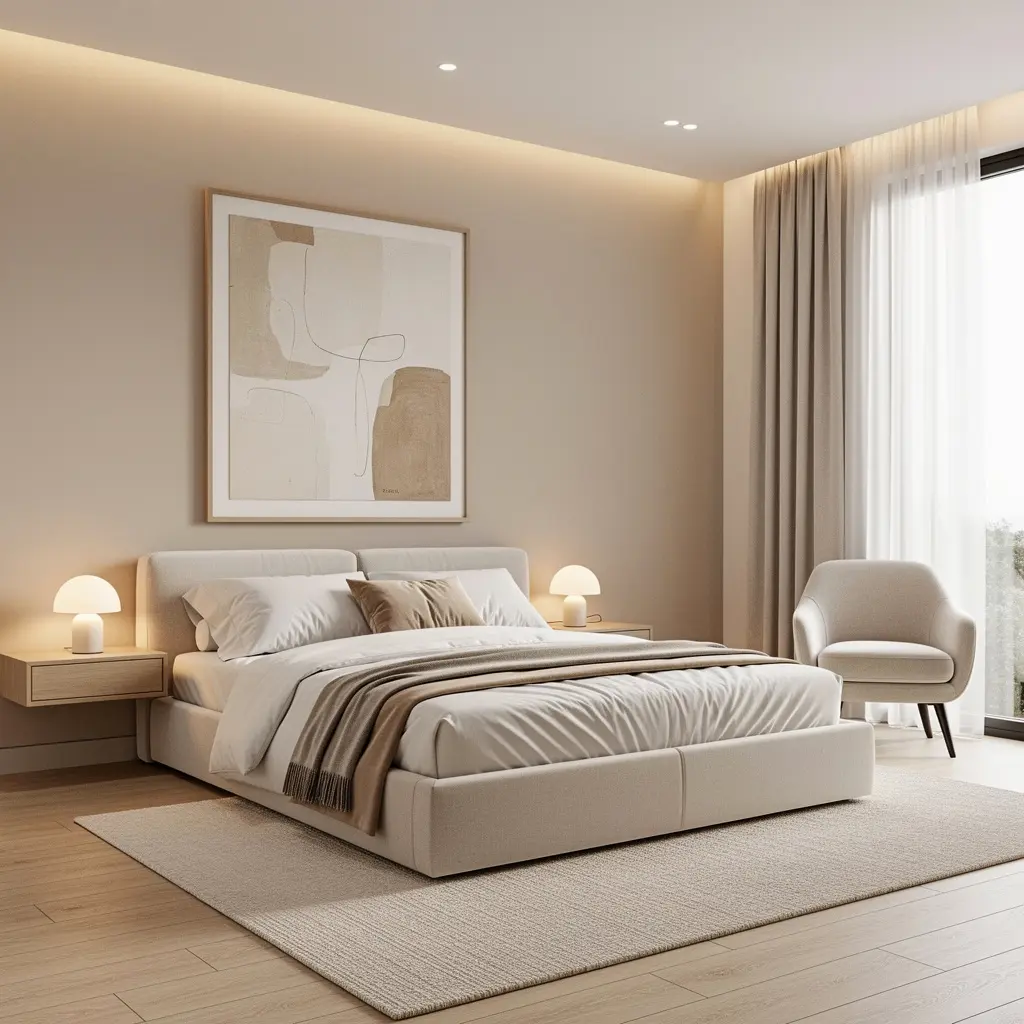
Before adding anything new, it helps to remove what doesn’t belong. Exercise equipment, a home office setup, laundry that hasn’t made it to the hamper, all of it works against the calm a master bedroom is supposed to provide.
A quick tip that helps: walk through the room and sort everything into two categories, things that support rest and things that don’t. Anything in the second category gets relocated, even if that just means a designated spot in a different room.
What Belongs Elsewhere
A treadmill or home office desk, even a small one, changes the room’s function from restful to multipurpose, which undercuts the retreat feeling more than almost any decor choice could. If space allows, relocating these items, even to a hallway nook or a repurposed closet, makes a noticeable difference.
3. Creating a Dedicated Zone Beyond Just the Bed
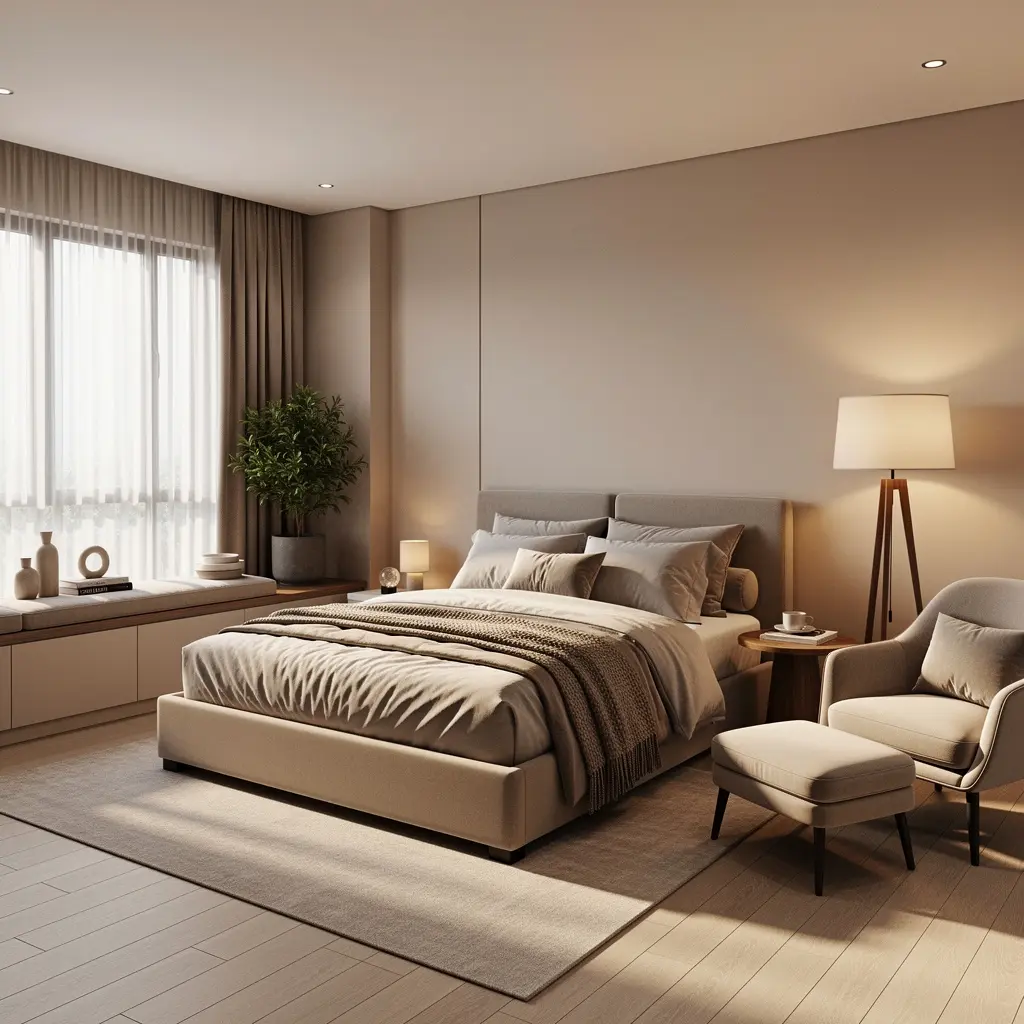
A master bedroom, unlike a smaller bedroom, often has enough square footage for more than just a bed and nightstands. A small seating area, an accent chair with a side table, gives the room a second function without turning it into a full second living space.
Positioning that seating area near a window, if the room allows, takes advantage of natural light for a spot to read or drink coffee before the day starts. Even a narrow bedroom bench at the foot of the bed adds a defined, secondary zone without requiring a large amount of extra space.
4. Layering Texture for a Genuinely Restful Feel

A room can look styled and still feel cold if texture is missing. A substantial area rug, extending well beyond the edges of the bed, adds warmth underfoot and grounds the room’s larger footprint.
Layered bedding, a duvet, a textured throw, and a mix of pillow covers in varied but coordinated tones, adds depth that a single flat comforter can’t replicate. Linen or waffle weave textiles tend to read as more elevated and relaxed than smooth cotton sateen, and the tactile difference genuinely affects how restful the bed feels to get into each night.
5. Lighting That Shifts From Functional to Calming
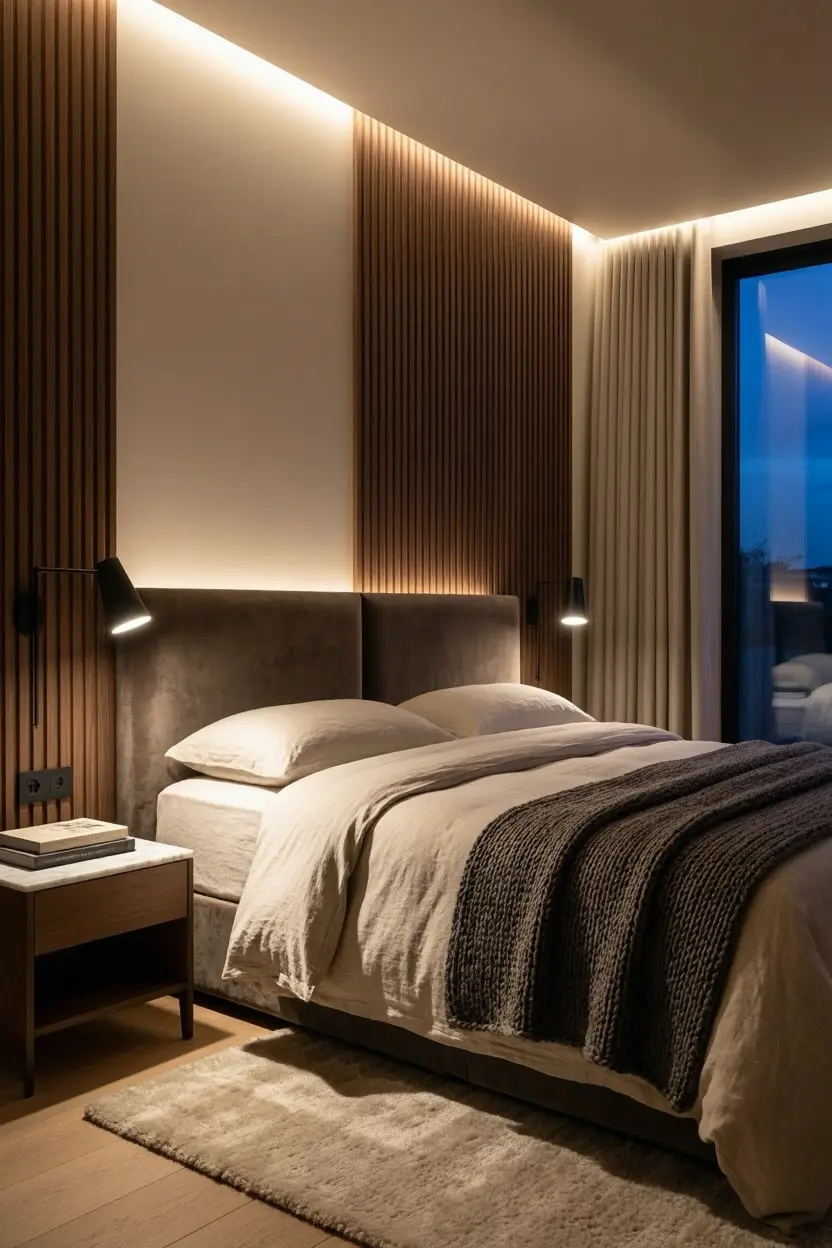
A master bedroom needs to serve two very different lighting needs, bright enough for getting dressed and functional tasks, soft enough for winding down at night. A single overhead fixture rarely manages both well on its own.
Layering in table lamps on both nightstands, plus a floor lamp or a reading chair light near the seating area, gives the room the flexibility a single fixture can’t provide. A dimmer switch on the overhead fixture, where the wiring allows for one, lets that single light source cover both needs without requiring separate switches for every lamp in the room.
Key takeaway: the biggest lighting mistake in a master bedroom isn’t choosing the wrong fixtures, it’s relying on too few of them to cover what’s actually a fairly demanding set of needs.
6. Choosing a Color Palette That Supports Rest
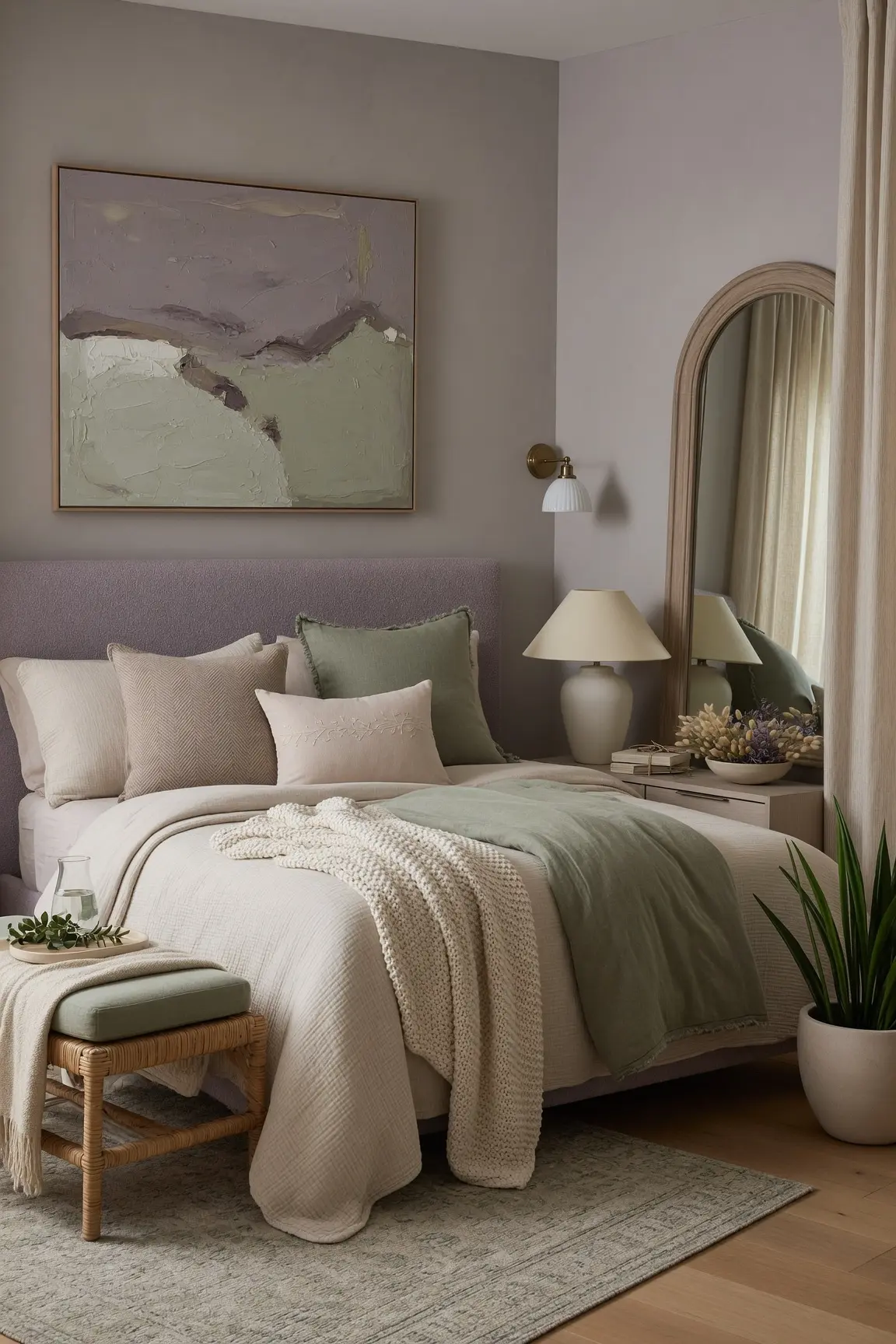
Cooler, more saturated colors can feel energizing, which works against a room meant primarily for rest. Muted, warm neutrals, a soft greige, a warm white, or a dusty sage, tend to support a calmer mood better than a bright, high contrast palette.
For anyone wanting more color, a deep, muted tone, a dusty blue or a soft charcoal, applied consistently rather than as a single accent wall, tends to read as enveloping and calm rather than jarring. Testing any color choice under both daylight and the room’s evening lighting matters here more than in a lot of other rooms, since a master bedroom gets used at both extremes of the day.
7. Furniture Choices That Suit a Larger Room Without Feeling Sparse
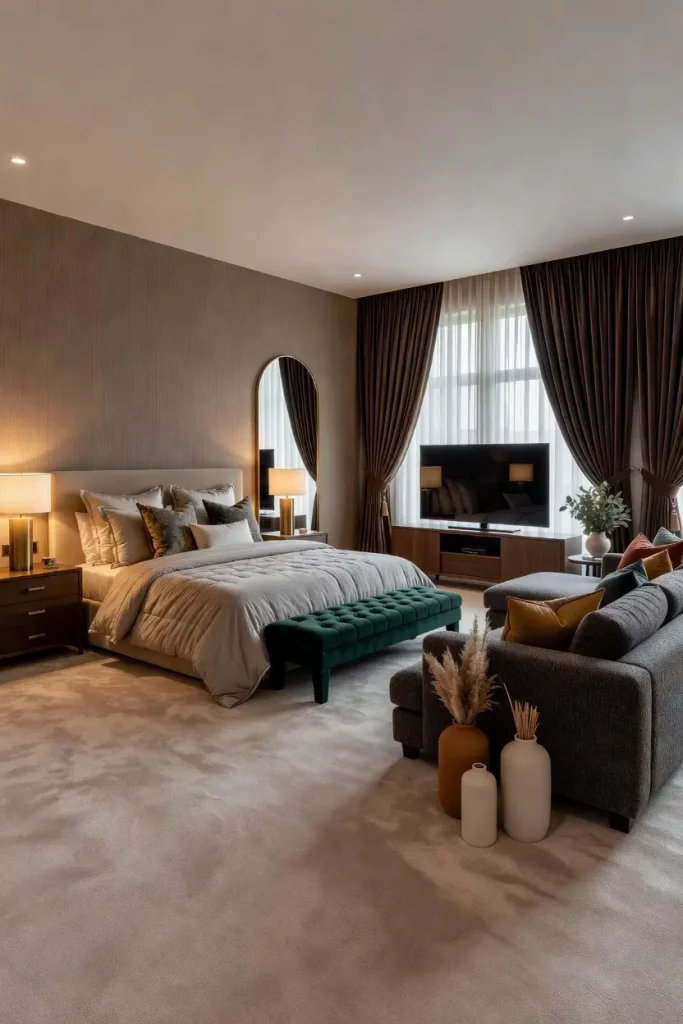
A master bedroom’s larger footprint can leave a room feeling empty if furniture is scaled too small, the opposite problem a small bedroom typically has. A substantial bed frame, proportional nightstands, and a dresser sized to actually fill its designated wall keep the room from feeling underfurnished.
At the same time, filling every available inch with furniture just because the space allows for it tends to clutter a room that’s supposed to feel spacious and calm. Leaving some open floor space, even in a larger room, matters just as much as furnishing it appropriately.
8. Window Treatments for Both Light Control and Style
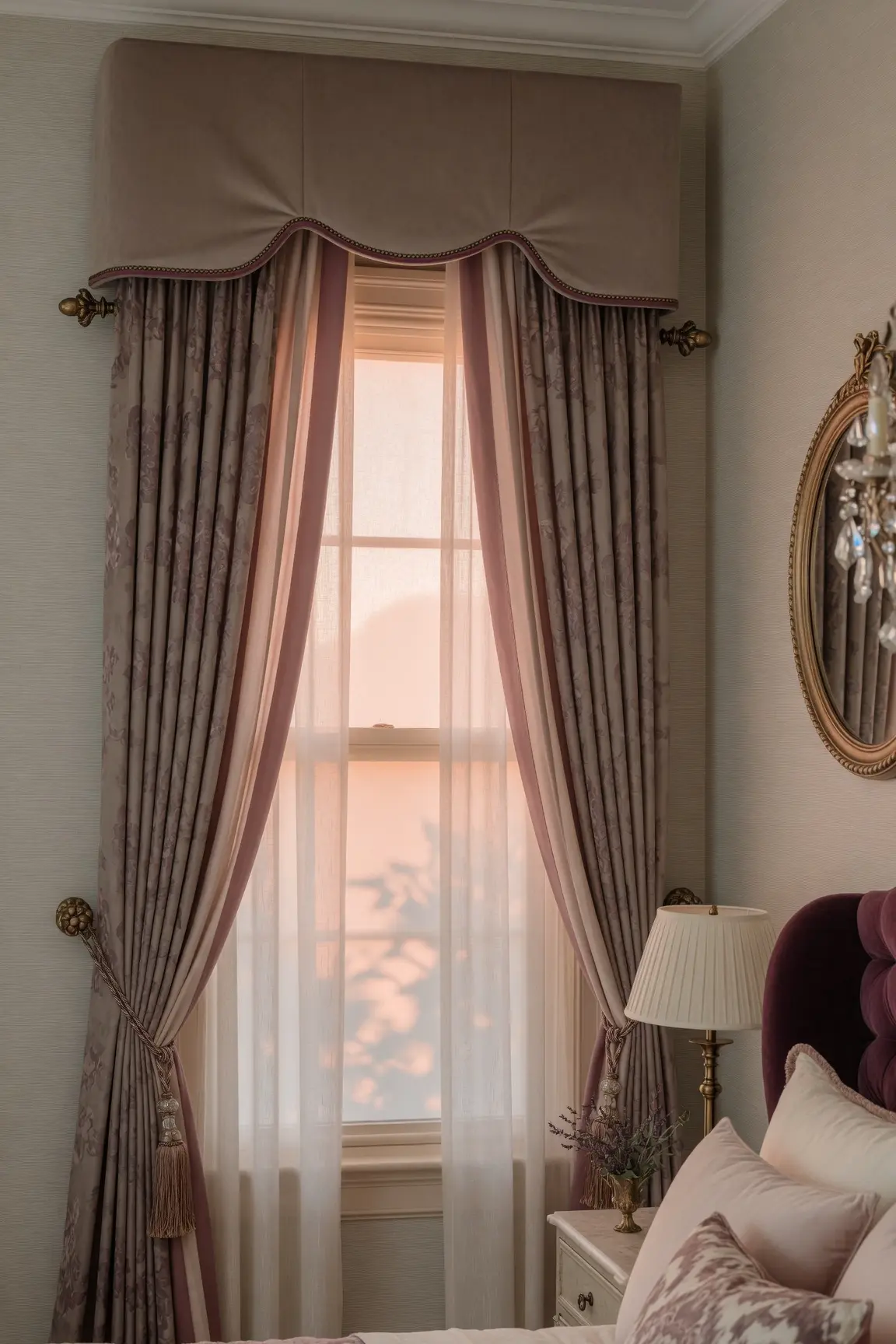
Layering sheer curtains with a blackout panel offers the flexibility a master bedroom often needs, sheers for daytime softness and privacy, blackout panels for uninterrupted sleep. Hanging curtains closer to the ceiling than the window frame, and wider than the window itself, makes windows look taller and adds a sense of scale that suits a larger room.
For anyone particularly sensitive to light, a blackout liner sewn into or clipped behind a decorative curtain panel offers full function without sacrificing the room’s overall look to a purely utilitarian blackout curtain.
9. Budget Ranges for a Master Bedroom Refresh

A full room repaint, walls and trim included, done as a DIY project, typically costs 100 to 200 dollars in paint and supplies for a larger master bedroom. New bedding in a coordinated palette, a duvet cover, pillow shams, and a throw, generally runs 150 to 350 dollars depending on material, with sale and secondhand finds bringing that down.
An area rug sized for a larger room typically runs 200 to 500 dollars depending on material and dimensions. An accent chair and small side table for a dedicated seating zone generally costs 300 to 700 dollars combined, though secondhand pieces can bring that down significantly. A full master bedroom refresh, paint, bedding, a rug, and a seating area, often lands somewhere between 700 and 1,500 dollars total.
10. Small Rituals the Room Can Support

A designated spot for a book and a reading lamp signals that the room supports slowing down, not just sleeping. A small tray for skincare or a nighttime routine, kept simple rather than covered in products, keeps a functional habit from looking like clutter.
Fresh flowers or a well maintained plant add a small, recurring ritual, replacing or trimming them, that ties into the room’s overall sense of care. None of these additions need to be elaborate. The goal is simply giving the room small, repeatable reasons to be used the way it’s meant to be used, rather than just passed through on the way to sleep.
Mistakes to Avoid
- Letting exercise equipment or a home office setup take over the room’s function
- Relying on a single overhead fixture to cover both functional and calming lighting needs
- Choosing furniture scaled too small for the room’s actual size, leaving it feeling sparse
- Skipping a rug or substantial textiles, leaving a larger room feeling cold
- Choosing a bright, high contrast color palette that works against a restful mood
- Filling every inch of available floor space just because the room allows for it
Frequently Asked Questions
How do I stop my master bedroom from becoming a catchall for clutter? Start by removing anything that doesn’t support rest, exercise equipment, office supplies, laundry, and relocating it elsewhere in the home, even if that just means a different closet or a hallway nook.
Does a master bedroom need a seating area? Not strictly, but a small chair or bench adds a second function to the room and tends to make it feel more like a genuine retreat rather than just a place to sleep, especially in a room with the square footage to spare.
What color palette works best for a relaxing master bedroom? Muted, warm neutrals or deep, calming tones like dusty blue or sage tend to support rest better than bright, high contrast colors, which can feel more energizing than relaxing.
How much lighting does a master bedroom actually need? More than most people expect. A functional overhead light, table lamps on both nightstands, and ideally a reading light near any seating area cover the range of needs a master bedroom typically has.
Is it worth investing in a larger area rug for a master bedroom? Yes, generally. A rug extending well beyond the bed adds warmth and helps ground a larger room’s footprint, which matters more in a master bedroom than in a smaller room with less floor space to fill.
Conclusion
An aesthetic master bedroom retreat starts with editing the room back to its actual purpose, then layering in texture, lighting, and a few dedicated zones that support real rest. Remove what doesn’t belong, choose furniture and color that suit the room’s larger scale, and give the space small rituals that make it feel used rather than just passed through. Done well, a master bedroom can become the retreat it was always meant to be, not just the biggest room in the house.