10 Modern Cozy Green Cottage Exterior Ideas Worth Copying
You pull into the driveway after a long day, and the house staring back at you looks exactly like every other beige and white home on the block. Nothing about it says welcome home. That flat, forgettable curb appeal is exactly what a modern cozy green cottage exterior is meant to fix. Green exteriors have become one of the standout choices for homeowners who want a house that feels both current and warm, and cottage style homes specifically have seen real renewed interest, since they blend timeless character with modern comfort in a way that stark white or gray exteriors often can’t match.
1. Choose a Soft, Earthy Sage Green as Your Base Color
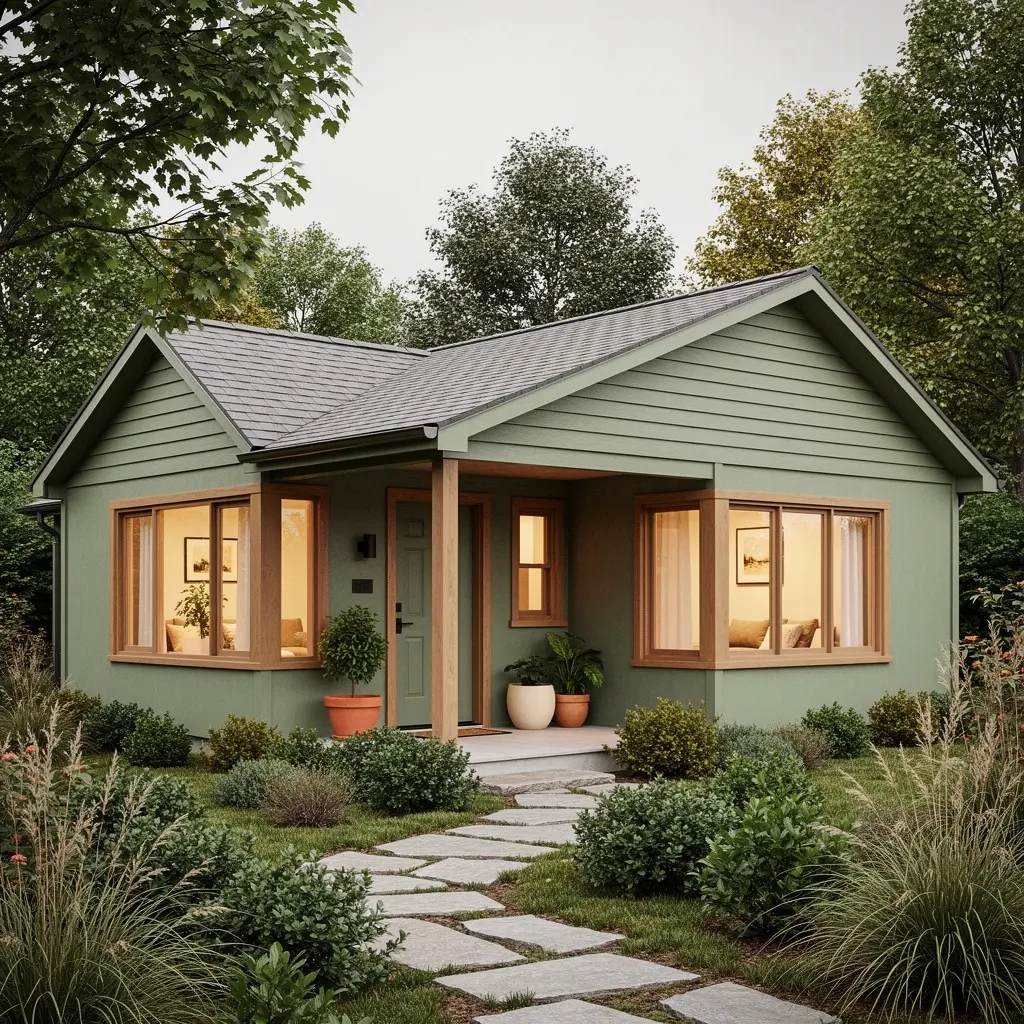
Sage green has become one of the most enduring exterior color choices recently, and it earns that popularity honestly. Its soft, coastal undertone feels welcoming without ever tipping into overpowering, and unlike a bold, saturated green, sage acts almost like a natural neutral, blending easily into surrounding landscaping and stonework. That quality makes it especially well suited to a cottage style home, where the whole point is to feel grounded and connected to its setting rather than making a loud, isolated statement.
Why Sage Works Where Bold Green Doesn’t
A bright or saturated green can feel trendy in a way that dates quickly, while a muted sage reads as closer to a natural material, like moss or eucalyptus, which keeps it feeling relevant far longer. This is part of why designers describe sage and olive tones as acting like neutrals rather than statement colors.
2. Pair Green Siding With Natural Stone Accents

Stone siding or a stone accented entry paired with sage green creates a look that feels peaceful yet architectural, particularly for a home surrounded by greenery or trees. This combination is frequently described as bringing the garden into the facade itself, since the stone echoes natural materials found right outside the home rather than fighting against them.
3. Add a Wide, Covered Front Porch
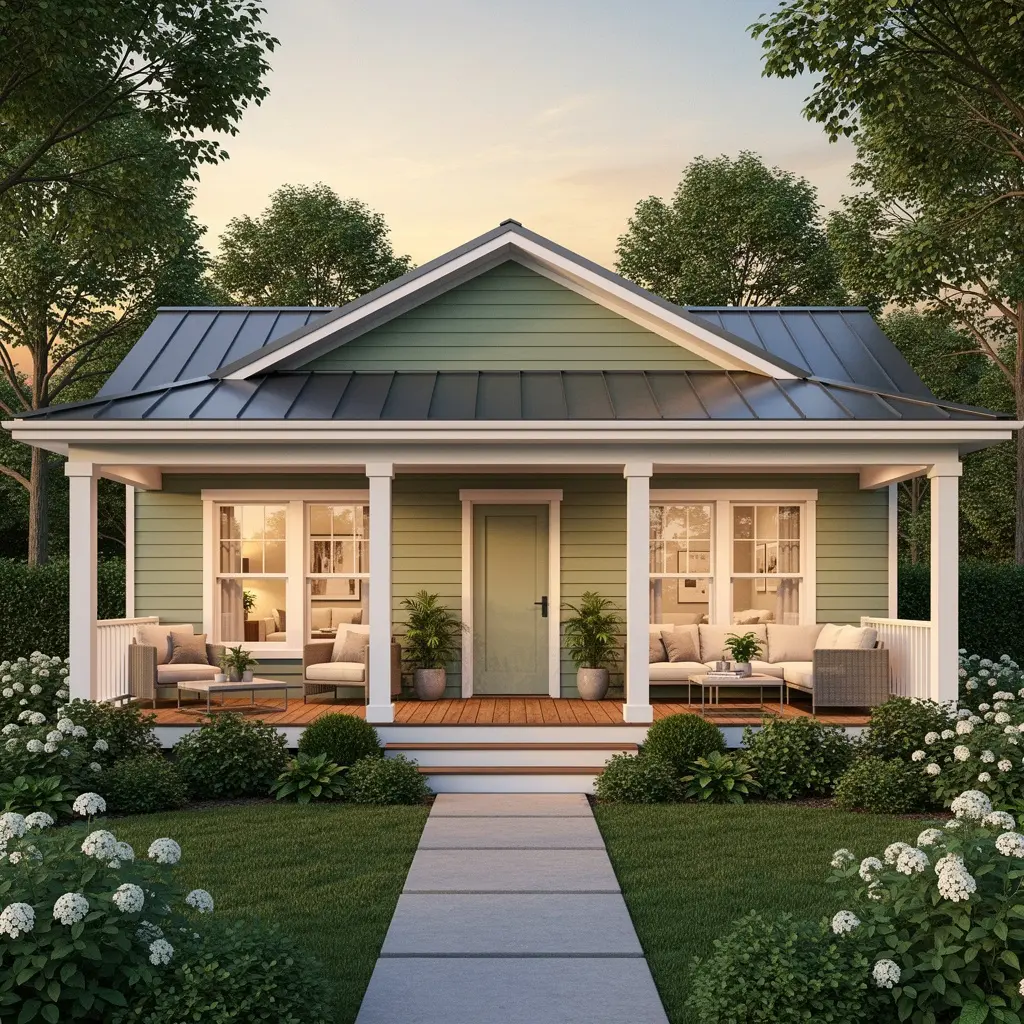
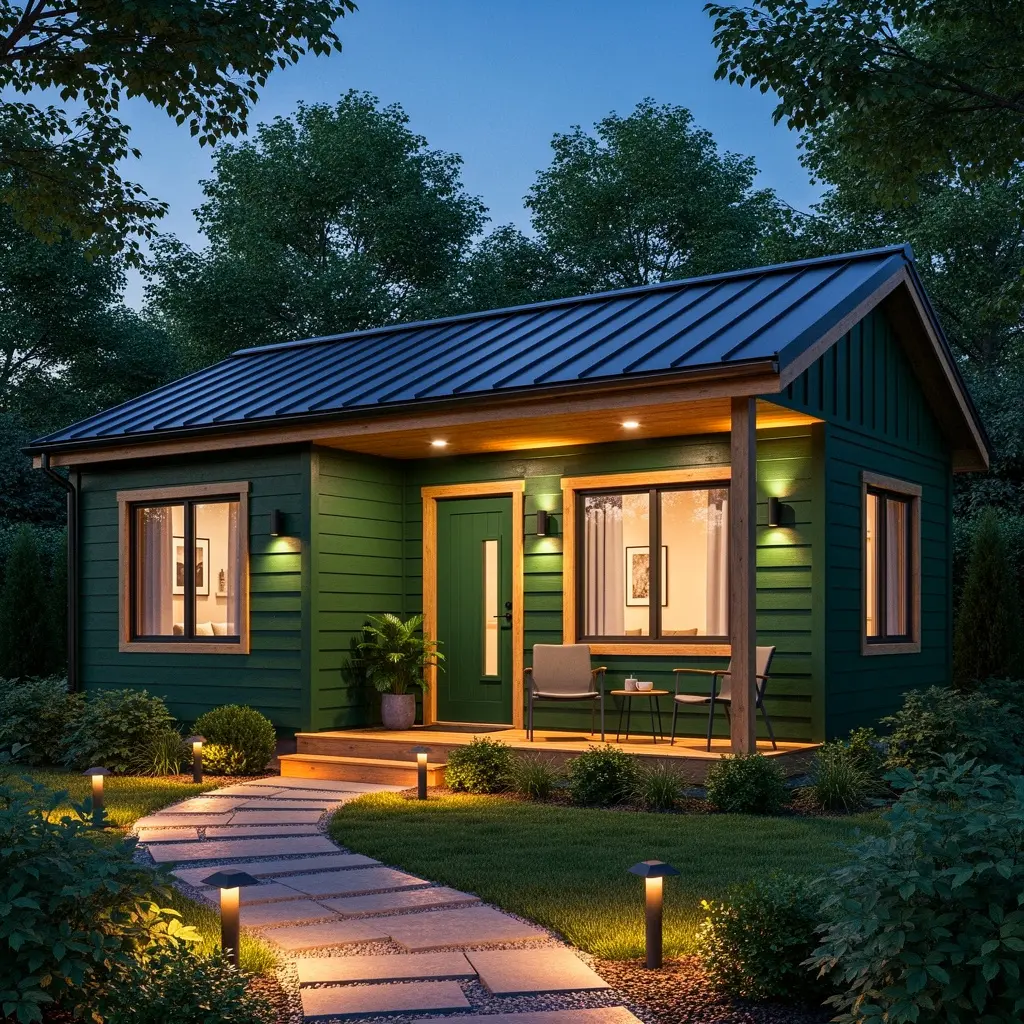
A welcoming front porch is one of the defining features of the cottage style comeback, and it’s not just about looks. A covered porch adds genuine outdoor living space, creates shade and shelter at the entry, and gives the whole exterior a sense of scale and warmth that a bare front door simply can’t achieve on its own. Classic tapered columns or simple wood posts keep the porch feeling grounded rather than overly formal.
4. Use a Metal Gable Roof for Farmhouse Adjacent Charm

A metal gable roof, paired with board and batten siding, is a common combination in current cottage plans, and it adds a crisp, slightly modern edge to an otherwise classic silhouette. The metal roofline also tends to hold up well over time and gives the exterior a bit of shine and definition against the softer, matte green siding below it.
5. Choose Warm White or Cream Trim Over Stark White
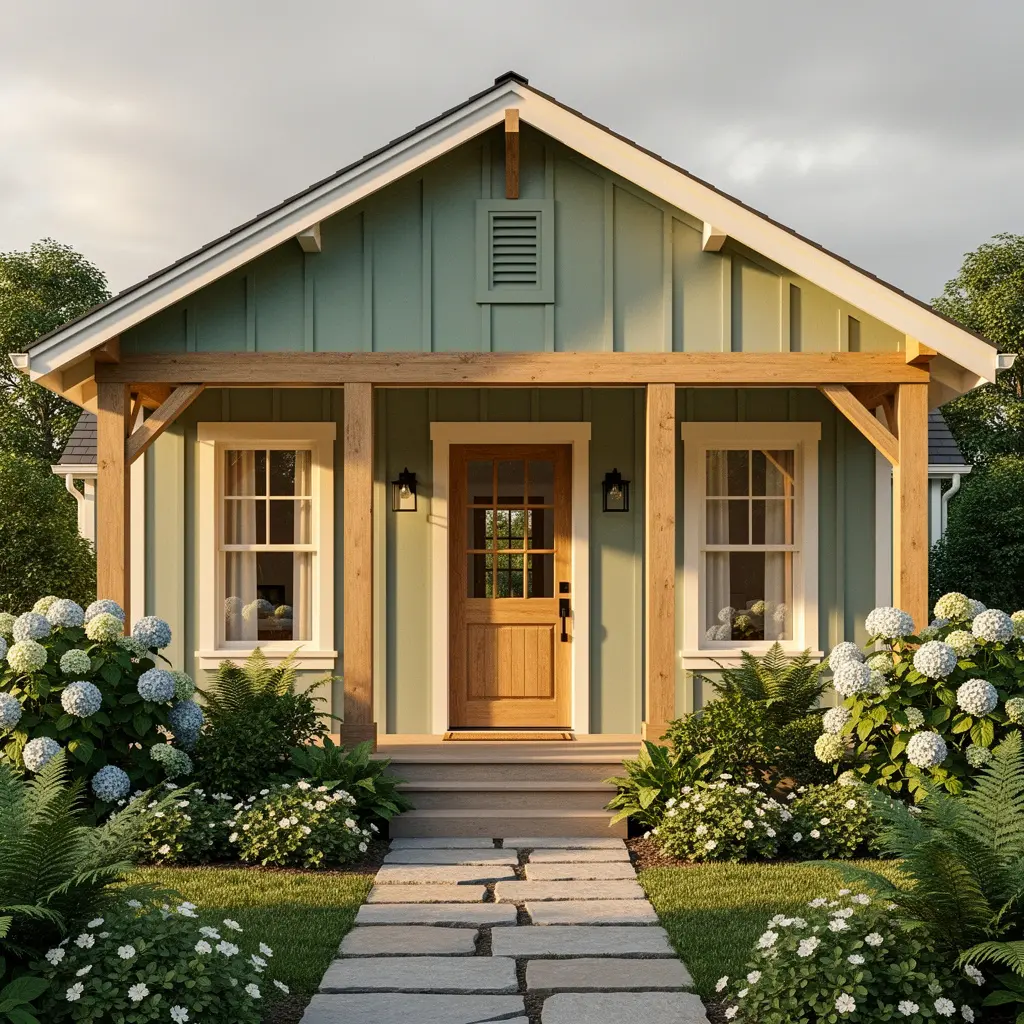
Pairing sage green siding with a warm white or cream trim, rather than a stark, cool white, keeps the whole exterior feeling cohesive rather than contrasted and clinical. Warm trim colors soften the transition between the green siding and any stone or wood accents, and they tend to photograph and read better in both bright daylight and evening light.
6. Add Black or Charcoal Window Frames for Definition
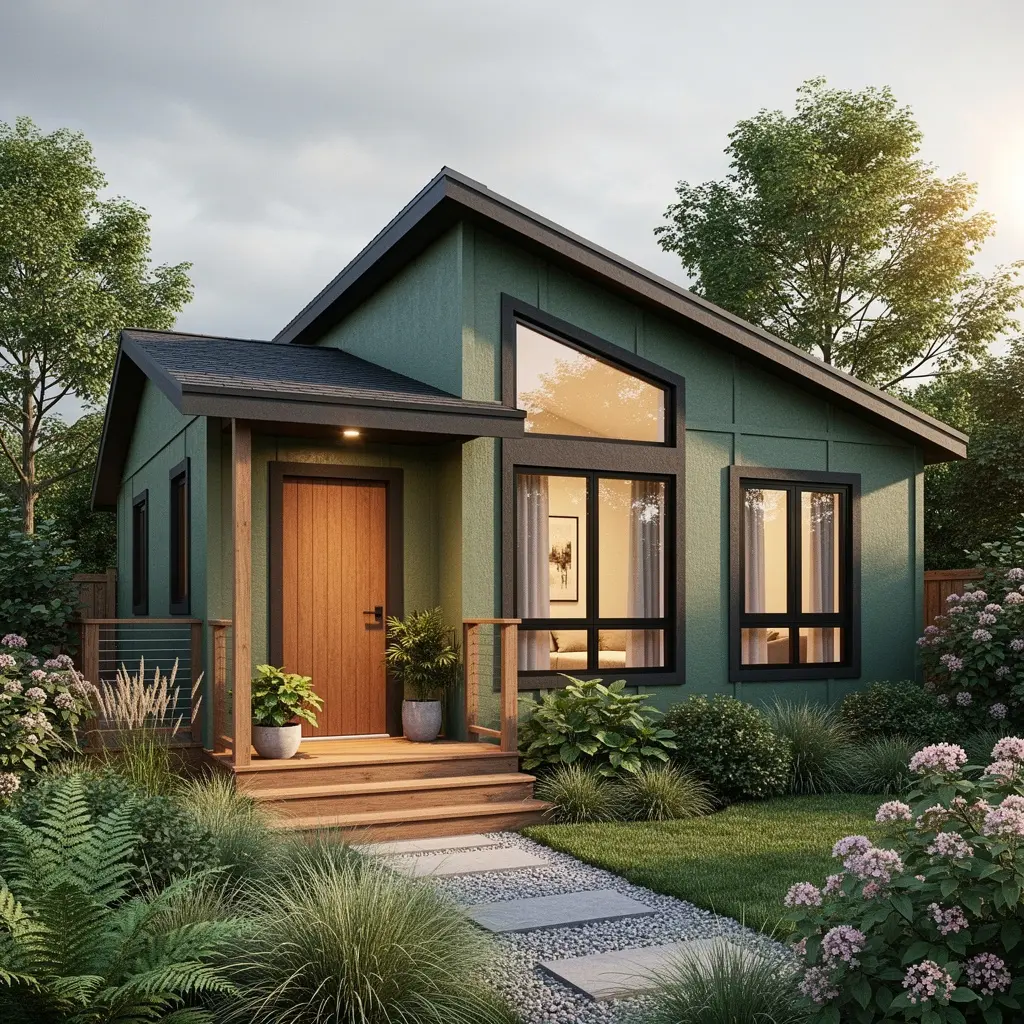
Black or dark charcoal window frames against sage green siding create just enough contrast to define the home’s architecture without disrupting the overall warm, grounded feeling. This combination supports a look some designers describe as lodge inspired, since darker window trim against a natural green backdrop echoes the way wood toned cabins blend dark accents into a forested setting.
7. Bring In Natural Wood at the Entry

A wood front door, wood porch beams, or a simple wood accent above the entry adds warmth and texture that paint alone can’t provide. Natural wood also tends to age well and develop character over time, which fits the broader shift in home design toward authentic, natural materials like wood, stone, and brick over purely manufactured finishes.
Choosing the Right Wood Tone
A medium warm wood tone, rather than something very light or very dark, tends to bridge sage green siding and stone accents most naturally, since it sits visually between the two without competing with either.
8. Layer in Warm Exterior Lighting
Lantern style sconces flanking the front door, or a single statement fixture above the entry, add warmth once the sun goes down and give the whole exterior a welcoming glow in the evening. Warm toned bulbs, rather than a stark white or blue tinted LED, keep the lighting consistent with the cozy, grounded feeling the rest of the exterior is going for.
9. Keep Landscaping Simple and Layered
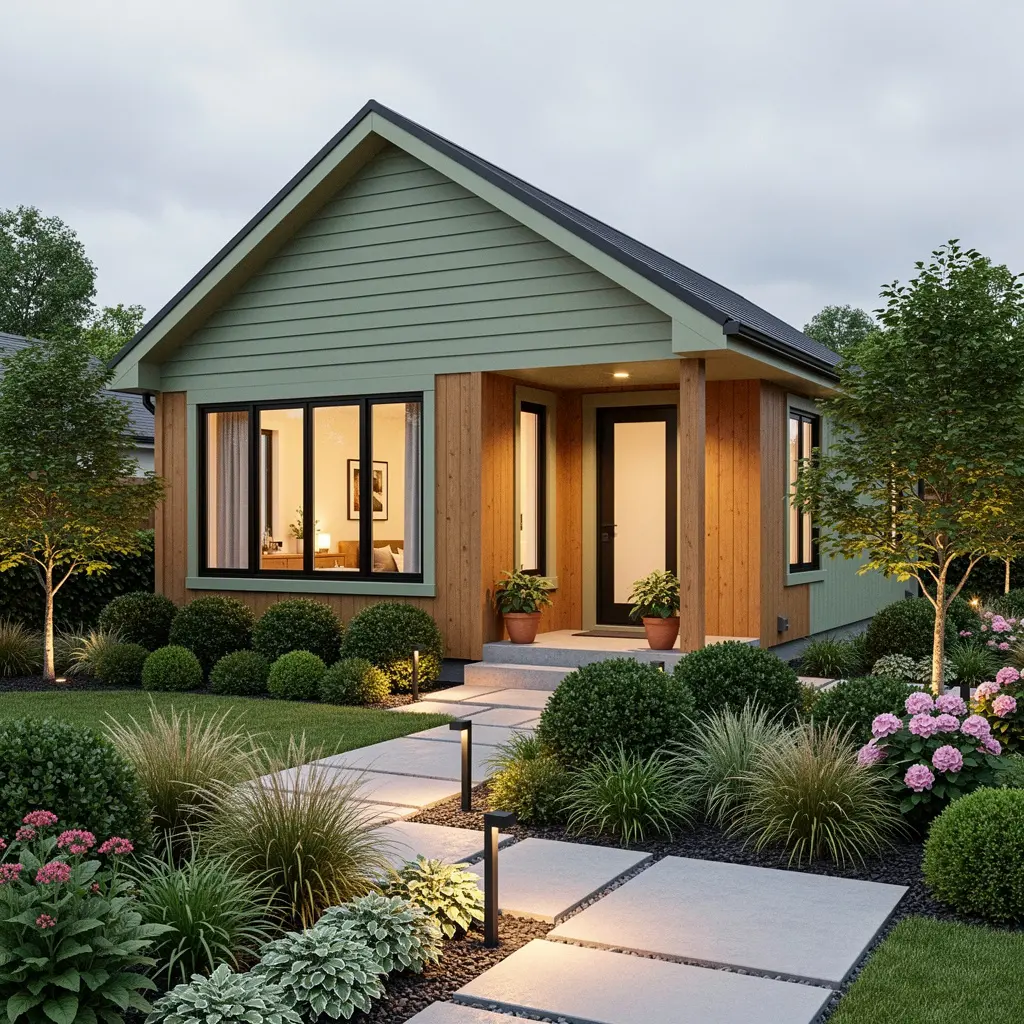
Cottage exteriors tend to pair best with layered, slightly informal landscaping rather than tightly manicured, symmetrical plantings. A mix of shrubs, perennials, and a few taller plants near the entry echoes the relaxed, natural feeling of the sage green siding itself, and it reinforces the sense that the house belongs to its setting rather than sitting apart from it.
10. Keep the Overall Footprint Efficient and Intentional
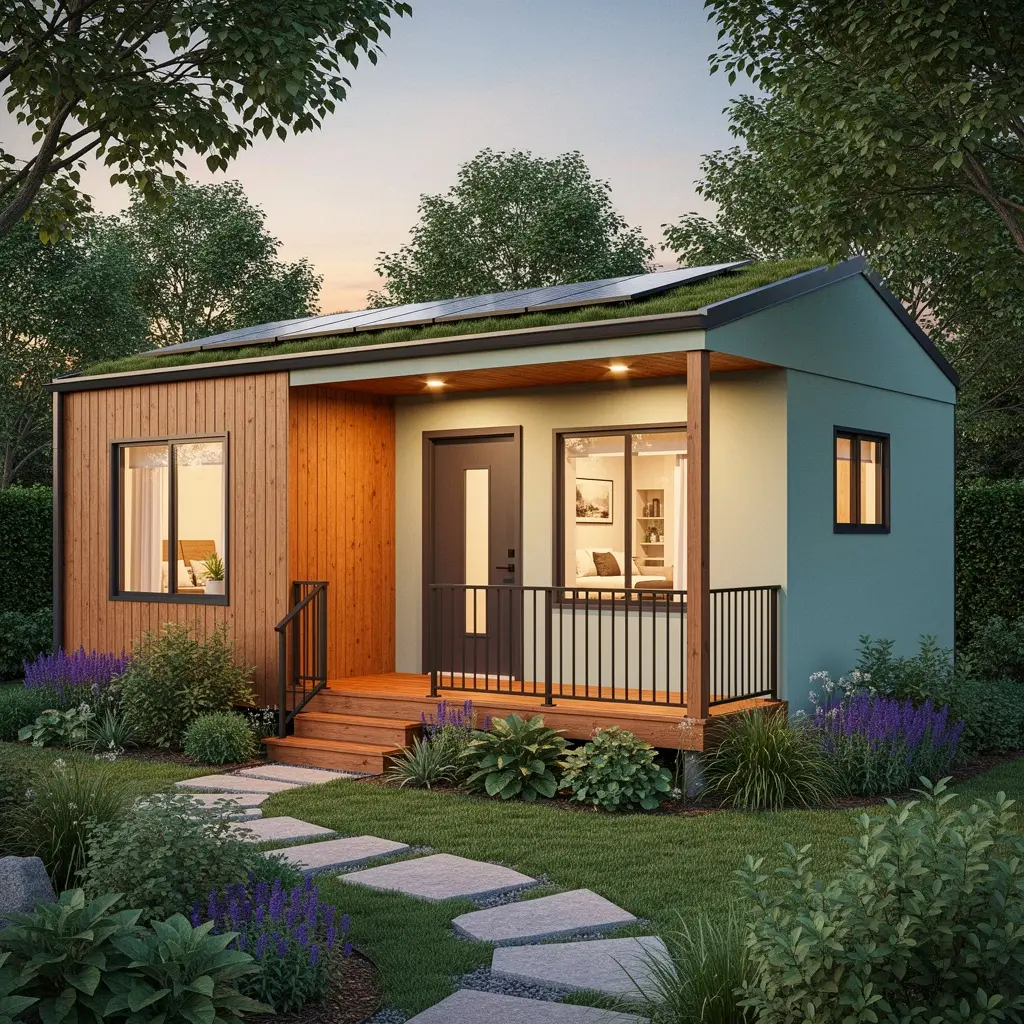
A growing share of home plans are trending smaller and more efficient rather than larger for the sake of size alone, with homeowners prioritizing thoughtful layouts and quality finishes over raw square footage. A modern cozy green cottage exterior fits naturally into this shift, since the style itself has always been more about warmth, character, and a welcoming presence than about scale.
Mistakes to Avoid
- Choosing a bold, saturated green instead of a softer, more muted sage that reads as timeless rather than trendy
- Pairing green siding with stark, cool white trim instead of a warmer cream or off white
- Skipping a covered porch or overhang, which leaves the entry feeling exposed and less welcoming
- Overplanting with tightly manicured, symmetrical landscaping that fights against the cottage style’s relaxed character
- Using cool, blue tinted exterior lighting instead of a warm toned bulb at the entry
- Ignoring material mix and relying on siding alone instead of layering in stone or wood accents
Frequently Asked Questions
Is sage green a good long term choice for an exterior, or will it feel dated soon? Sage green tends to hold up well over time specifically because it reads more like a natural neutral than a bold trend color, which is different from a bright, saturated green that can feel more tied to a specific moment.
What roof style pairs best with a green cottage exterior? A metal gable roof is a common and well liked pairing, since it adds a slightly modern edge and crisp definition against the softer, matte tone of sage green siding.
Does a green exterior work on a small or modest sized home? Yes. Cottage style homes are often on the smaller, more efficient side, and a soft green exterior tends to suit a modest footprint especially well, since the color helps the home feel grounded and intentional rather than overly plain.
What trim color works best with sage green siding? A warm white or cream trim generally works better than a stark, cool white, since it keeps the whole exterior feeling cohesive and avoids a harsh, high contrast look.
Do I need real stone accents, or can a manufactured alternative work? Manufactured stone veneer can achieve a very similar look to natural stone at a lower cost, and it’s a common choice for homeowners who want the layered, natural material look without the expense of full natural stone.
Conclusion
A modern cozy green cottage exterior comes down to balance: a soft, grounded green paired with warm trim, natural materials, and a welcoming entry. None of these choices need to feel extreme or trend driven, which is exactly why this look tends to age so well. Start with the siding color and trim, then layer in stone, wood, and warm lighting at the entry. The result is a home that feels genuinely inviting the moment you pull into the driveway, not just another house on the block.