10 Ultimate Kitchen Organizer Ideas for Every Cabinet
Digging through a cluttered drawer for a can opener, or finding three half used spice jars of the same spice hiding in different cabinets, is the kind of everyday frustration that ultimate kitchen organizer ideas are meant to fix. A genuinely organized kitchen isn’t about buying every matching bin on the market. It’s about building a system that actually matches how you cook and shop, so things stay in order weeks after the initial setup, not just on day one. This guide walks through how to organize the kitchen zone by zone, with systems built to actually last.
1. Start With a Full Kitchen Inventory Before Buying Any Organizers

Before ordering a single bin or drawer divider, take everything out of your cabinets, drawers, and pantry, and sort it into rough categories. Baking supplies, snacks, canned goods, small appliances rarely used. This process, while a little tedious, reveals duplicate items, expired products, and gear you genuinely don’t need, all of which take up space that organizing products can’t fix on their own.
Buying organizers before doing this step often means buying the wrong size or the wrong number of bins, since you’re guessing at your actual storage needs rather than working from a clear picture of what you own. An hour or two of sorting upfront saves a lot of wasted money and mismatched purchases later.
2. Organize the Pantry by Zone, Not Just by Shelf
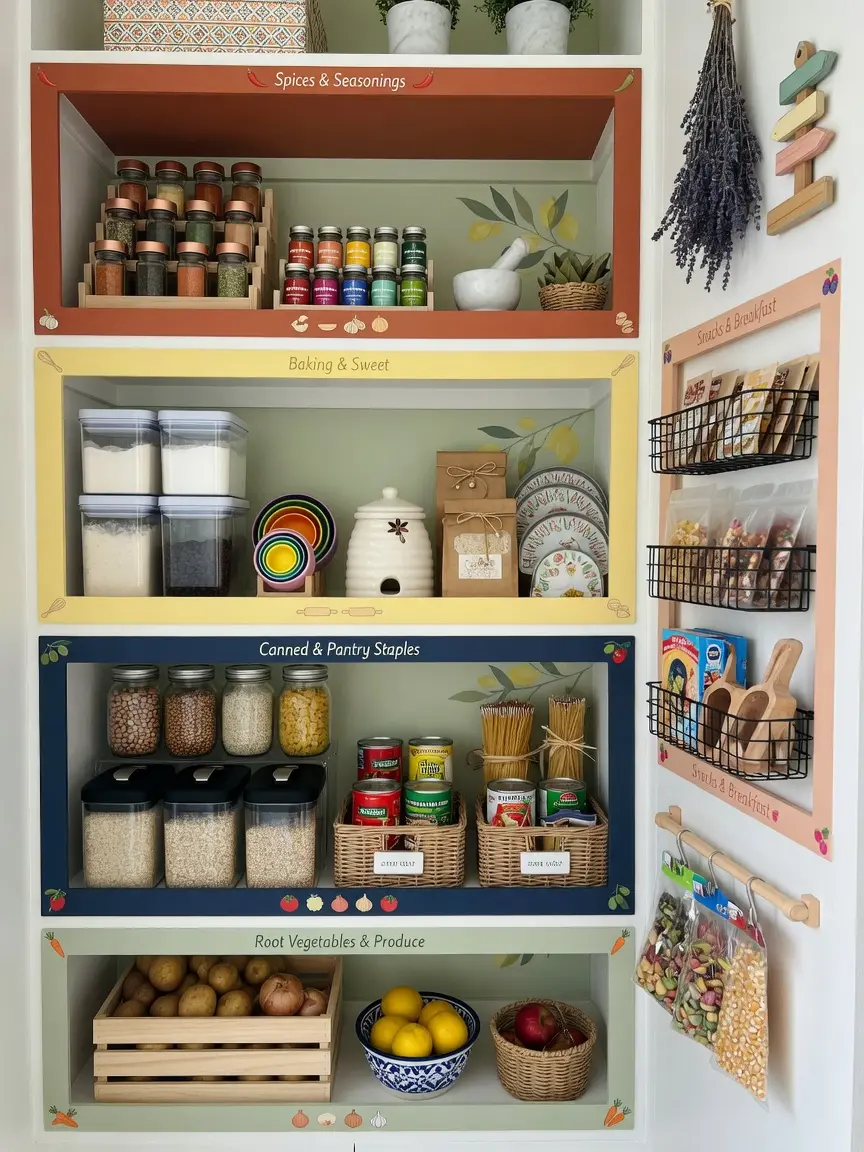
Rather than organizing a pantry purely by shelf height, group items into functional zones. Baking, breakfast, snacks, canned goods, each with a consistent, dedicated section. This mirrors how people actually shop and cook, since you’re rarely grabbing one random item, you’re usually pulling together everything for a specific meal or task at once.
Keep frequently used items, everyday staples like oil, pasta, and cereal, at eye level or within easy reach, while less frequently used items, holiday baking supplies or bulk backups, can go on higher or lower shelves. This zone based approach also makes it much easier to notice when you’re running low on something within a specific category.
A Simple Zone Layout to Start With
Try dividing the pantry into four or five broad zones based on your own cooking habits, rather than a generic template. A household that bakes often needs more dedicated baking zone space than one that mostly cooks savory meals, so the zones should reflect actual usage, not a one size fits all layout.
3. Use Drawer Dividers to Stop the Junk Drawer Spiral

A junk drawer becomes a junk drawer because there’s no defined spot for the small, miscellaneous items that end up there, rubber bands, spare batteries, takeout menus, random keys. A simple tray or drawer divider insert, even a basic adjustable one, gives each category a defined boundary, which makes it much harder for the whole drawer to slide back into chaos.
The goal isn’t to eliminate a junk drawer entirely, since every kitchen tends to have one, but to contain it with dividers so it stays organized clutter rather than an unsorted mess. A drawer divider costs very little compared to the time spent digging through a disorganized one.
4. Add Cabinet Risers to Use Vertical Space You’re Wasting

Most kitchen cabinets have a fair amount of unused vertical space above shorter items, plates, cans, spice jars, that a simple wire or acrylic riser can put to use. A two tier riser inside a spice cabinet, for example, lets you see and reach jars in the back row without having to move everything in front of them first.
This same idea applies to cabinets storing canned goods or smaller dishware, where a riser essentially doubles usable shelf space without requiring any renovation or new cabinetry. It’s one of the more affordable organizing upgrades, and it solves a specific, common frustration, items getting lost or forgotten behind taller ones.
5. Store Lids and Pans With a Vertical Organizer System

Pot lids and baking sheets are some of the most commonly disorganized items in a kitchen, since their flat, awkward shapes don’t stack neatly with anything else. A vertical organizer, either a dedicated rack inside a cabinet or a simple tension rod setup, lets you slot pans and lids in standing up, which makes grabbing the one you need far easier than digging through a stacked pile.
This single change tends to have an outsized impact on how organized a kitchen feels day to day, since bakeware and pot lids are used constantly and were often previously one of the most chaotic parts of the whole kitchen.
6. Label Everything So the System Survives Daily Use

An organizing system only works long term if everyone using the kitchen actually knows where things go back to, and labels remove the guesswork. Simple labels on pantry bins, spice jars, and even drawer dividers make it much easier for the whole household, including kids or guests, to put things back correctly rather than wherever seems convenient in the moment.
A label maker gives the cleanest, most consistent look, but handwritten labels on simple removable tags work just as functionally if budget or time is a concern. The label itself matters less than the consistency of having one, since an unlabeled system tends to slowly drift back toward its original chaos within a few weeks.
7. Rethink Under the Sink Storage With Tiered Organizers

The area under the kitchen sink is often one of the most awkward and underused storage spots, thanks to plumbing pipes cutting through the middle of the space. A tiered, adjustable organizer built to work around pipes, or a simple pull out caddy, makes this space considerably more usable for cleaning supplies and extra kitchen linens.
Grouping cleaning supplies by type, dish soap and sponges in one section, all purpose cleaners in another, within this space follows the same zone logic as the pantry, making it easier to find what you need without pulling everything out onto the floor first.
8. Use Clear Containers to Keep Track of What You Actually Have

Transferring pantry staples, flour, sugar, rice, pasta, into clear, airtight containers does two things at once. It keeps food fresher for longer, and it makes it immediately obvious when you’re running low on something, which is much harder to tell through an opaque bag or box. This small shift also tends to make a pantry look noticeably more organized without much additional effort.
A uniform container shape and size, even if the containers themselves are budget options rather than a specific matching brand, creates a cohesive look that makes the whole pantry feel more intentional. Stackable, uniform containers also use vertical space more efficiently than the mismatched boxes and bags they typically replace.
9. Create a Dedicated Spot for Small Appliances and Accessories

Small appliances, a stand mixer, a food processor, a waffle maker, tend to be some of the biggest space consumers in a kitchen, and they’re often used inconsistently enough that they end up shoved wherever there’s room. Designating a specific cabinet or shelf, ideally lower and toward the back for rarely used items, keeps these bulkier pieces from taking over prime counter or cabinet space meant for everyday items.
For appliances used daily, like a coffee maker or toaster, keeping them on the counter near an outlet is more practical than storing and retrieving them constantly. The goal is matching storage location to actual frequency of use, not treating every appliance the same way regardless of how often it’s touched.
10. Build in a Weekly Reset Habit to Maintain the System

Even a genuinely well designed kitchen organization system slowly slides back into disorder without some regular maintenance. A short weekly reset, ten to fifteen minutes spent returning stray items to their labeled spots and doing a quick pantry check for anything expired or running low, keeps the whole system functioning the way it was designed to.
The most beautifully organized kitchen still needs everyone using it to actually put things back consistently, and a regular reset habit is what catches small drifts before they turn into a fully disorganized kitchen again. This is the step that separates a kitchen that stays organized for months from one that looks great for a week and then quietly falls apart.
Mistakes to Avoid
- Buying organizers before doing a full inventory of what actually needs storing
- Organizing purely by shelf height instead of by functional zone
- Skipping labels, which makes the system harder for the whole household to maintain
- Ignoring vertical space in cabinets that could hold a simple riser
- Storing frequently used small appliances in hard to reach spots
- Setting up the system once and never doing a regular reset
Frequently Asked Questions
What’s the first step in organizing a cluttered kitchen? Start with a full inventory, removing everything from cabinets, drawers, and the pantry and sorting it into categories before buying any organizing products. This reveals duplicates and unused items and gives you a realistic sense of how much storage you actually need.
Are matching containers necessary for a well organized pantry? No, matching containers create a more cohesive look, but uniform shape and size matters more for actual function, like efficient stacking and easy visibility, than having a specific matching brand. Budget containers in a consistent size work just as well functionally as a more expensive matching set.
How do I stop my junk drawer from becoming chaotic again? Adding a simple drawer divider or tray creates defined sections for different small item categories, which makes it much harder for everything to blend back into one disorganized pile. A quick weekly reset also helps catch small messes before they spread.
What should go in the pantry versus a kitchen cabinet? Shelf stable dry goods, canned items, and snacks typically belong in the pantry, while cookware, dishware, and small appliances are usually better suited to kitchen cabinets closer to where they’re actually used. The specific split often depends on available space in each area.
How often should I redo my kitchen organization system? A full reorganization usually isn’t necessary more than once or twice a year, but a quick weekly reset and a seasonal deeper check, especially for pantry expiration dates, keeps the system functioning without needing to start over from scratch regularly.
Conclusion
The ultimate kitchen organizer setup isn’t really about buying the most bins or the trendiest labels, it’s about building zones that match how you actually cook and shop, then maintaining that system with small, regular check ins. Start with an honest inventory, tackle the areas causing the most daily frustration first, whether that’s the pantry, the junk drawer, or under the sink, and build in a simple weekly reset habit. Done right, this kind of system keeps working long after the initial organizing weekend is over.