10 Easy DIY Home Decor Ideas Anyone Can Actually Do
Wanting a home that feels refreshed without spending a big budget on new furniture or hiring someone for every small project is a common starting point, and it’s exactly what easy DIY home decor ideas are meant to address. A lot of the most noticeable home updates don’t require power tools or advanced skills, just a free weekend afternoon and a clear plan. This guide covers ten genuinely beginner friendly projects, along with a few that are worth skipping until you’ve got more experience.
1. Start With a Small, Low Risk Project to Build Confidence
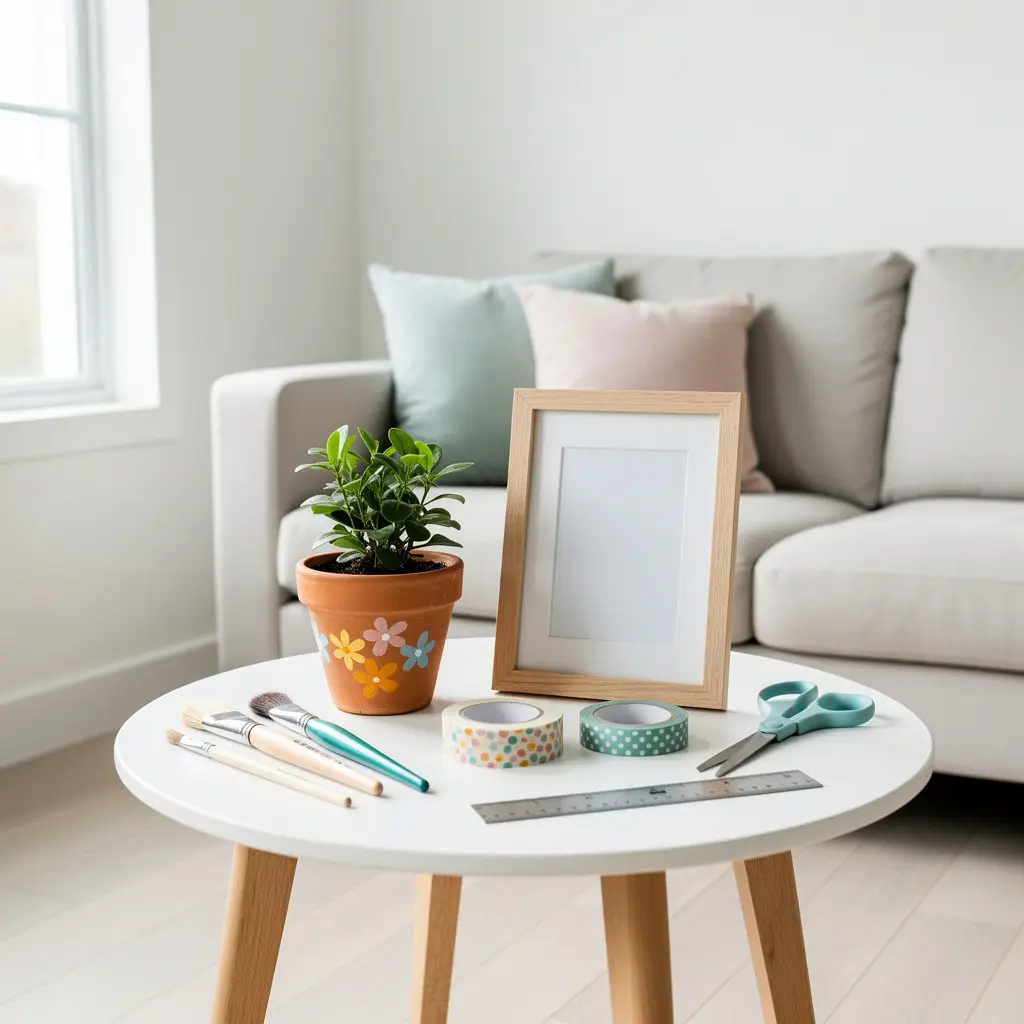
If you’re new to DIY decor, it’s worth starting with something small and reversible before tackling anything with a bigger cost or commitment. Swapping a lampshade, rearranging a gallery wall, or repainting a single small object are all low risk ways to build confidence and get a feel for whether you enjoy this kind of project before investing in bigger tools or materials.
A string of small wins early on tends to make people far more likely to keep tackling DIY projects, compared to jumping straight into something ambitious that doesn’t go as planned. There’s no real downside to starting smaller than you think you need to.
2. Refresh Cabinet or Furniture Hardware for an Instant Update
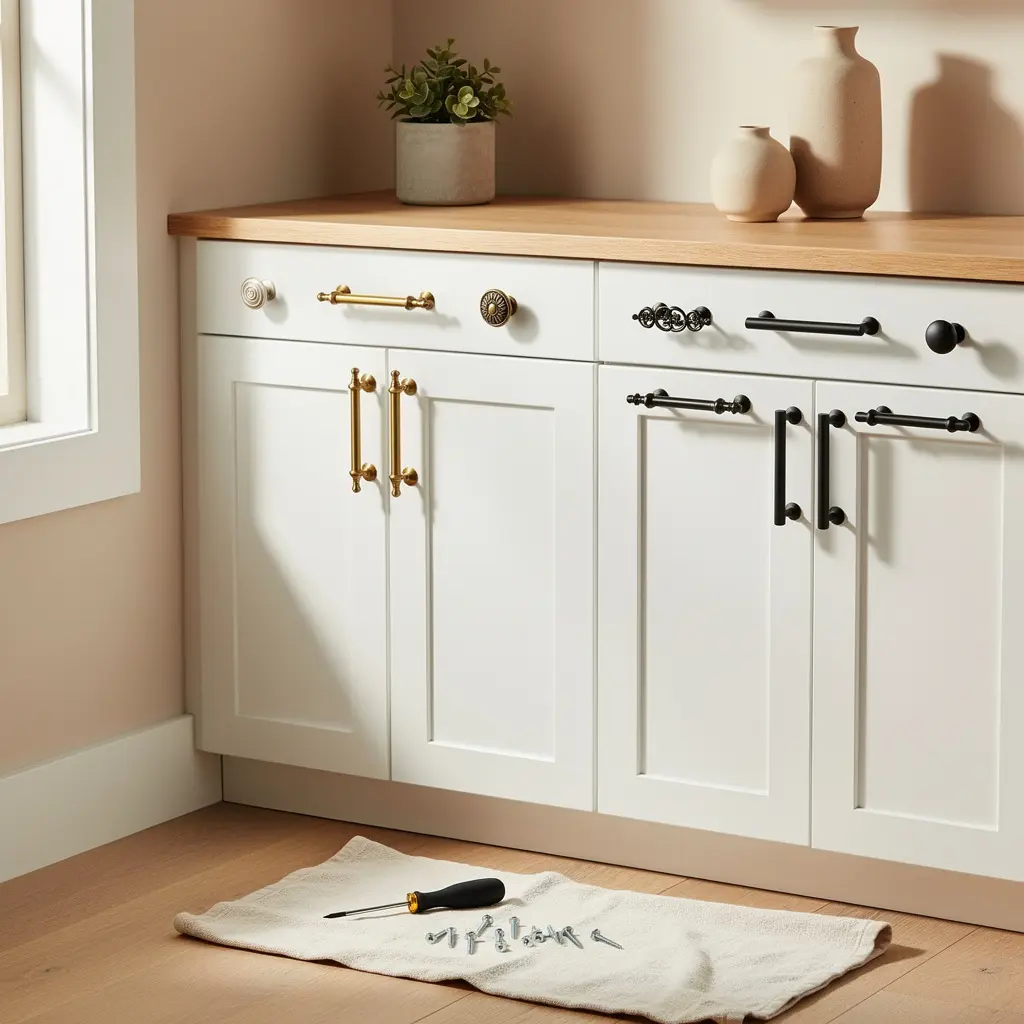
Swapping dated cabinet knobs or drawer pulls for new hardware is one of the highest impact, lowest effort updates in this whole list, and it typically only requires a screwdriver. New hardware, in a warm brass, matte black, or brushed nickel finish, can make an entire kitchen or dresser feel updated without touching the actual cabinetry or furniture itself.
Before buying new hardware, measure the distance between the existing screw holes, called the hole spacing, to make sure the new pulls will actually line up with the pre drilled holes. This small step avoids the extra work of drilling new holes or patching old ones.
3. Paint an Accent Wall Without Committing to a Full Room
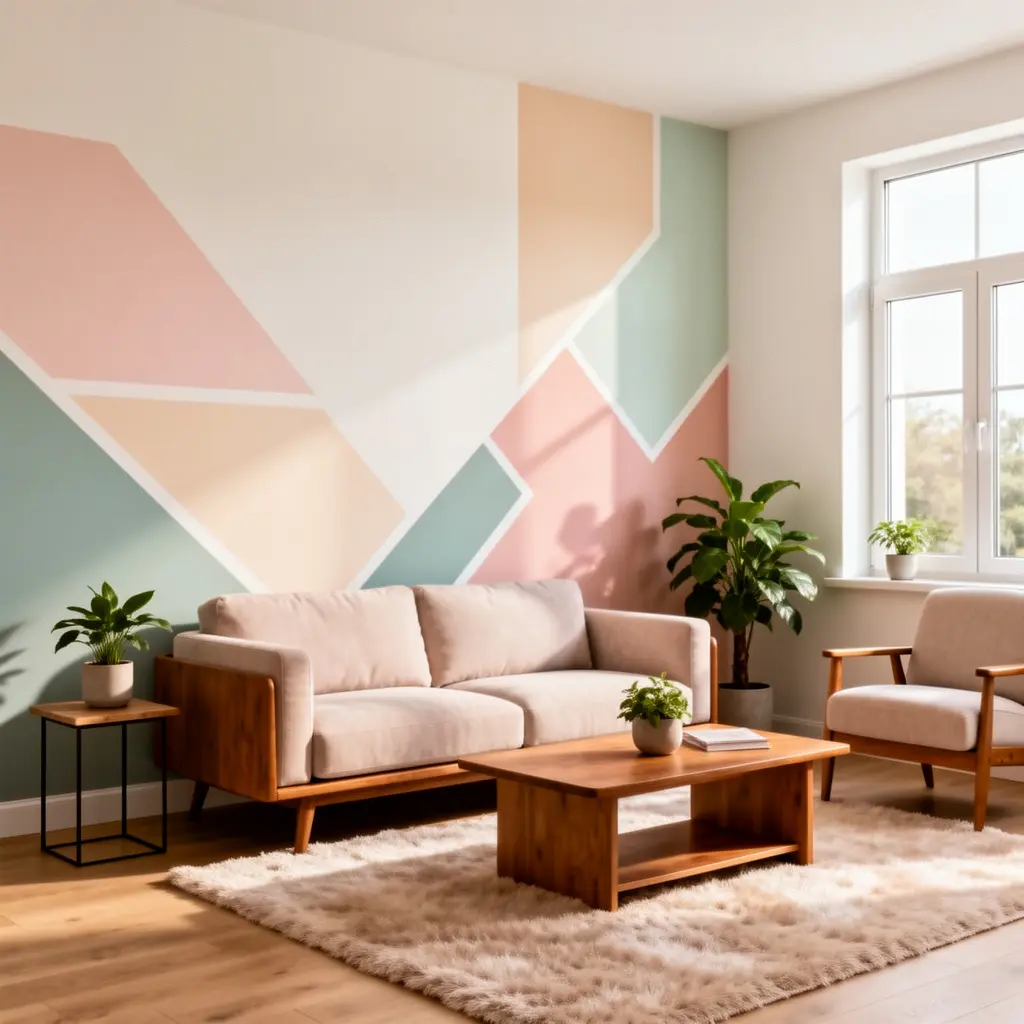
A full room repaint is a bigger commitment, but a single accent wall is a much more approachable entry point into DIY painting, both in terms of time and the amount of paint needed. One wall, ideally the one that naturally draws the eye first when you walk into the room, can shift the whole space’s mood without the cost or time of painting every wall.
A sample size of paint, tested directly on the wall in a few different spots and viewed at different times of day, is worth the extra step before committing to a full gallon. Paint color can look noticeably different under morning light versus evening lamp light, and this simple test avoids an expensive mismatch.
Basic Supplies for a First Paint Project
A roller, an angled brush for edges, painter’s tape, and a drop cloth cover most of what’s needed for a straightforward wall. Taking the time to tape off trim and edges carefully before starting makes a much bigger difference in the finished look than any specific painting technique.
4. Frame and Hang Art to Instantly Elevate a Bare Wall

A bare wall is one of the fastest things to fix with genuinely minimal effort. Even inexpensive prints, in a consistent frame style or color, can make a wall feel intentional rather than unfinished. Printable digital art, available from a wide range of independent sellers, is an especially affordable option since you’re only paying for a design file to print at home or at a local shop.
For hanging height, a general rule is to center the art roughly 57 to 60 inches from the floor to the middle of the piece, which approximates average eye level. This single guideline solves one of the most common mistakes in DIY wall decor, hanging art too high.
5. Make No Sew Pillow Covers From Fabric Remnants
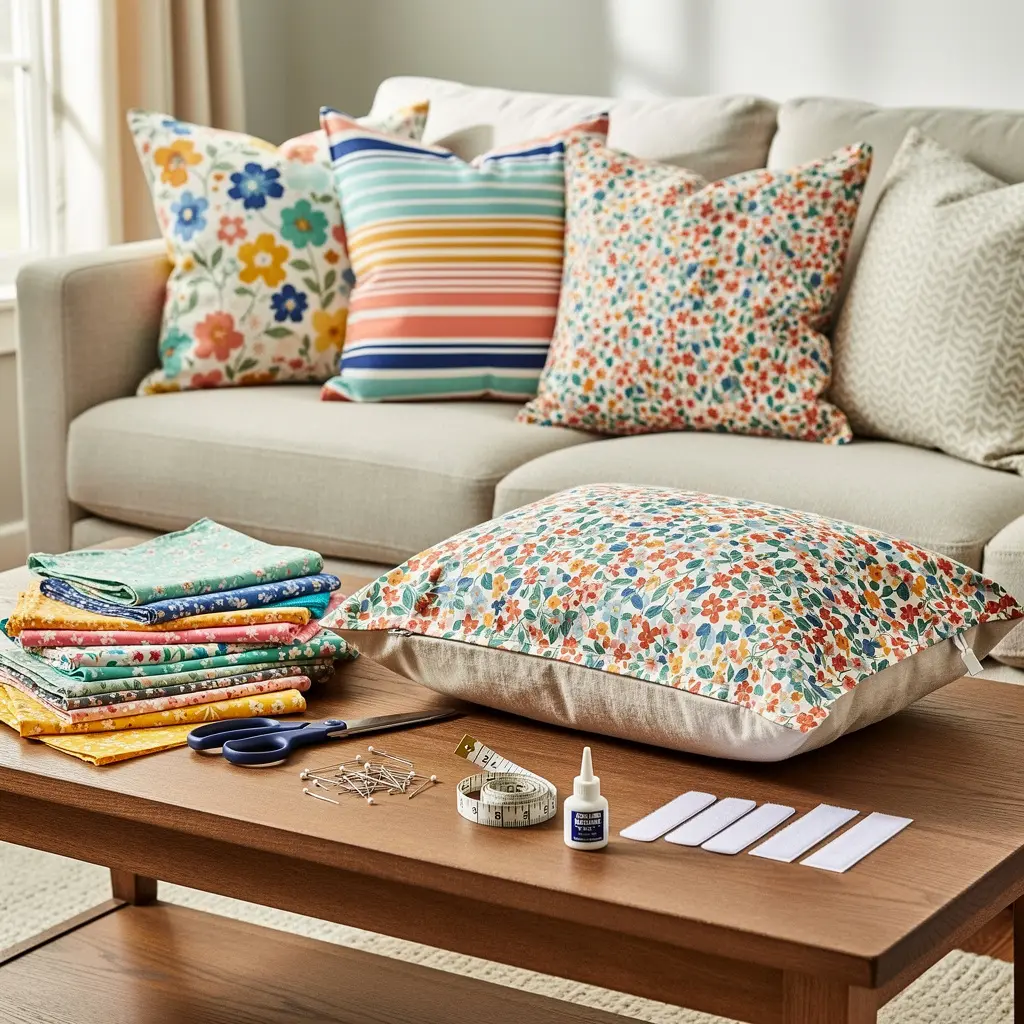
Updating throw pillows is one of the fastest ways to change a room’s color story, and a no sew pillow cover, using fabric glue or an iron on hem tape instead of stitching, is genuinely approachable for anyone without sewing experience or a machine. A yard or two of fabric can typically cover two to three standard pillow inserts, making this a relatively low cost project as well.
Fabric remnant bins at craft stores are worth checking specifically for this kind of project, since they’re often discounted and the smaller cuts are usually more than enough for a pillow cover. This is also a good project for practicing pattern mixing on a small, low stakes scale before committing to larger fabric choices elsewhere in a room.
6. Update Light Switch Plates and Outlet Covers
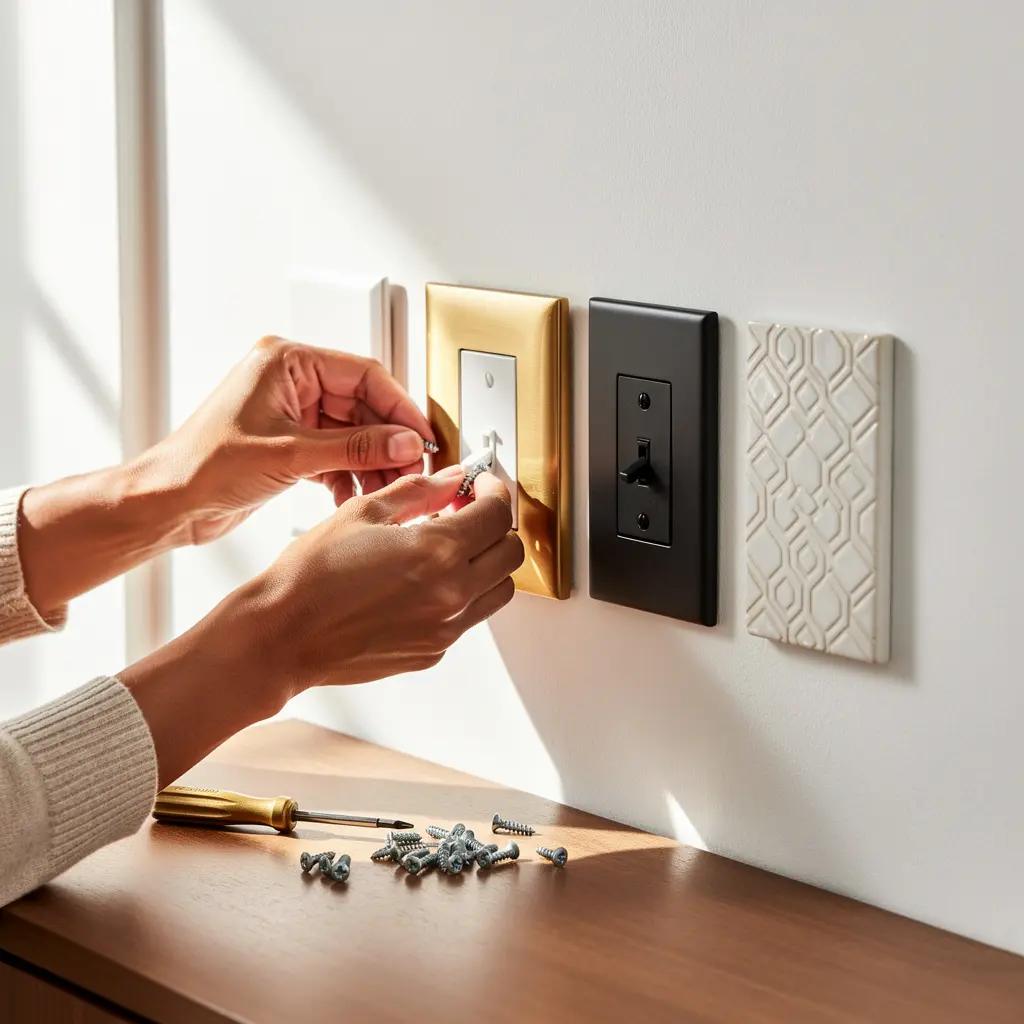
Switch plates and outlet covers are small, often overlooked details, but replacing dated plastic ones with a more current finish, matte black, brushed brass, or a simple painted wood option, adds a surprising amount of polish to a room for very little cost or effort. This project involves turning off power at the breaker, unscrewing the old plate, and screwing on the new one, which usually takes only a few minutes per outlet.
This is a good project to pair with a hardware or paint update, since switch plates are easy to overlook individually but noticeable once every other detail in a room has been refreshed except for them.
7. Build a Simple Floating Shelf From a Basic Kit
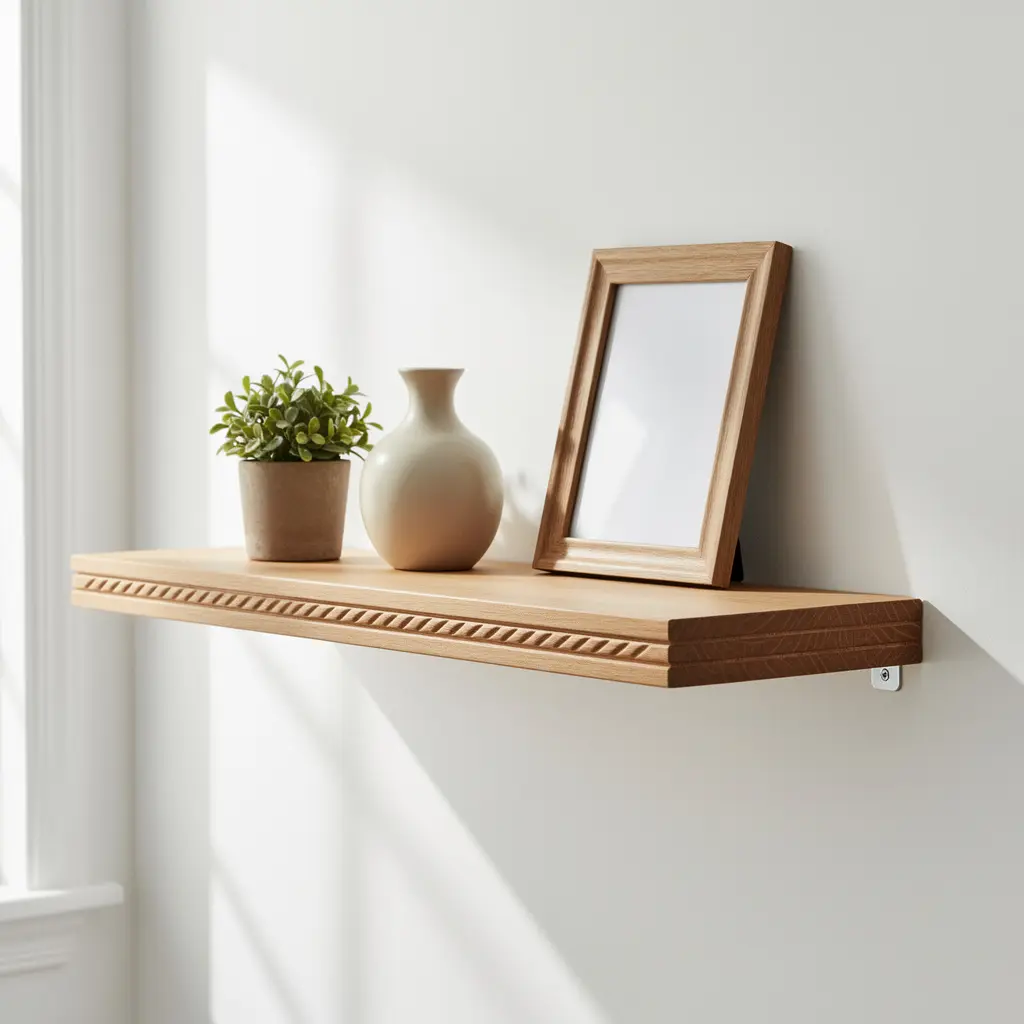
Pre made floating shelf kits, which include the shelf itself along with a hidden mounting bracket, are a good entry point into basic wall mounted projects without requiring advanced carpentry skills. Most kits need only a stud finder, a drill, and a level, and the resulting shelf adds both storage and a design element to a previously bare stretch of wall.
Finding a wall stud to anchor into, rather than relying purely on drywall anchors, matters a lot for a shelf’s long term stability, especially if you’re planning to display anything with real weight, like books or ceramics. A stud finder is an inexpensive tool worth having on hand for this and other future wall mounted projects.
8. Refresh an Old Piece of Furniture With Paint or Stain

A dated or worn piece of furniture, a dresser, a side table, an old wood chair, can often be transformed with paint or a new stain rather than replaced entirely. This project takes more time than most others on this list, since it usually involves light sanding, a coat of primer, and at least two coats of paint or stain, but it’s still very approachable for a genuine beginner with a free weekend.
Start with a smaller piece, a side table rather than a full dresser, for a first furniture refresh project. This keeps the time commitment and any mistakes more manageable while you get a feel for the process before tackling something larger.
9. Add Removable Wallpaper for Renter Friendly Impact
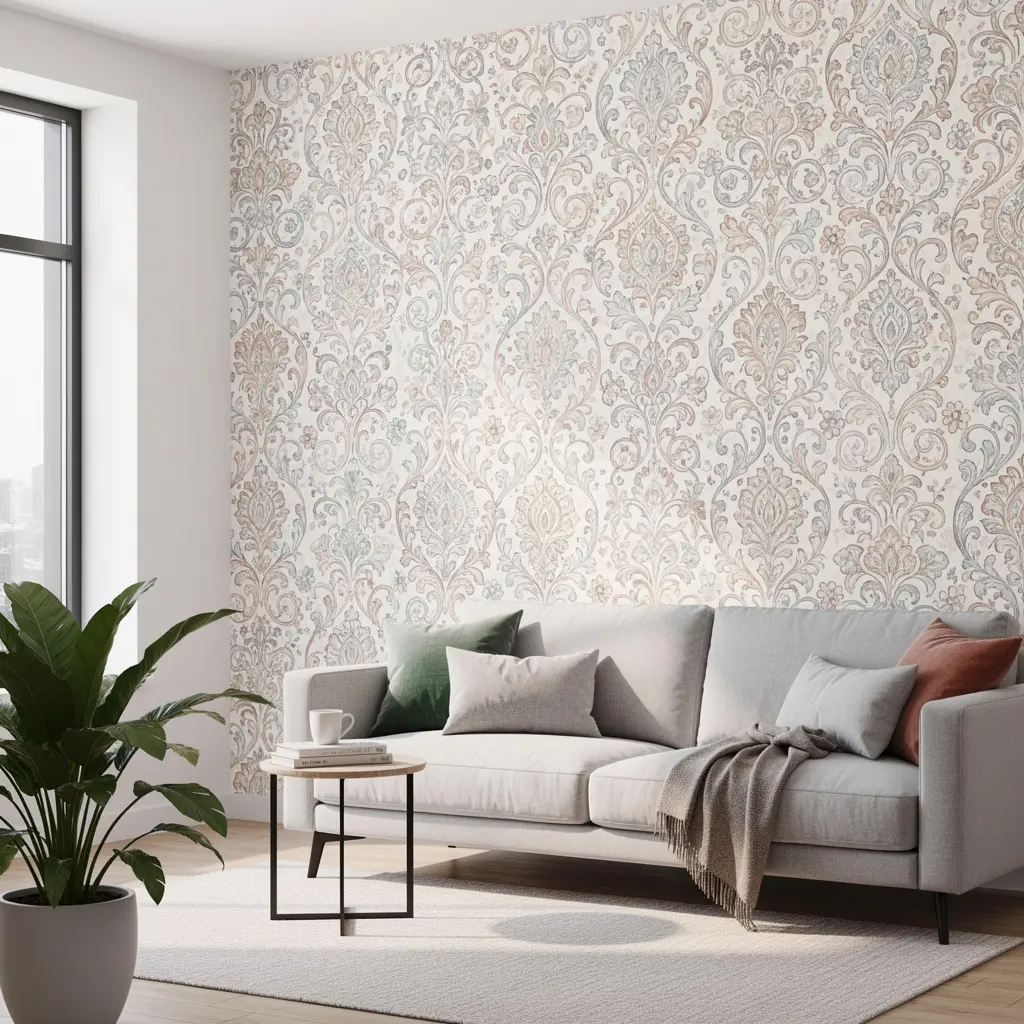
Removable, peel and stick wallpaper has improved significantly in recent years, both in design variety and how cleanly it comes off walls when it’s time to move. This makes it one of the more renter friendly ways to bring in real pattern and color, whether on a full wall, inside a bookshelf’s back panel, or on the risers of a staircase.
Prepping the wall properly, cleaning it thoroughly and making sure it’s completely dry before applying the wallpaper, matters more for a smooth, lasting finish than most people expect going in. Skipping this step is one of the more common reasons a removable wallpaper project doesn’t hold up as well as hoped.
10. Know Which Projects Are Worth Skipping as a Beginner
Not every home decor project is a good fit for a true DIY beginner, and it’s worth being honest about that before diving in. Anything involving electrical wiring beyond a simple fixture swap, structural changes like removing a wall, or major plumbing work should generally go to a licensed professional rather than being attempted as a first project.
Recognizing the line between a genuinely approachable weekend project and one that requires professional skills isn’t a failure, it’s actually what keeps a home DIY hobby fun and safe rather than turning into an expensive mistake. Starting with the smaller, lower risk projects on this list is the more realistic path to eventually feeling confident enough to tackle bigger updates down the road.
Mistakes to Avoid
- Jumping into a big, expensive project before trying a few smaller ones first
- Skipping a paint sample test and committing to a full gallon based on a swatch alone
- Hanging art too high instead of centering it at roughly eye level
- Mounting a floating shelf into drywall alone instead of finding a stud
- Applying removable wallpaper to a wall that hasn’t been properly cleaned and dried
- Attempting electrical or structural work beyond a simple fixture swap without a professional
Frequently Asked Questions
What DIY home decor project has the biggest impact for the least effort? Swapping cabinet or furniture hardware is generally considered one of the highest impact, lowest effort projects, since it only requires a screwdriver and can visually transform a whole kitchen or dresser in an afternoon. Updating light switch plates is a similar small, low cost win.
Do I need special tools to start with DIY home decor? Not for most beginner projects. A screwdriver, a basic paint roller and brush, painter’s tape, and a stud finder cover the majority of the projects in this list. More advanced projects, like furniture building from scratch, do require additional tools.
Is removable wallpaper actually removable without damaging walls? When applied to a properly prepped, clean, and dry wall, most quality removable wallpaper comes off cleanly without damaging paint or drywall underneath, though results can vary slightly by wall texture and paint type. Testing a small section first is a good precaution for a rental.
How do I know if a project is too advanced for a beginner? As a general guide, anything involving new electrical wiring, structural changes, or major plumbing work should go to a licensed professional rather than a first DIY attempt. Cosmetic projects, paint, hardware, art, and shelving kits are typically safe starting points.
What’s a good first DIY project for someone with zero experience? Swapping hardware or updating switch plates are both excellent starting points, since they’re quick, low cost, reversible, and only require a screwdriver. These build confidence and familiarity before moving on to something like painting or a shelf installation.
Conclusion
Easy DIY home decor ideas prove that a home doesn’t need a big budget or advanced skills to feel genuinely refreshed. Starting small, a hardware swap, a single accent wall, a few framed prints, builds both confidence and momentum for bigger projects down the road. Know which updates are safe to tackle yourself and which are worth handing to a professional, and a weekend or two of effort can noticeably change how a home feels without an expensive renovation.