10 Modern Sage Green Kitchen Decor Ideas with an Elegant Dining Space
Your kitchen and dining area technically connect, but they don’t feel connected. One side looks updated, the other feels like an afterthought, and the whole space reads disjointed instead of elegant. Modern sage green kitchen decor ideas solve this by giving both areas one shared color story, so the eye moves smoothly from the counters to the dining table instead of stopping at an invisible line.
Sage works well as that connector because it’s calm enough to use on cabinets without overwhelming a cooking space, and warm enough to carry into a dining area through smaller touches like chairs or art. The ten ideas below build that connection piece by piece, starting at the counters and ending at the dining table.
1. Choose Sage Green for Lower Cabinets Only
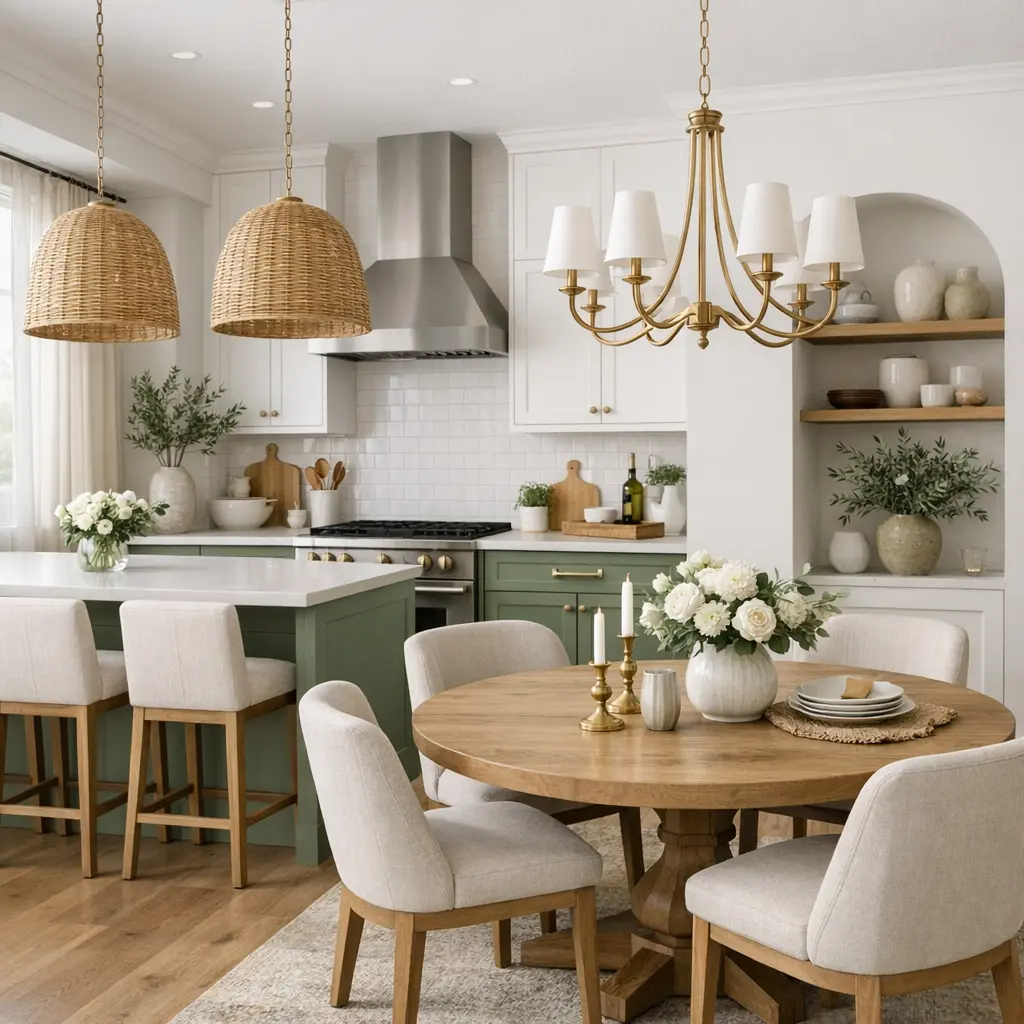
Full sage cabinets, top and bottom, can feel heavy in a smaller kitchen. Painting just the lower cabinets sage and keeping the uppers in white or a warm cream lightens the whole room while still giving you the color impact. This two tone approach also draws the eye downward, which makes the space feel taller.
Semi gloss or satin finish holds up better than matte in a kitchen, since it resists grease and water marks more easily around a busy cooking area.
When Full Sage Cabinets Do Work
In a larger kitchen with high ceilings and strong natural light, full sage cabinets can work without feeling heavy. The extra ceiling height and light give the color room to breathe that a smaller kitchen doesn’t have.
2. Balance the Kitchen with a Light Countertop
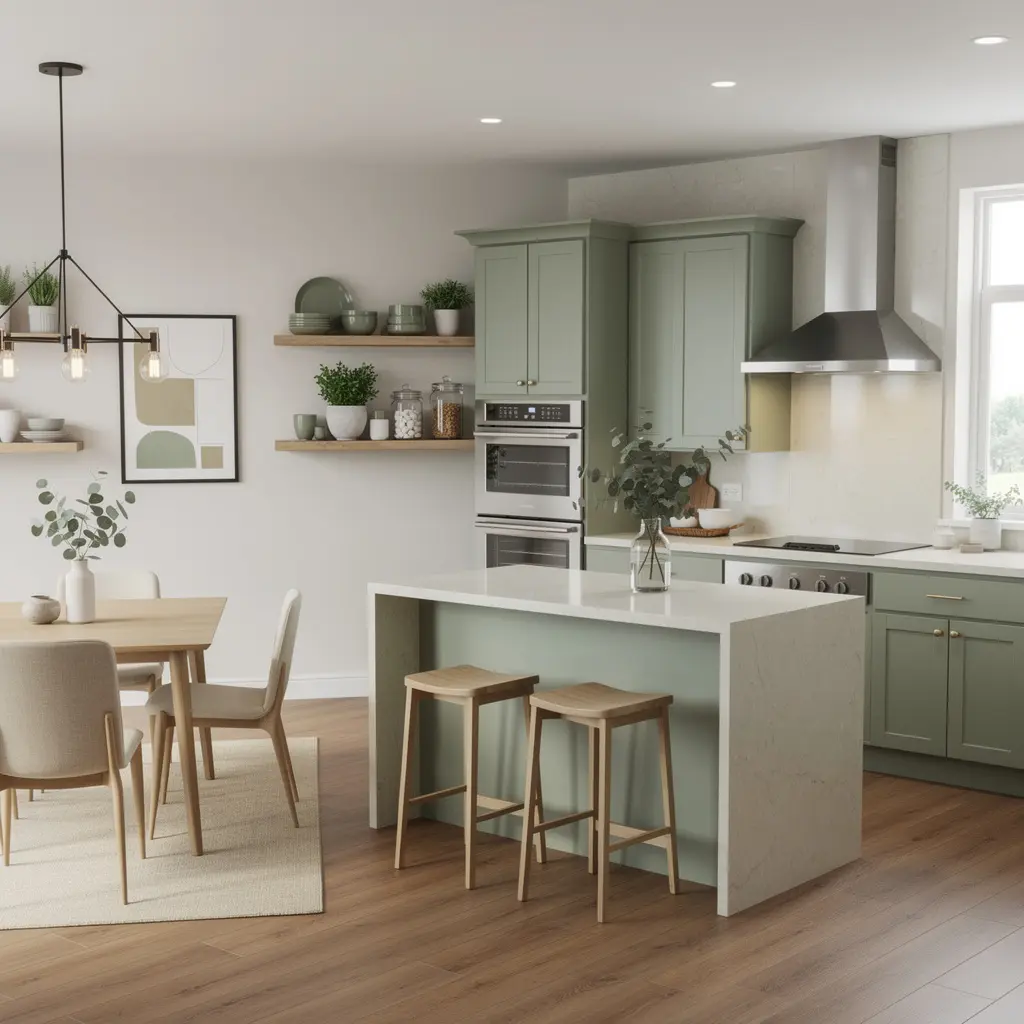
A pale quartz or marble look countertop, in white or a soft warm gray, keeps sage cabinets from making the kitchen feel dark. Look in the $40 to $100 per square foot range depending on material and edge profile. The contrast between the light counter and the green cabinets is part of what makes the look feel intentional rather than accidental.
Avoid pairing sage with a dark countertop unless the kitchen already has strong natural light. Two deep tones stacked on top of each other can swallow the light in a smaller room.
3. Bring in Brass or Warm Gold Hardware
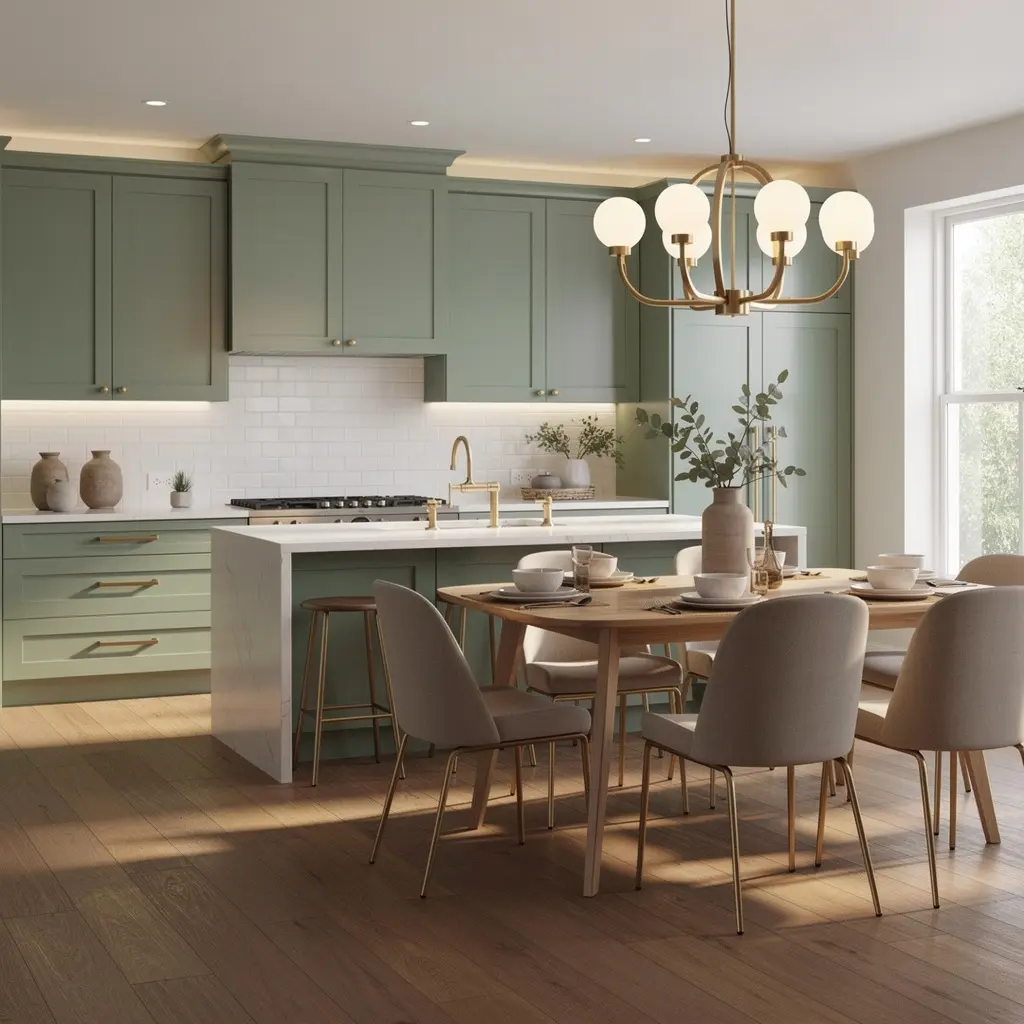
Sage pairs especially well with warm metals rather than cool ones. Brass cabinet pulls, a brushed gold faucet, or gold pendant fixtures add warmth and a slightly elevated feel against the green. Chrome and stainless can still work, but they read a little more utilitarian than luxurious in this palette.
Swapping just the cabinet hardware to brass is one of the fastest, lowest cost updates that shifts the whole room’s tone. It’s a change that can happen in an afternoon without touching paint or countertops at all.
4. Use Open Shelving Sparingly and Styled
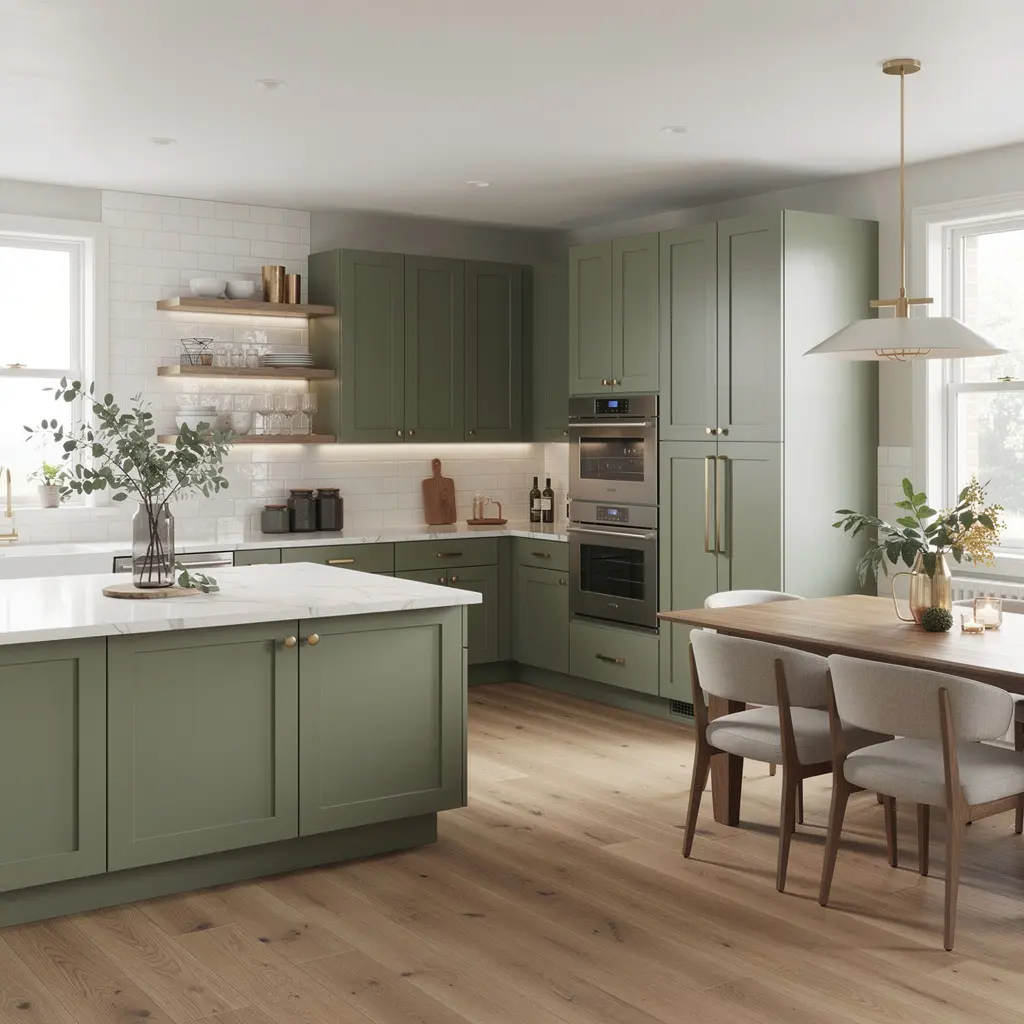
One or two open shelves, rather than a full wall of them, give you a spot to display a few ceramic pieces or glassware without creating visual clutter. Keep the items on display limited and coordinated in color, mostly white, cream, and wood tones, so the shelf doesn’t compete with the cabinet color below it.
Closed cabinets should still handle the bulk of everyday storage. Open shelving works best as a small accent, not the primary storage solution in a working kitchen.
5. Carry the Sage Tone into the Dining Space
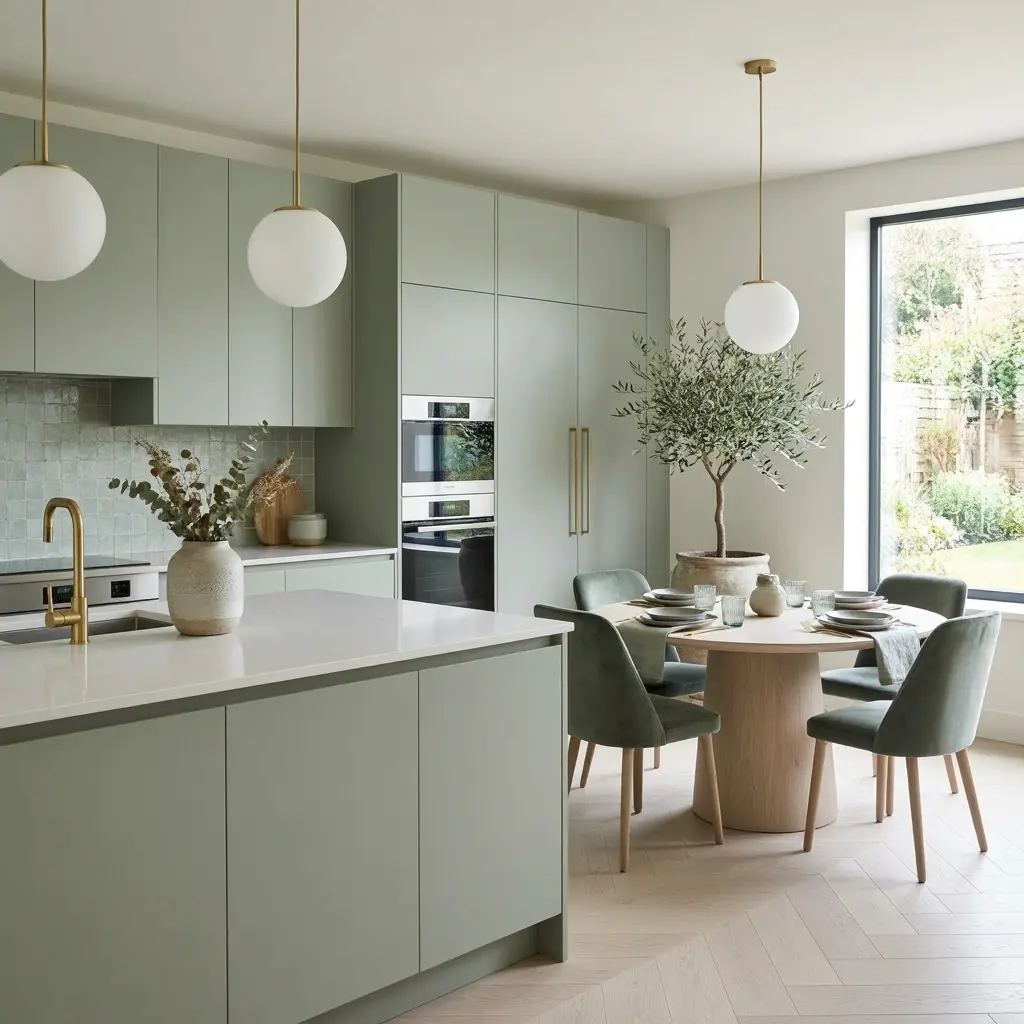
This is the step that actually connects the two areas. Bring sage into the dining space through dining chairs, a piece of art, or even just a set of table linens, rather than repainting an entire second wall. The goal is an echo of the kitchen color, not an exact repeat.
A Simple Way to Test the Connection
Stand at the far end of the dining table and look back toward the kitchen. If your eye catches the sage color at least once in the dining space, the connection is working. If the dining area reads as a completely different palette, add one more sage touch there.
6. Choose a Dining Table in Warm Wood

A wood dining table in a medium oak or walnut tone grounds the space and balances the cooler undertone of sage. Prices for a solid wood table typically run from $400 to $1,200 depending on size and material, though a wood look laminate table can bring the look in at a lower cost.
Round or oval tables tend to work well in a dining space that’s open to the kitchen, since they don’t create hard corners that block movement between the two areas.
7. Add a Statement Pendant Over the Dining Table
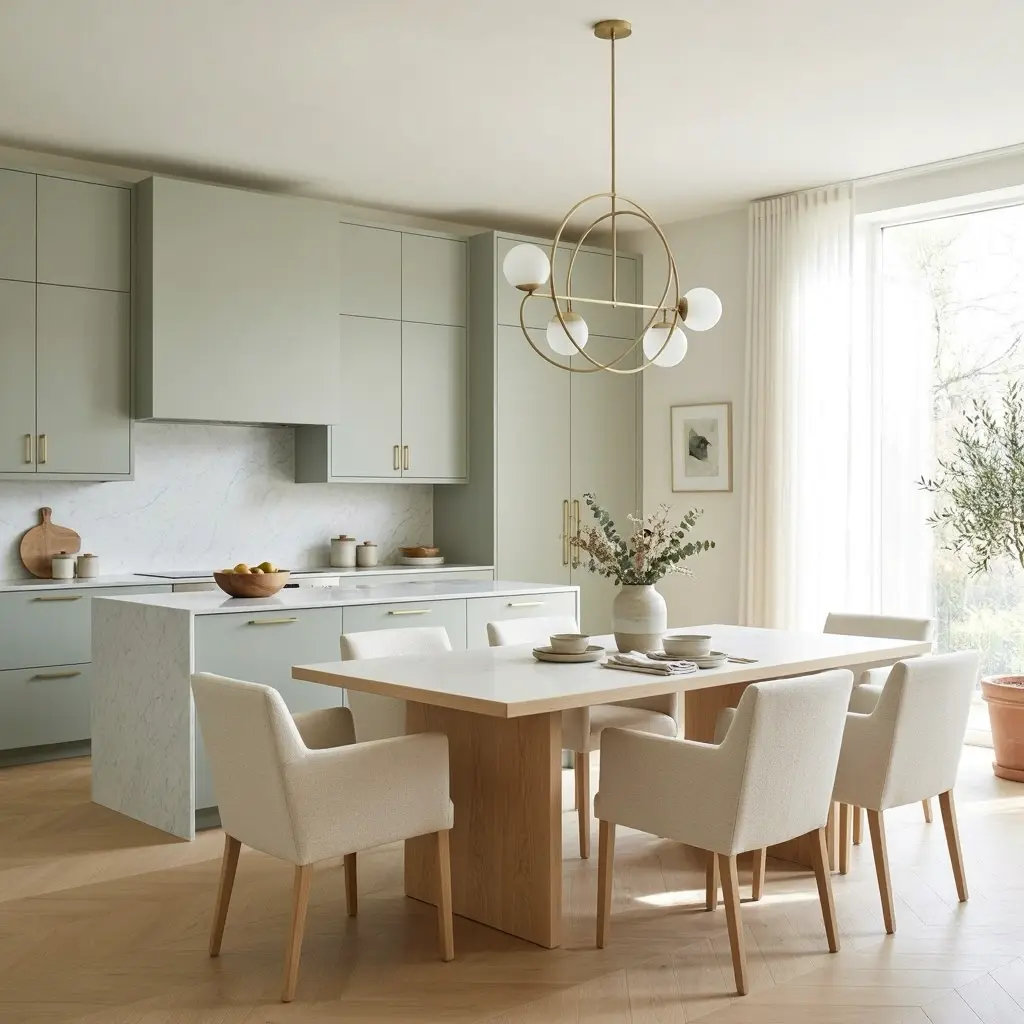
A single statement light fixture over the dining table gives the space its own visual anchor, separate from the kitchen’s overhead lighting. A brass or matte black pendant, in the $80 to $250 range, adds height and draws the eye upward in a room that might otherwise feel visually flat.
Hang the pendant about 30 to 34 inches above the table surface for the most balanced proportion. Too high and it loses impact, too low and it interferes with sightlines across the table.
8. Layer in a Rug Under the Dining Table
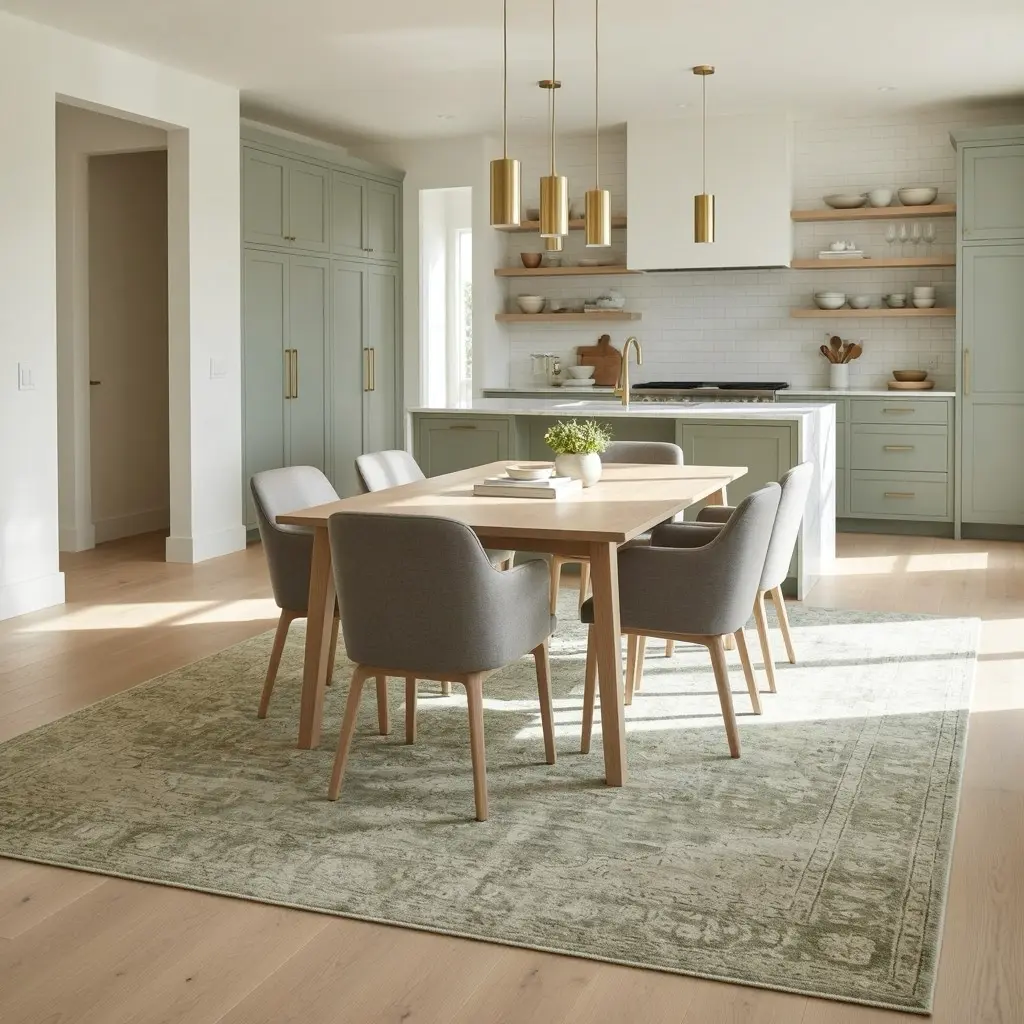
A rug under the dining table adds warmth and helps define the dining area as its own zone within an open plan space. Choose a rug large enough that all the chairs stay on it even when pulled out, typically at least 8 by 10 feet for a standard six person table.
A low pile or flatweave rug works best here, since dining chairs can catch and snag on a thicker plush pile every time they’re pushed in or out.
9. Keep Backsplash and Walls Simple
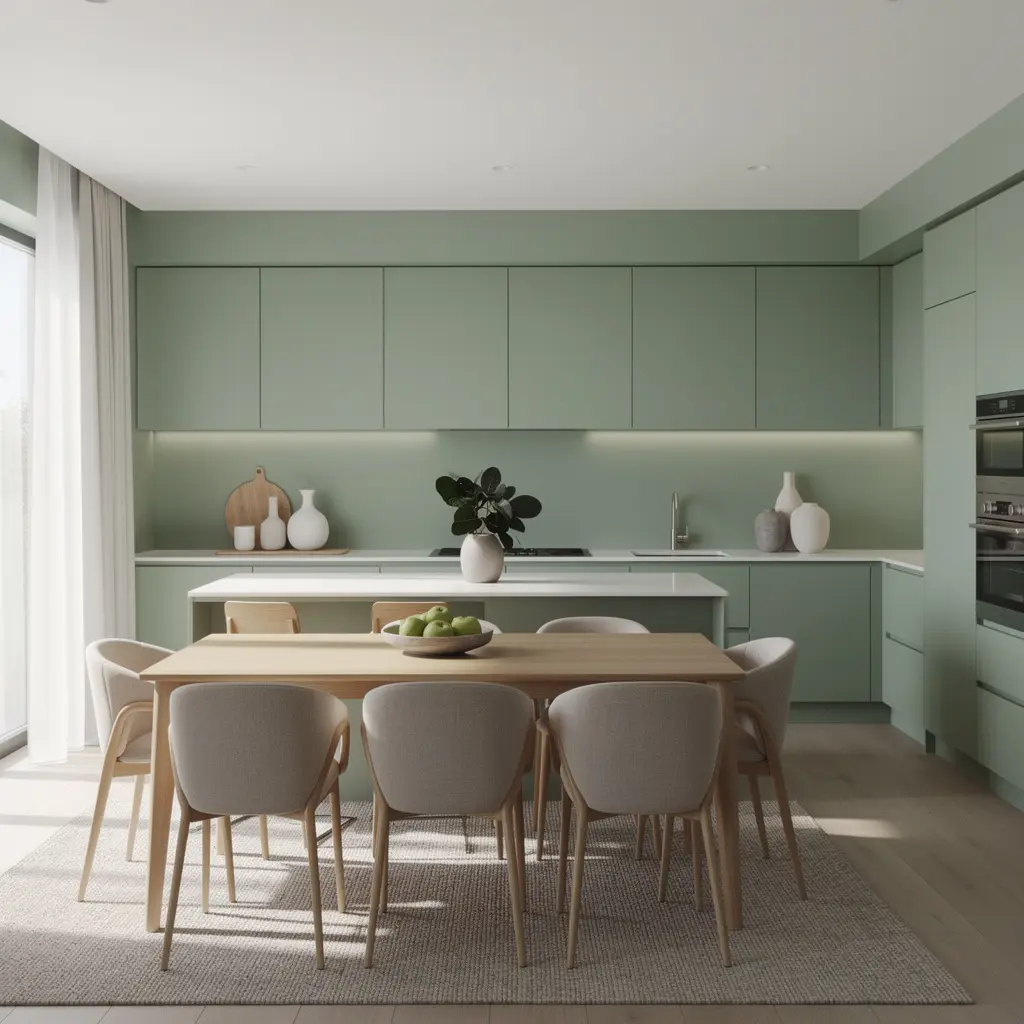
A busy patterned backsplash can compete with sage cabinets instead of supporting them. A simple subway tile, a soft stone look tile, or even a plain painted wall in a warm white lets the cabinet color stay the visual focus. The same logic applies to the dining room walls, which work best in a warm neutral that doesn’t fight with the sage accents.
If you want pattern, save it for something easy to change later, like a runner rug or a set of table linens, rather than a permanent tile installation.
10. Add Greenery to Bridge Kitchen and Dining
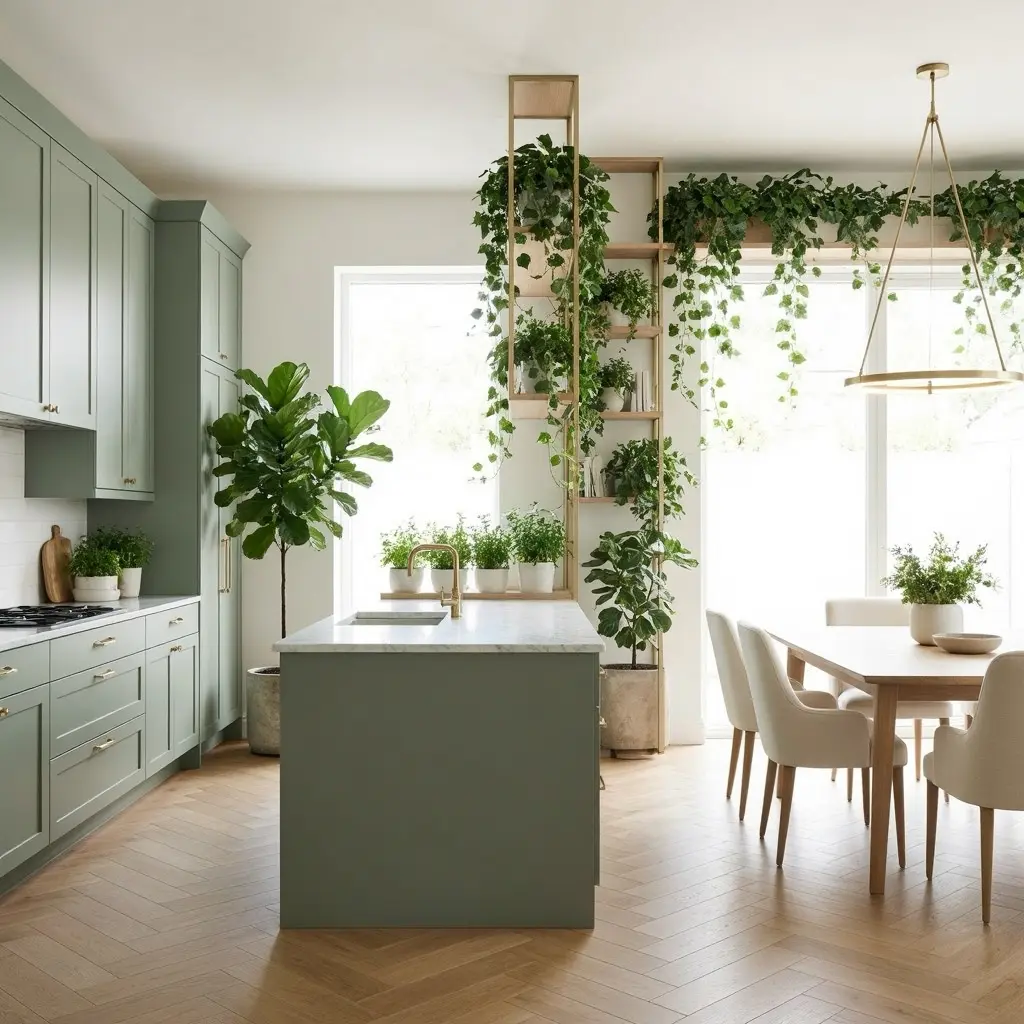
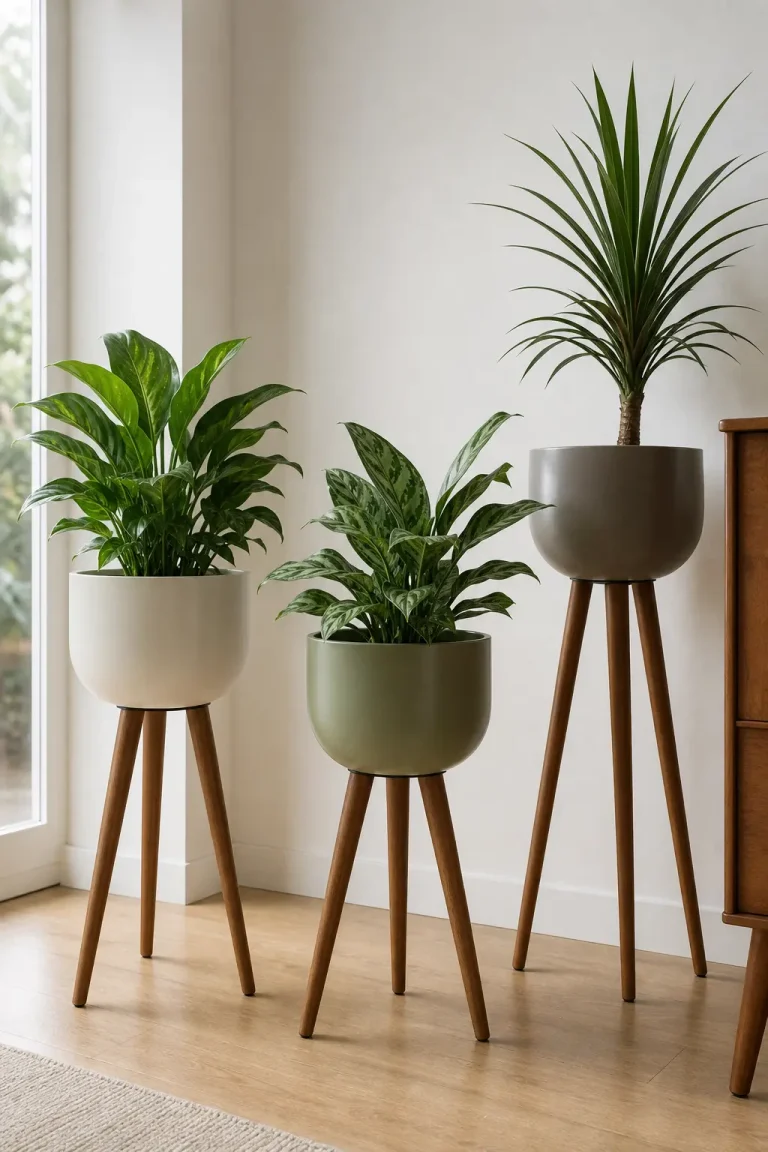
A small plant on the kitchen counter and another on the dining table, in a similar planter style, visually tie the two spaces together without repeating any single decor item exactly. Herbs in a window box work well in the kitchen zone, while a simple trailing plant suits the dining table.
This is a small, low cost detail, but it reinforces the same color story running through both spaces without adding anything that competes with the sage tone already established.
Mistakes to Avoid
- Painting every cabinet, upper and lower, sage green in a small or dim kitchen
- Pairing sage cabinets with a dark countertop in a room without strong natural light
- Treating the kitchen and dining area as two unrelated color schemes
- Overloading open shelving with mismatched colors and clutter
- Choosing a rug too small for the dining chairs to stay on when pulled out
- Adding a busy patterned backsplash that competes with the cabinet color
Frequently Asked Questions
Does sage green work well in a small kitchen? Yes, especially when limited to lower cabinets with a lighter upper cabinet or wall color. Full sage cabinets in a small, dim kitchen can feel heavier than intended.
What countertop color pairs best with sage green cabinets? A light quartz or marble look surface in white or soft warm gray tends to balance sage best, since it keeps the room from feeling too dark overall.
How do I connect an open kitchen and dining area without repainting both? Repeat the sage tone through smaller elements in the dining space, like chair upholstery, art, or table linens, rather than painting a second wall the same color.
Is brass or matte black hardware better with sage green? Both work, though brass tends to read as slightly warmer and more traditional, while matte black feels a touch more modern. The choice often comes down to the rest of the room’s finishes.
What size rug do I need under a dining table? Aim for a rug that extends at least 24 to 30 inches beyond the table edge on all sides, so chairs stay on the rug even when pulled out.
Conclusion
A truly elegant sage green kitchen and dining space isn’t built from matching everything exactly. It comes from repeating a few key elements, the sage tone, warm wood, and brass hardware, across both areas so they read as one connected design. Start with the lower cabinets and one dining room echo, like chair upholstery or art, then build outward from there.