10 Organic Whimsical Home and Biophilic Living Ideas That Feel Truly Magical
Somewhere between a Pinterest board and an actual apartment, a lot of biophilic decorating attempts lose the plot. Ten plants show up, crammed onto every windowsill and shelf, and the whole room starts to feel less like a calm, nature connected retreat and more like a cluttered greenhouse. Biophilic design was never really about plant count. It’s about how light moves through a space, what materials surround you, and whether the layout leaves room to breathe. An organic whimsical home built on those principles ends up feeling alive in a way that ten random plants never quite manage on their own.
The mistake is almost always the same. Plants get treated as the whole strategy instead of one ingredient among several, so a room fills up with greenery while the light stays blocked, the furniture stays boxy, and the materials stay synthetic underneath it all.
1. What Biophilic Design Actually Means Beyond Just Adding Plants
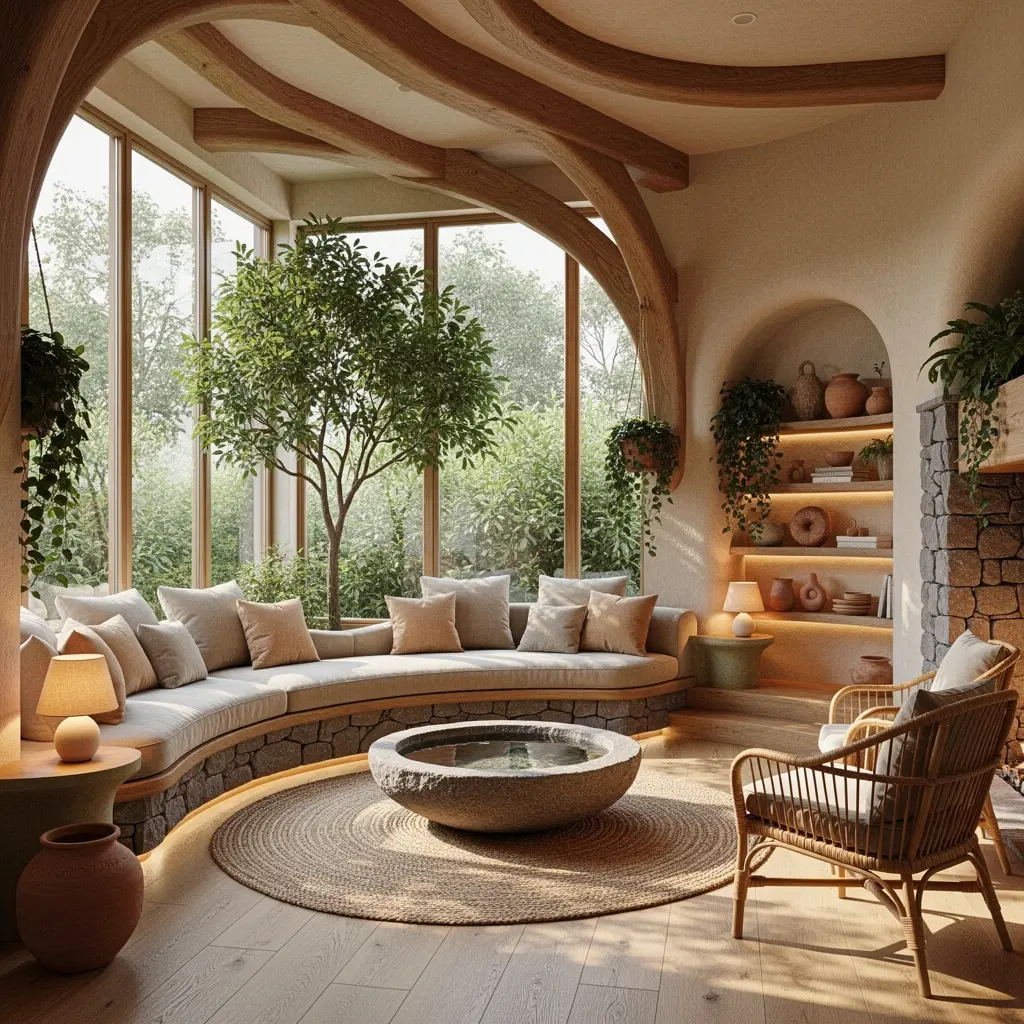
Biophilic design is the practice of building spaces that connect people to the natural world, and plants are just one piece of a much larger picture. Natural light, organic shapes, real materials, even the presence of moving air or water all play a role in how connected a room feels to nature.
A room with zero plants but abundant natural light, wood furniture, and an open layout can feel more biophilic than a dim room stuffed with a dozen plastic pots. The concept is bigger than a shopping list, which is exactly why so many attempts at it stall out after buying more greenery.
It’s worth sitting with that for a moment, because it reframes the whole project. Instead of asking how many plants a room needs, the better question is what’s blocking the light, what materials are underfoot, and whether the shapes in the room feel like they came from nature or from a factory mold.
2. Choose Curved, Organic Shapes Over Sharp Rigid Lines
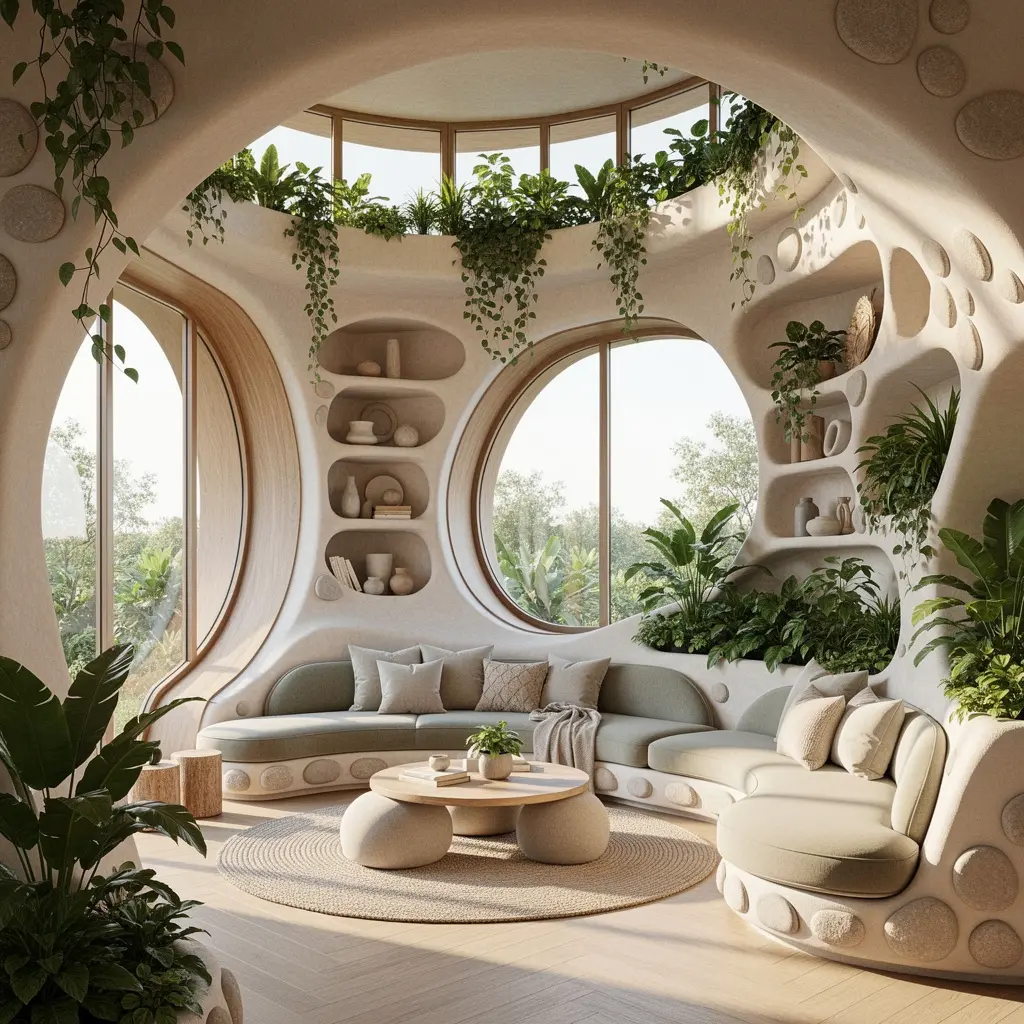
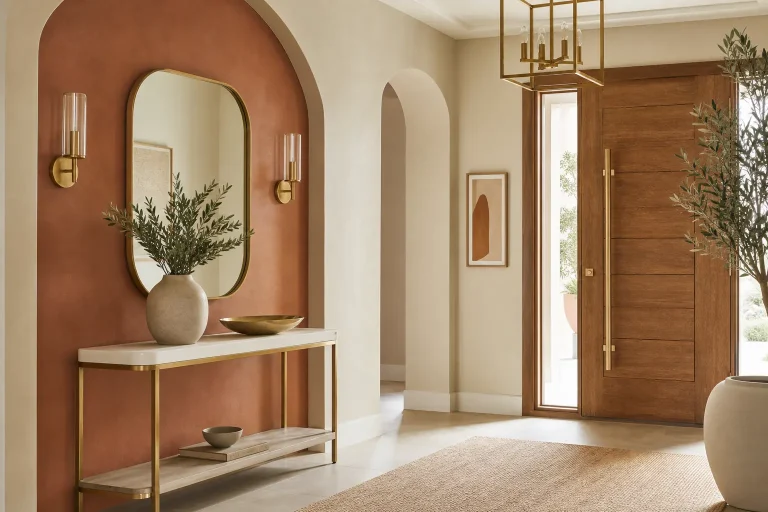
Nature rarely produces perfectly straight lines. Rivers curve. Branches fork unevenly. Rocks wear down into soft, rounded shapes over time. Furniture and decor that echo those curves, a rounded coffee table, an arched mirror, a soft edged sofa, feel more organic than boxy, hard edged pieces.
Where to Start if You’re Working With Existing Furniture
Swapping one or two key pieces, like a coffee table or an accent chair, for something with a curved silhouette can shift a whole room’s feel without a full furniture overhaul. Look for pieces where the curve feels structural, not decorative. A genuinely rounded frame reads differently than straight furniture with a rounded edge tacked on.
3. Maximize Natural Light Instead of Fighting It
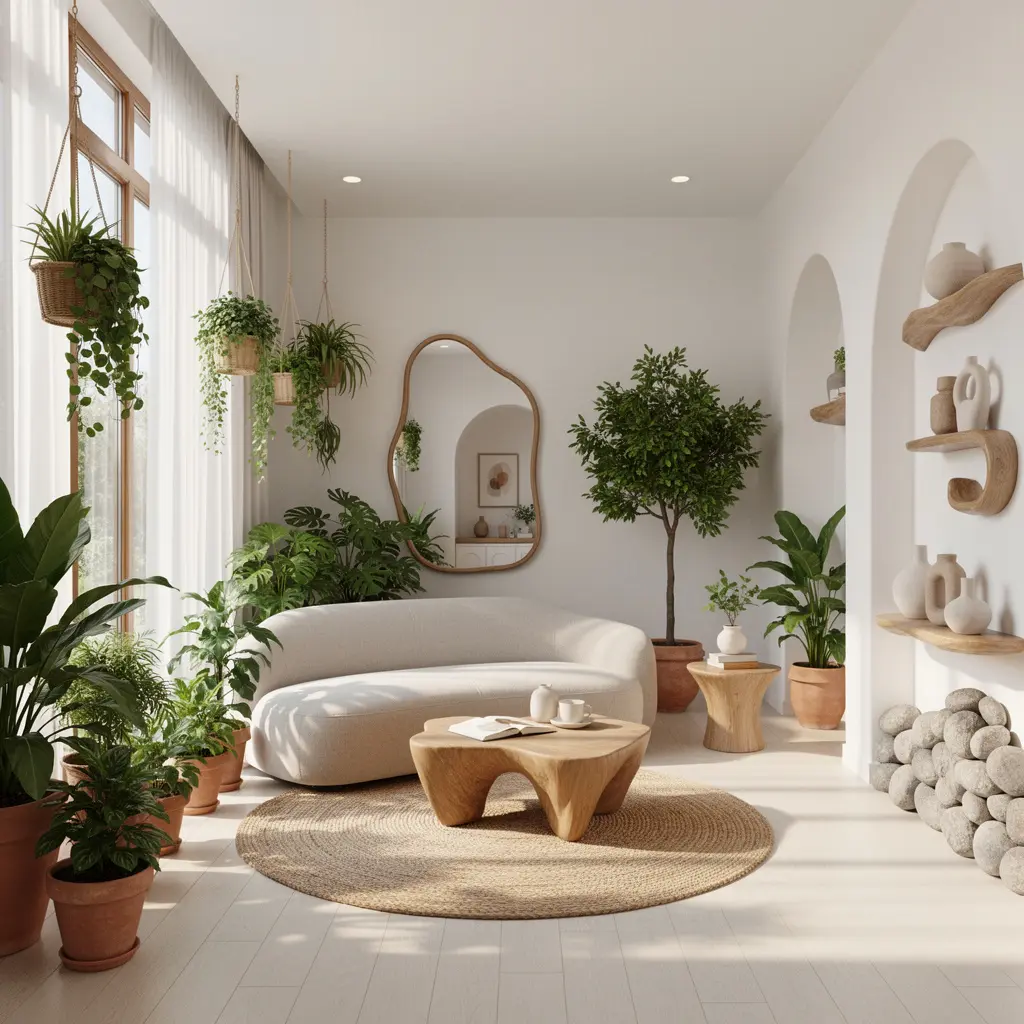
Heavy curtains, dark window film, or furniture blocking a window all work against the core goal of biophilic living. Sheer curtains that filter light rather than block it, furniture arranged to keep windows clear, and mirrors positioned to bounce daylight deeper into a room all support the natural light a biophilic space depends on.
Even a small apartment with limited windows benefits from this approach. Removing whatever’s currently blocking a window often makes a bigger difference than any purchase could.
4. Layer Plants at Different Heights, Not Just on the Floor
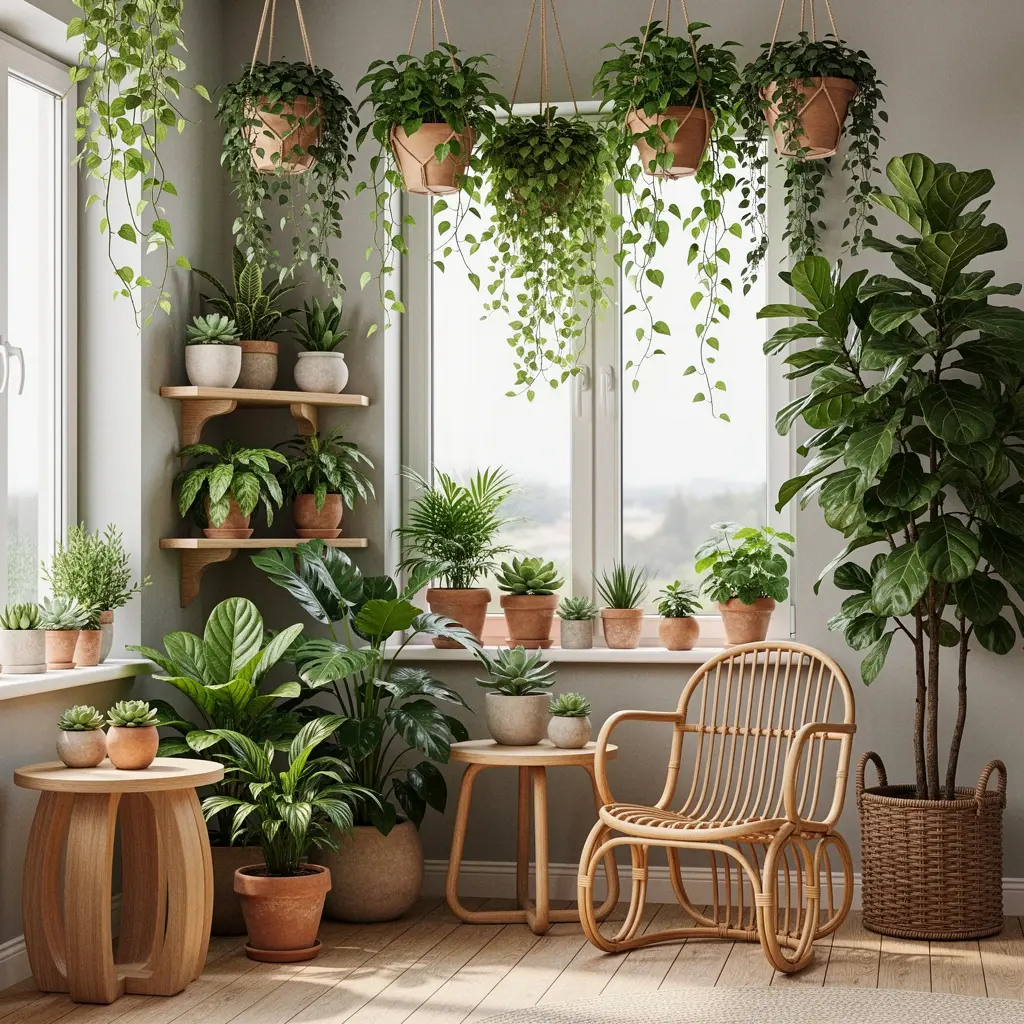
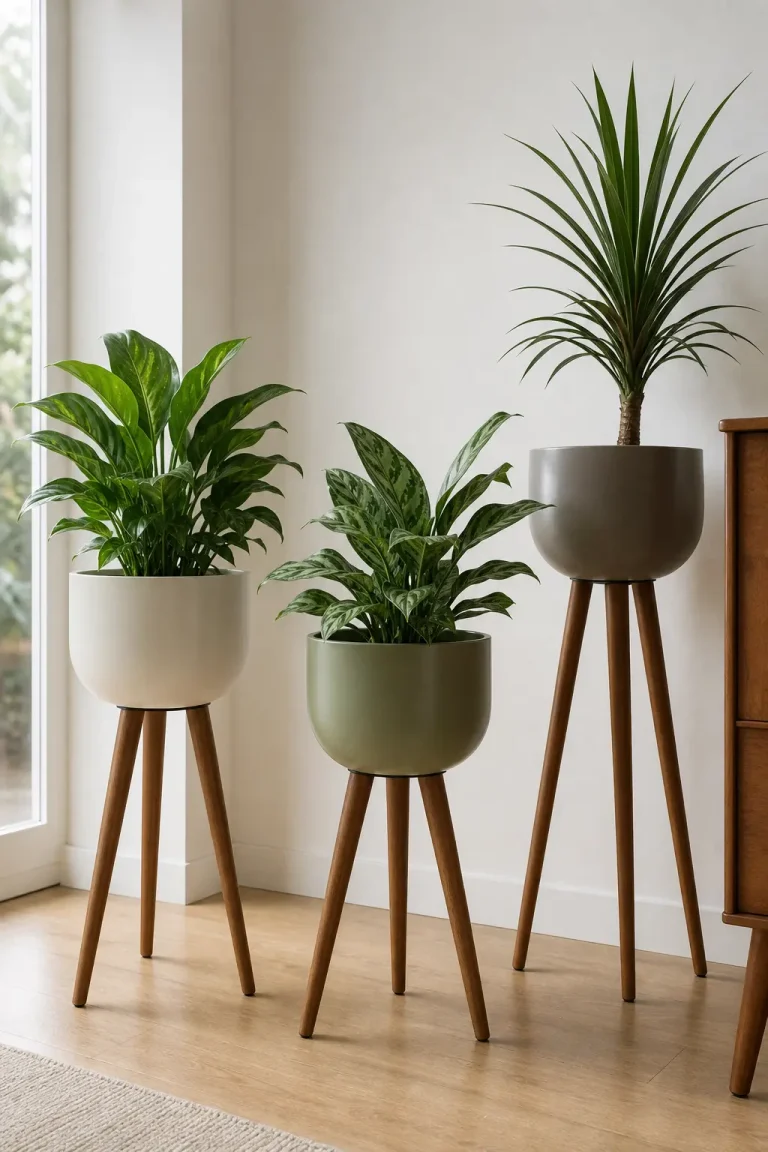
A room with every plant sitting on the floor reads as flat, no matter how healthy or well chosen the plants themselves are. Hanging plants near a window, a tall floor plant in a corner, and a small trailing plant on a shelf together create the layered, forest like depth that a single height of greenery can’t achieve.
This vertical variation is what separates a room that feels genuinely alive from one that just has plants scattered around at random. Height does as much work here as plant count.
5. Bring in Natural Materials Like Wood, Rattan, and Stone
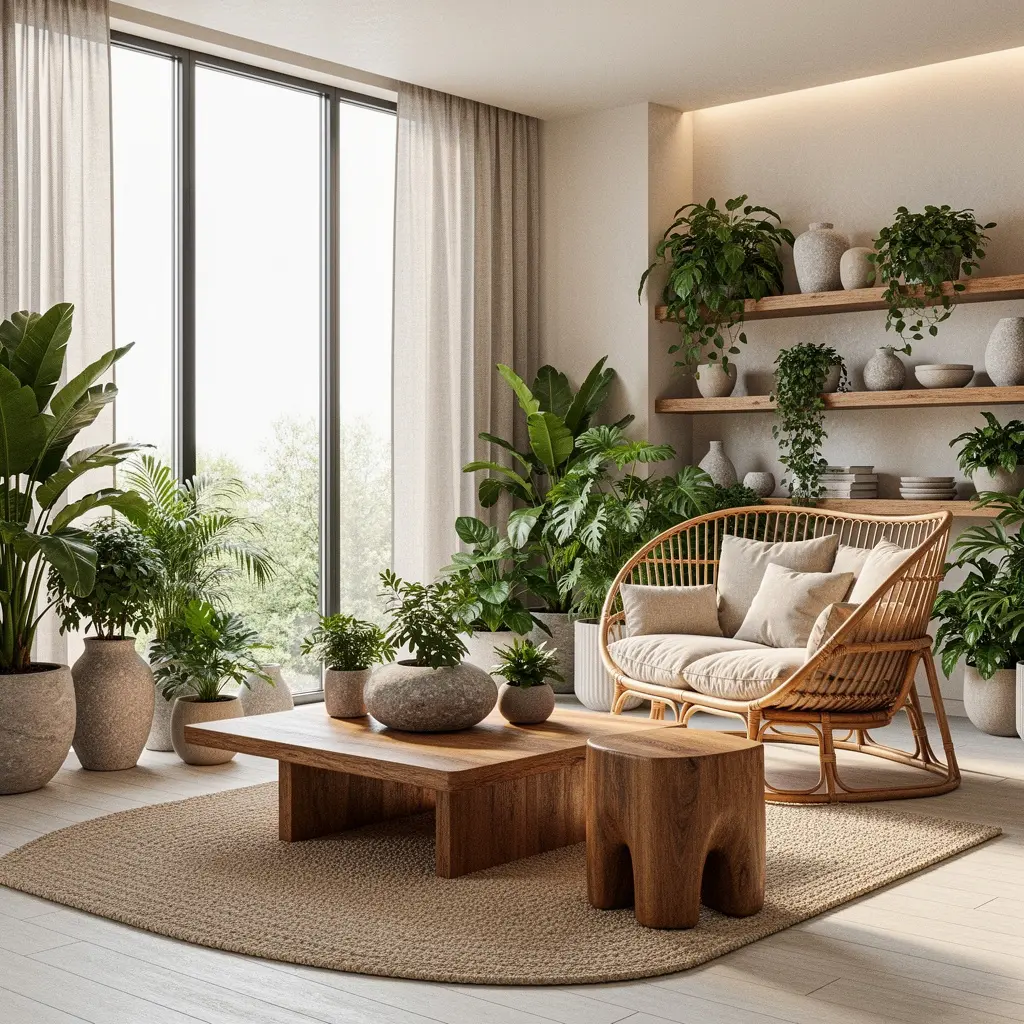
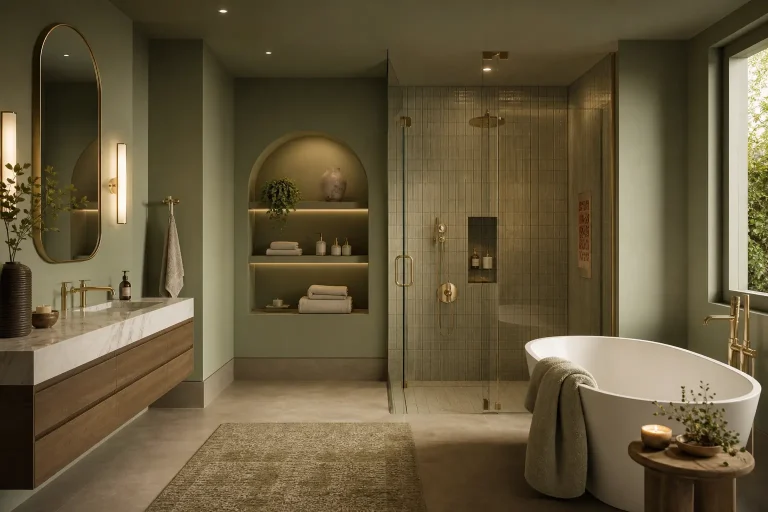
Synthetic materials, glossy plastic, chrome, laminate, work against a biophilic feel even in a room full of real plants. Wood furniture, rattan or woven baskets, stone accents, and natural fiber textiles like linen or jute all reinforce the connection to nature that plants alone can’t carry by themselves.
A single wood coffee table or a woven rattan light fixture shifts a room’s overall material feel more than people expect. Material choice matters just as much as which plants end up on the shelf.
6. Use a Muted, Earthy Color Palette as the Base
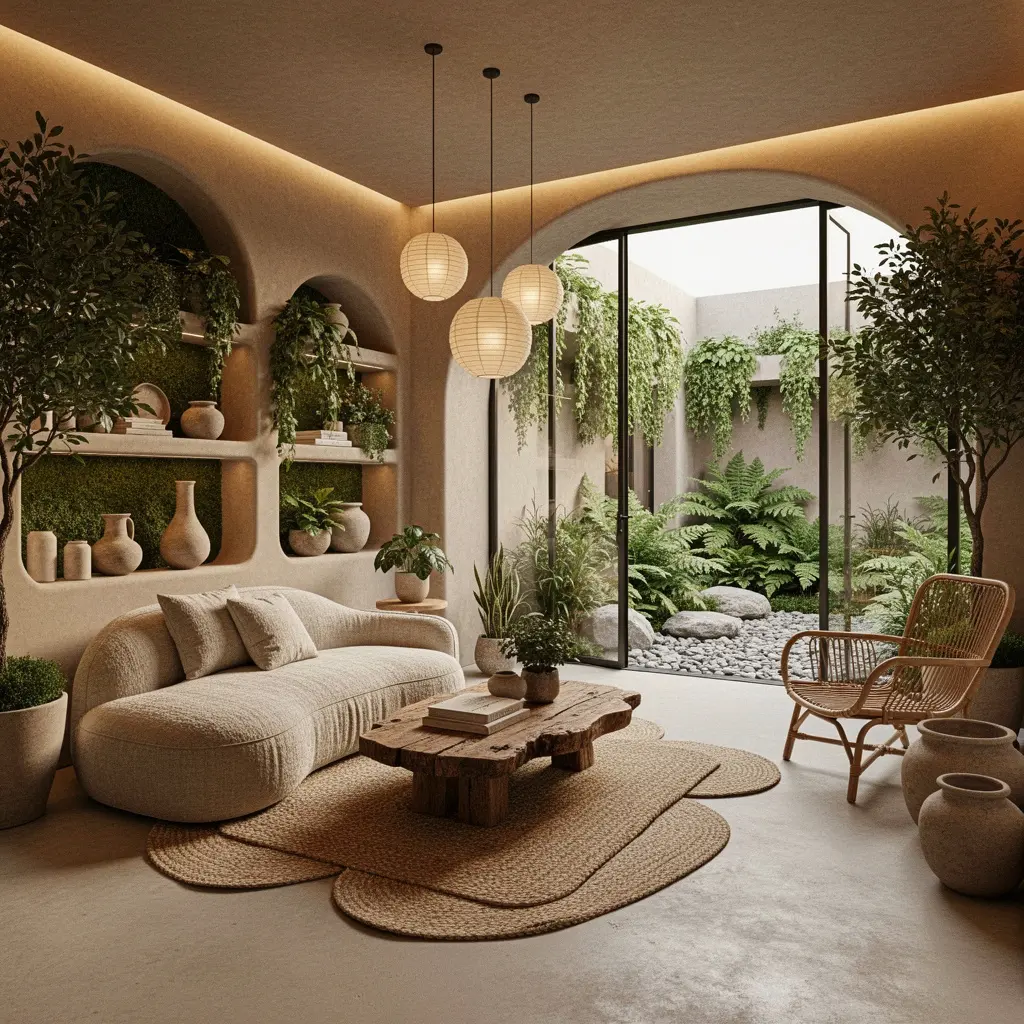
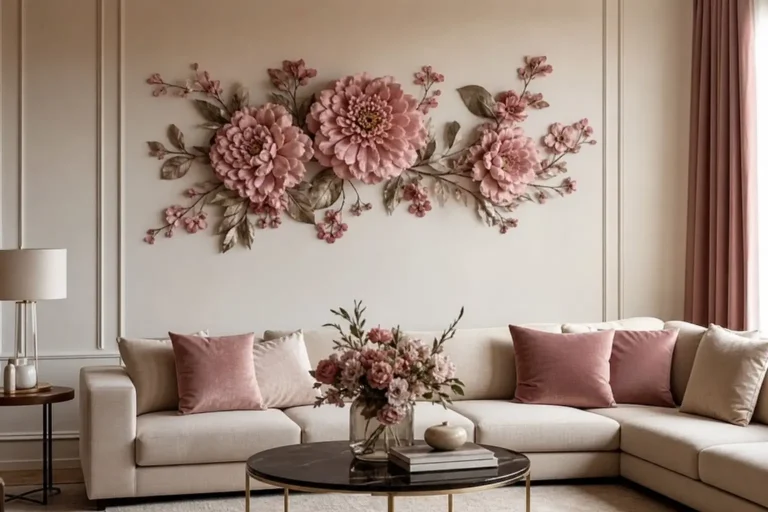
Bright, saturated colors compete with the greens and browns already present in plants and natural materials. Warm neutrals, terracotta, sage, cream, soft clay, let the living elements of the room stand out without fighting for attention against a loud wall color.
That doesn’t mean avoiding color entirely. It means choosing shades that already exist in nature, the color of bark, sand, moss, or clay, and steering clear of anything that reads as artificial or synthetic.
7. Add Water or the Sound of Water if the Space Allows
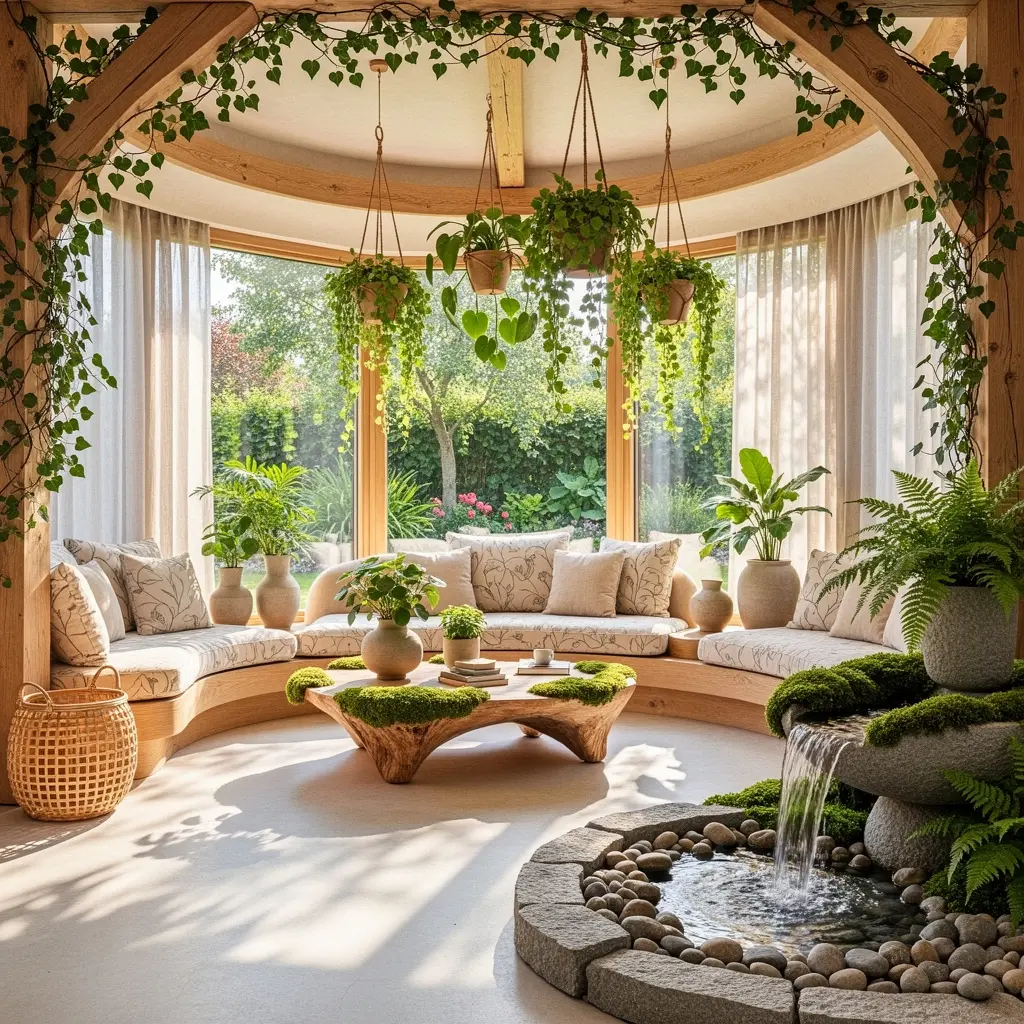
A small tabletop fountain, or even the ambient sound of water playing softly in the background, taps into a sensory element that most biophilic decorating skips entirely. Sight isn’t the only sense worth designing for here.
This is one of the easier additions to test without much commitment. A small twenty to forty dollar tabletop fountain lets you see whether the sound actually adds something to the space before considering anything larger or more permanent.
8. Choose Plants Based on Light, Not Just Looks

A gorgeous plant that slowly dies in a low light corner does nothing for a biophilic space except create a slow, visible reminder of neglect. Match plant choice to your home’s actual light conditions, low light tolerant snake plants and pothos for dim corners, sun loving succulents and fiddle leaf figs for bright windows, and the greenery thrives rather than declining.
A Simple Way to Check Your Light
Hold your hand about a foot above the spot you’re considering for a plant. A crisp, defined shadow means bright light. A soft, blurry shadow means medium light. Almost no visible shadow at all means low light, and the plant choice should follow accordingly.
9. Let Some Imperfection Show in the Layout
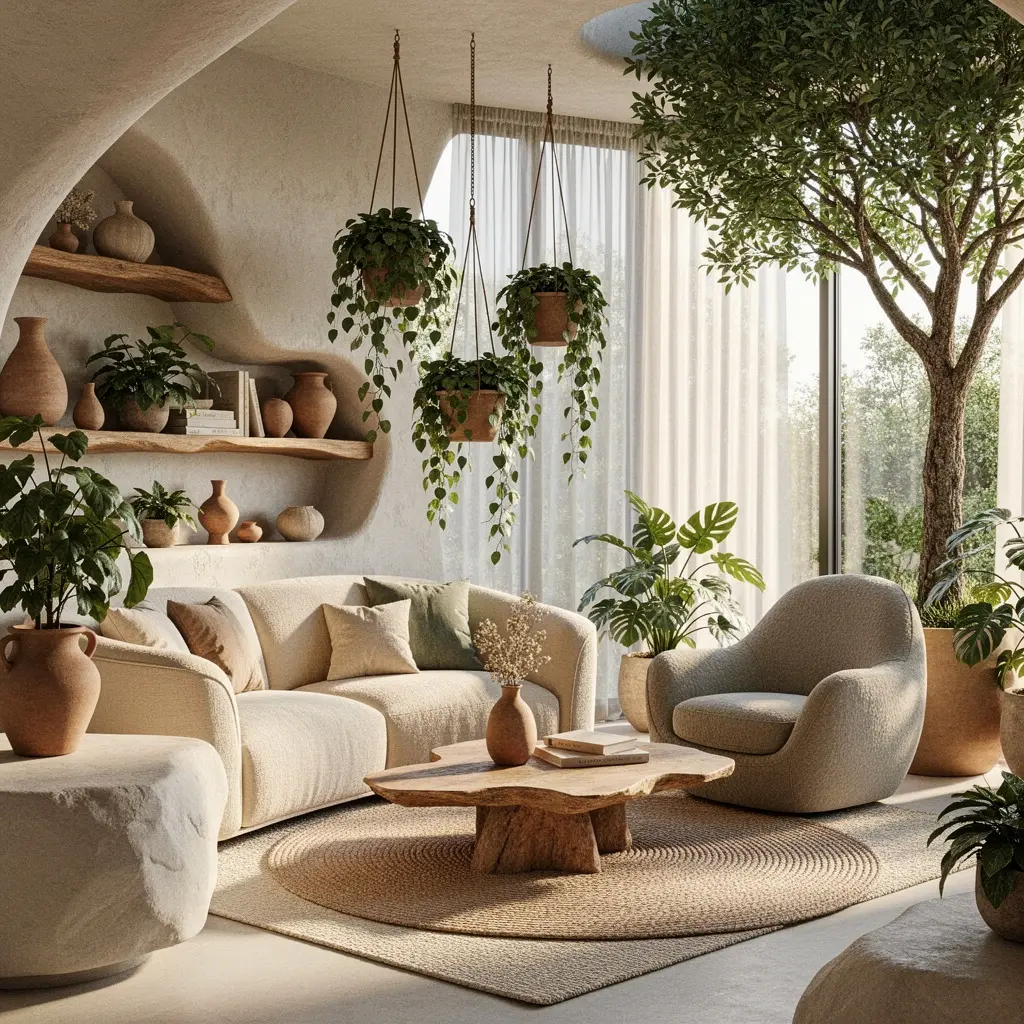
Nature doesn’t organize itself into perfectly symmetrical arrangements, and a biophilic space that’s too rigidly styled starts to work against its own premise. A slightly asymmetrical plant grouping, a plant allowed to trail unpruned, or furniture arranged with a bit of organic variation all support the feeling the whole concept is built around.
This runs counter to a lot of typical interior design advice, which often leans toward balance and symmetry. Here, a little visible imperfection is actually the point.
10. Keeping the Space Calm Instead of Overgrown
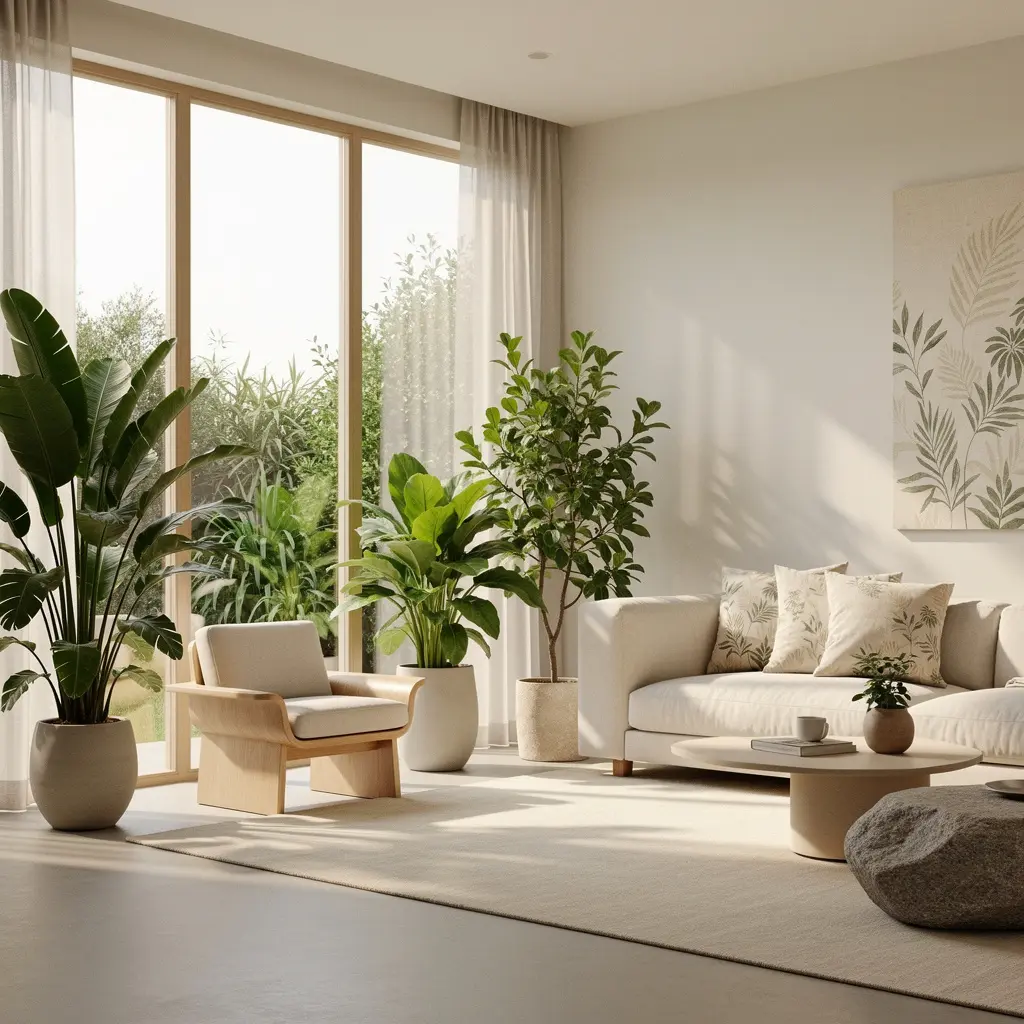
There’s a real difference between a biophilic home and a cluttered one, even though both might have a lot of plants. Leave visible negative space, some bare wall, some open floor, some breathing room between plant groupings, and a heavily planted room stays calm rather than chaotic.
If a room starts to feel overwhelming despite following every other principle here, the plant count itself might simply be too high for the space. Editing down sometimes does more than adding another plant ever could.
Mistakes to Avoid
- Treating plant count as the entire strategy instead of one part of a larger approach
- Blocking natural light with heavy curtains or furniture placement
- Choosing plants based on appearance alone without checking actual light needs
- Filling a room with synthetic materials despite having plenty of plants
- Arranging everything with rigid, forced symmetry
- Overcrowding the space until it feels chaotic instead of calm
Frequently Asked Questions
Do I need a lot of plants to create a biophilic home? No. Natural light, organic shapes, and real materials matter just as much as plant count, and a room can feel biophilic with relatively few plants if those other elements are in place.
What’s the easiest first step toward biophilic design? Maximizing natural light, by clearing windows and swapping heavy curtains for sheer ones, makes an immediate difference without requiring any new purchases.
How do I know if a spot in my home gets enough light for a plant? Hold your hand about a foot above the surface and check the shadow. A crisp shadow means bright light, a soft blurry one means medium light, and little to no shadow means low light.
Can a small apartment achieve a biophilic feel? Yes. Layering a few plants at different heights, choosing natural materials over synthetic ones, and keeping windows clear work in any size space.
Is biophilic design the same as maximalist plant decor? Not exactly. Biophilic design includes plants but also emphasizes light, material, and layout, and it works best when the space still feels calm, not overgrown.
Conclusion
An organic whimsical home built on biophilic principles comes down to more than plant count, natural light, organic shapes, real materials, and a color palette pulled straight from nature all play a part. Start with light and material choices before adding more greenery, and leave enough negative space that the whole room still feels calm rather than crowded. Built this way, a home starts to feel truly alive, not just decorated to look that way.