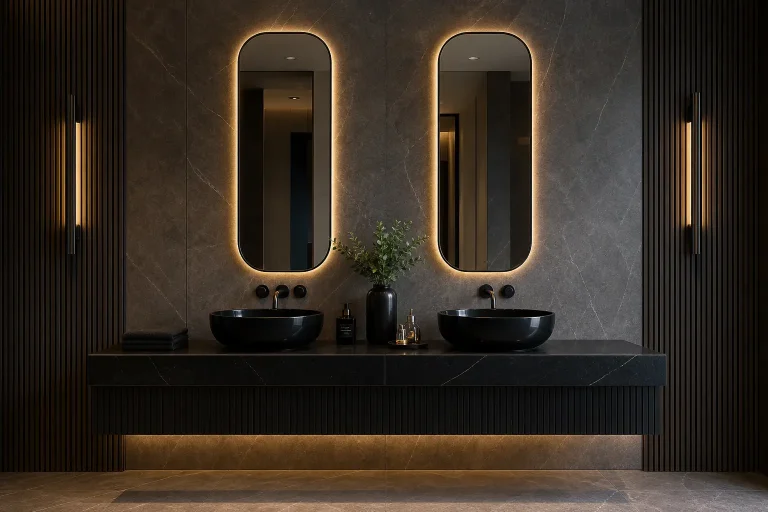
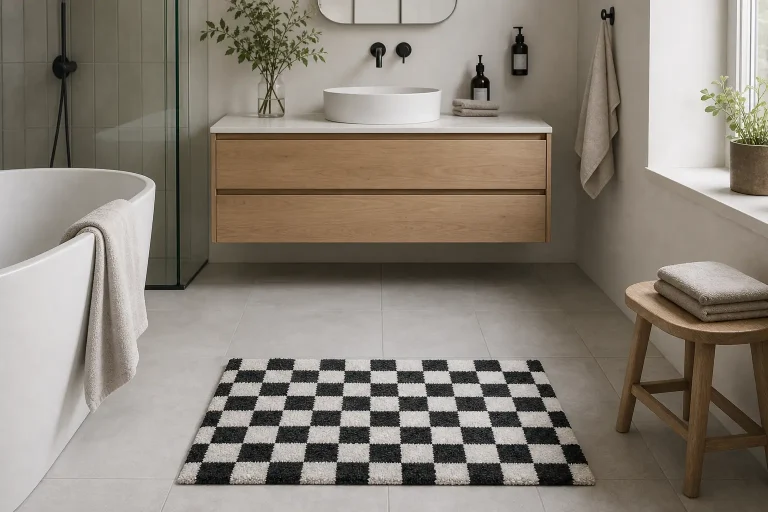
10 Budget Friendly Aesthetic Bedroom Makeover Ideas That Look Expensive
You scroll through bedroom inspiration photos assuming a real transformation means a new bed frame, a matching dresser, and a designer headboard, and then the budget for all of that quietly becomes a few thousand dollars you don’t have. The truth is most aesthetic bedroom makeovers people admire online rely far more on paint, lighting, and styling than on new furniture. A genuinely budget friendly aesthetic bedroom makeover comes down to spending on the handful of changes that shift how the whole room feels, and skipping the ones that mostly just look nice in photos.
The order matters as much as the individual choices. Tackling paint and lighting before furniture, and decluttering before adding anything new, gets more visible result out of a limited budget than spending everything on a single big purchase upfront.
1. Why Furniture Isn’t the First Place to Spend Money
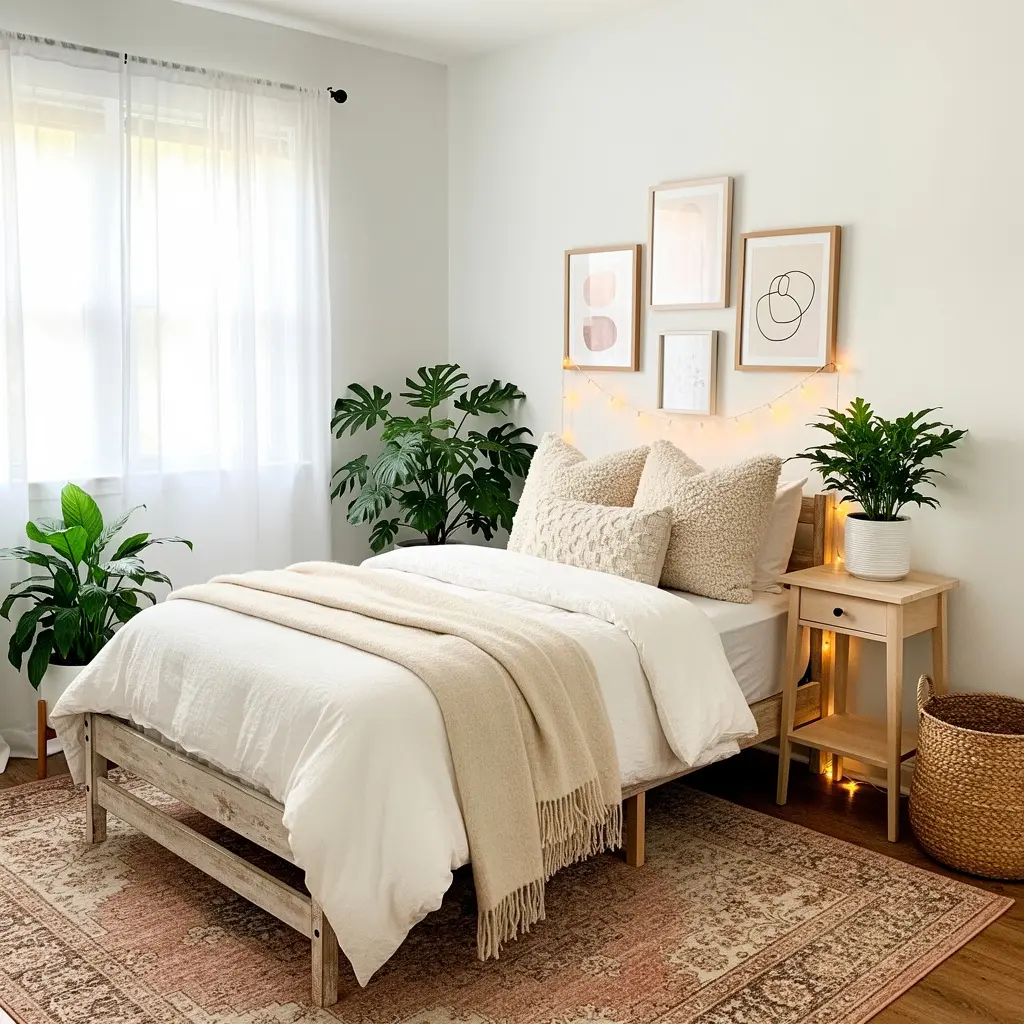
New furniture is expensive and, more importantly, it’s rarely what makes a room feel outdated in the first place. A perfectly functional bed frame or dresser can look completely different once the wall color, lighting, and textiles around it change.
Spending a limited budget on furniture first often means running out of money before addressing the changes that actually shift a room’s overall mood, which tend to be far cheaper and more visually impactful per dollar spent.
This isn’t a rule against ever buying new furniture. It’s a suggestion to sequence spending so the cheapest, highest impact changes happen first, and furniture only gets addressed later if the room still needs it once everything else is in place.
2. Start With Paint for the Biggest Visual Change Per Dollar

A gallon of paint, typically $30 to $60 for a quality interior paint, can completely shift a room’s mood in a single weekend project. A warm, muted tone tends to make a bedroom feel more intentional and cozy than a plain builder’s white, without requiring any other purchase to see the effect.
Choosing a Low Risk Color
Soft, warm neutrals, muted sage, warm terracotta, or a soft clay tone, are generally more forgiving than bold saturated colors, since they pair easily with whatever furniture and bedding you already own rather than requiring a full room overhaul to coordinate.
3. Upgrade Bedding Before Buying a New Bed Frame
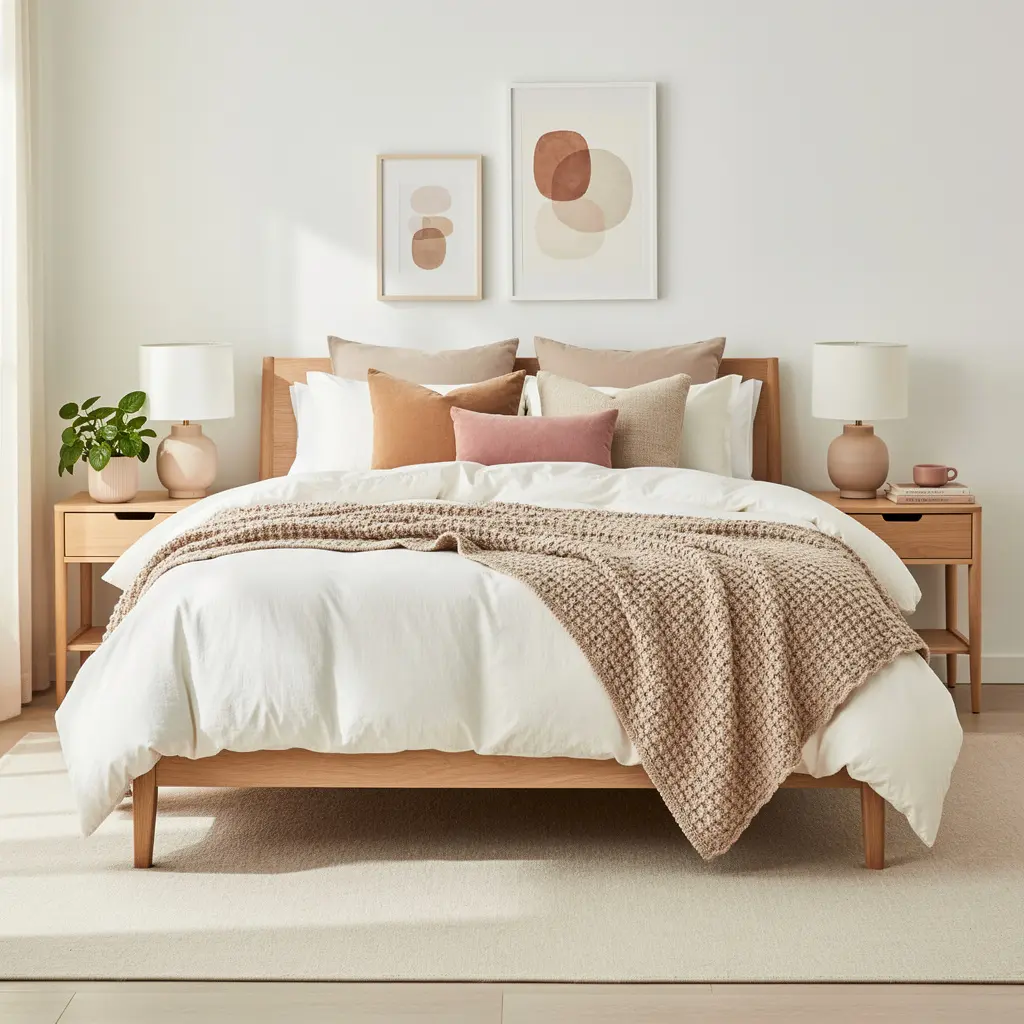
A worn out, mismatched, or overly bright duvet cover ages a bedroom more than an outdated bed frame usually does. A new duvet cover and a couple of coordinating pillows, typically $40 to $100 for a full set depending on material, can visually reset the entire bed without replacing the frame underneath it.
Natural fiber bedding, like linen or a linen cotton blend, tends to photograph and feel more upscale than synthetic blends, even at a similar price point, which makes it a reasonable place to prioritize spending within a tight budget.
4. Swap Lighting for Warmer, Layered Sources
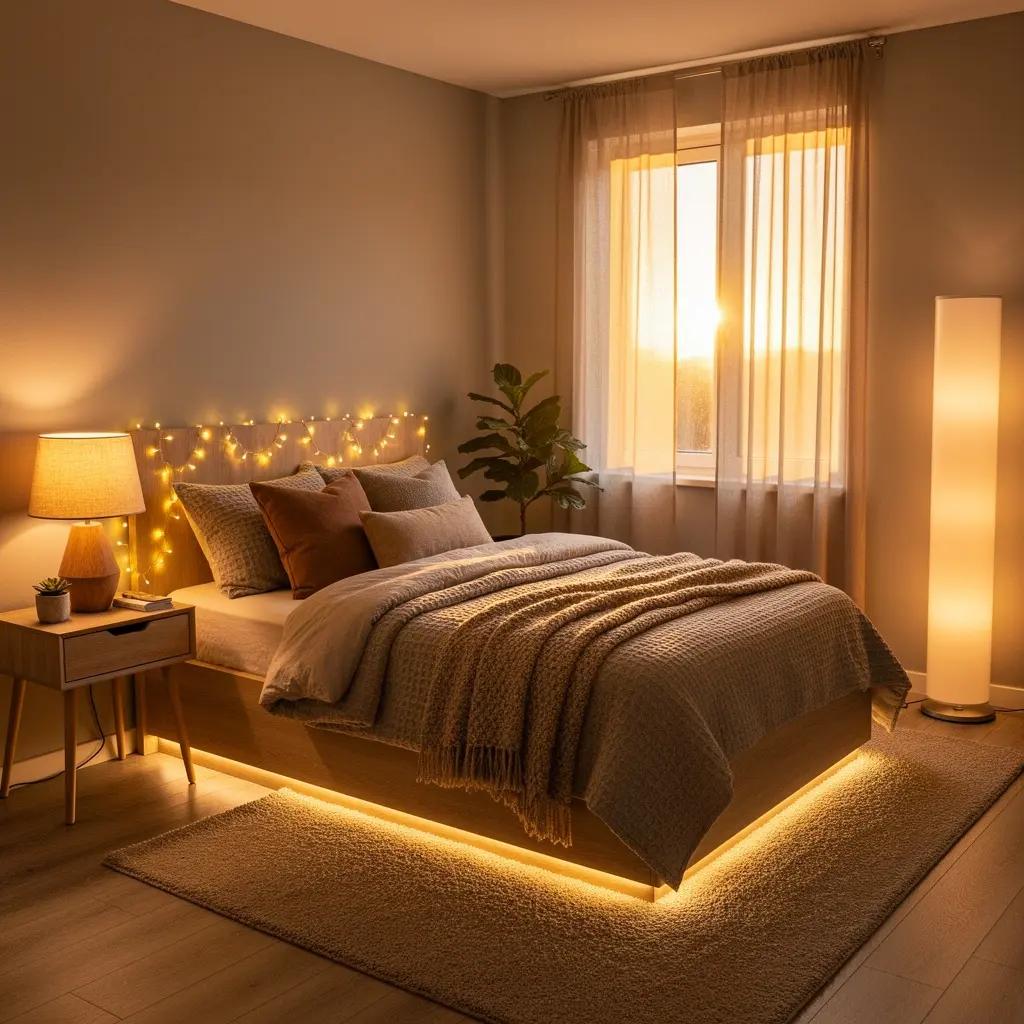
A single harsh overhead light does more to make a bedroom feel unfinished than almost any other single factor. Swapping to warm white bulbs in the 2700K to 3000K range, and adding one affordable table or floor lamp, typically $20 to $60, immediately makes a room feel softer and more considered in the evening.
This is one of the highest impact, lowest cost changes on this entire list, since bulbs alone can shift a room’s mood without touching a single piece of furniture or fabric.
5. Add a Gallery Wall Using Thrifted or Printed Art
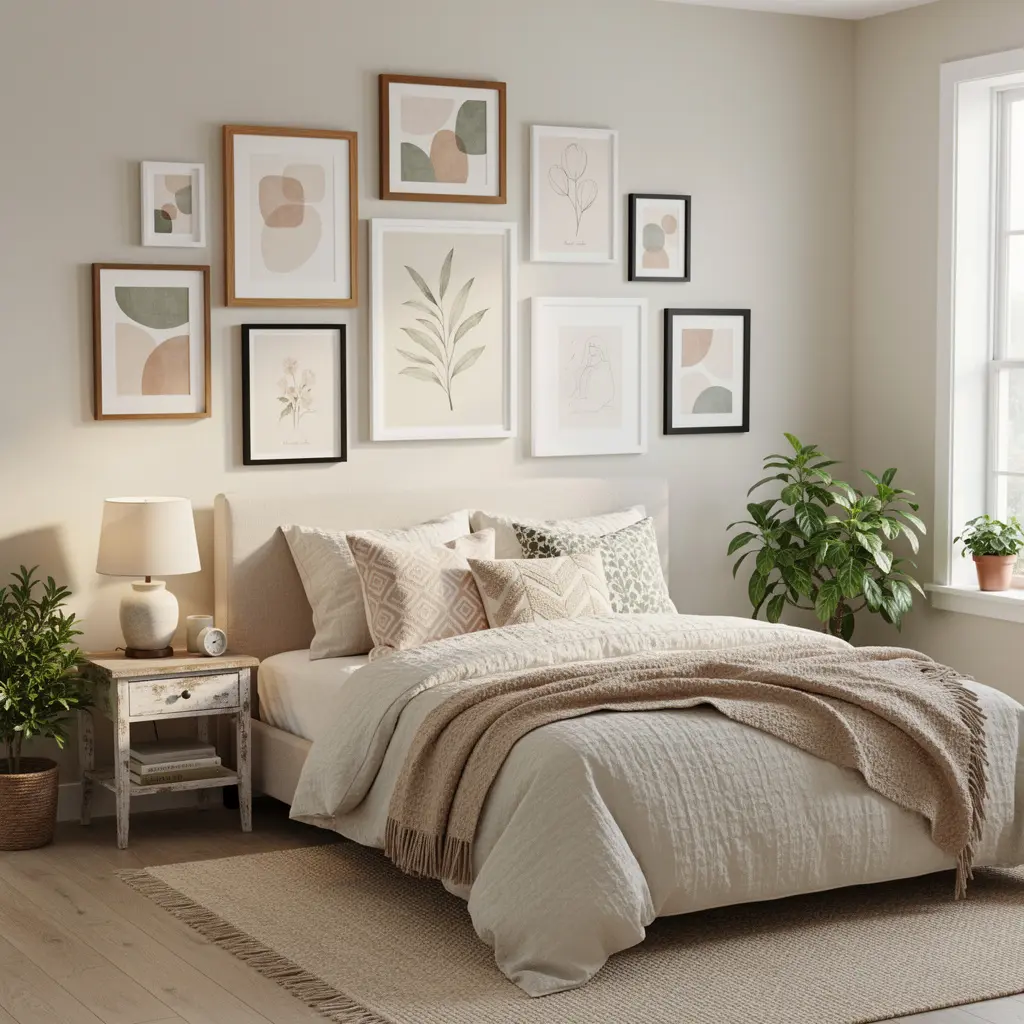
A wall of small, varied frames filled with thrifted prints, free printable art, or personal photos costs far less than a single large piece of original art while adding real visual interest to a plain wall. Thrift store frames, often $2 to $8 each, can be unified with a coat of the same paint color for a cohesive look even when the frames themselves don’t match originally.
Keeping a Gallery Wall From Looking Random
Sticking to a limited color palette across the art itself, even if the frame styles vary, keeps a mismatched gallery wall from looking chaotic. Laying the arrangement out on the floor first, before hanging anything, also helps avoid an unbalanced final layout.
6. Rearrange Furniture Before Assuming You Need More
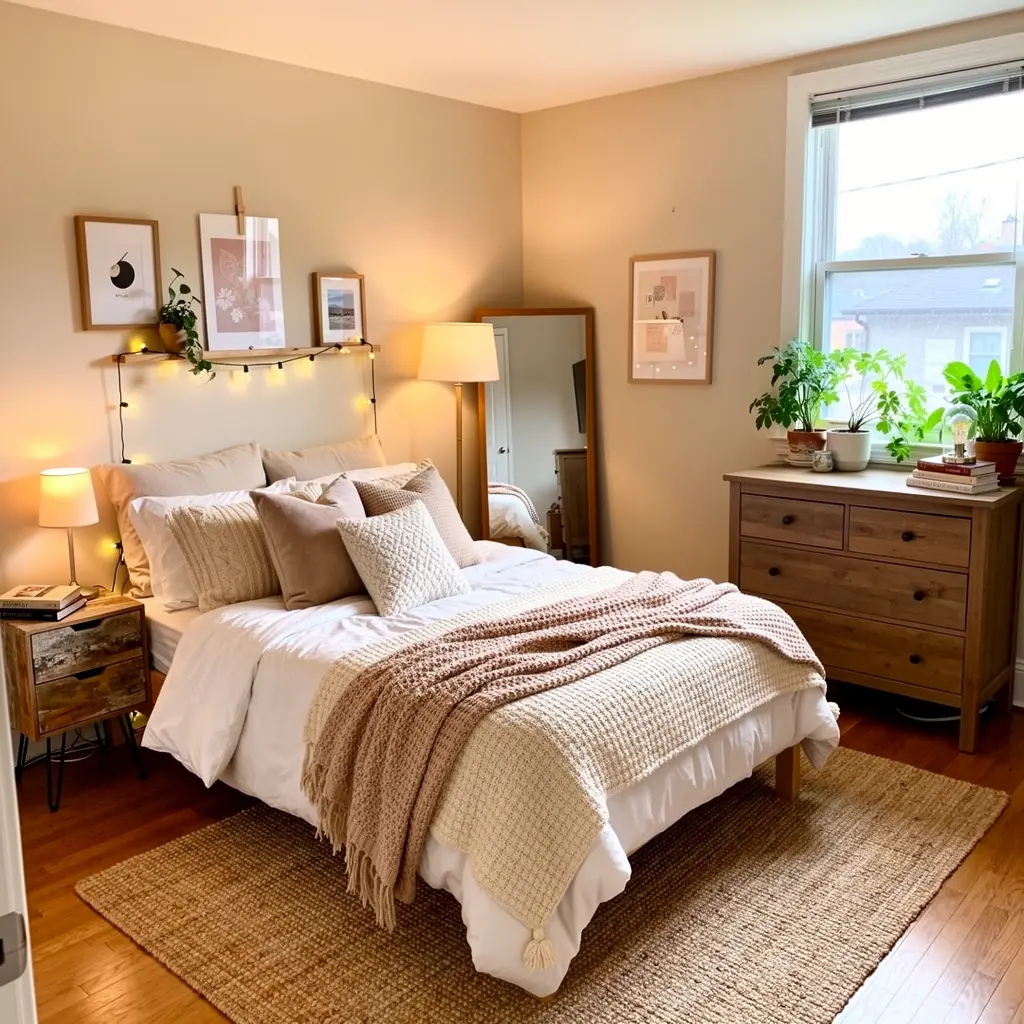
Simply moving existing furniture into a new layout, angling a bed instead of pushing it flat against a wall, or moving a dresser to a different wall, can make a room feel entirely different without spending anything at all. This is worth doing before assuming new furniture is necessary to fix a room that feels stale.
A fresh layout also sometimes reveals that a piece of furniture that felt essential isn’t actually needed in the new arrangement, which can free up both money and floor space at the same time.
7. Use Curtains to Change the Whole Feel of a Window
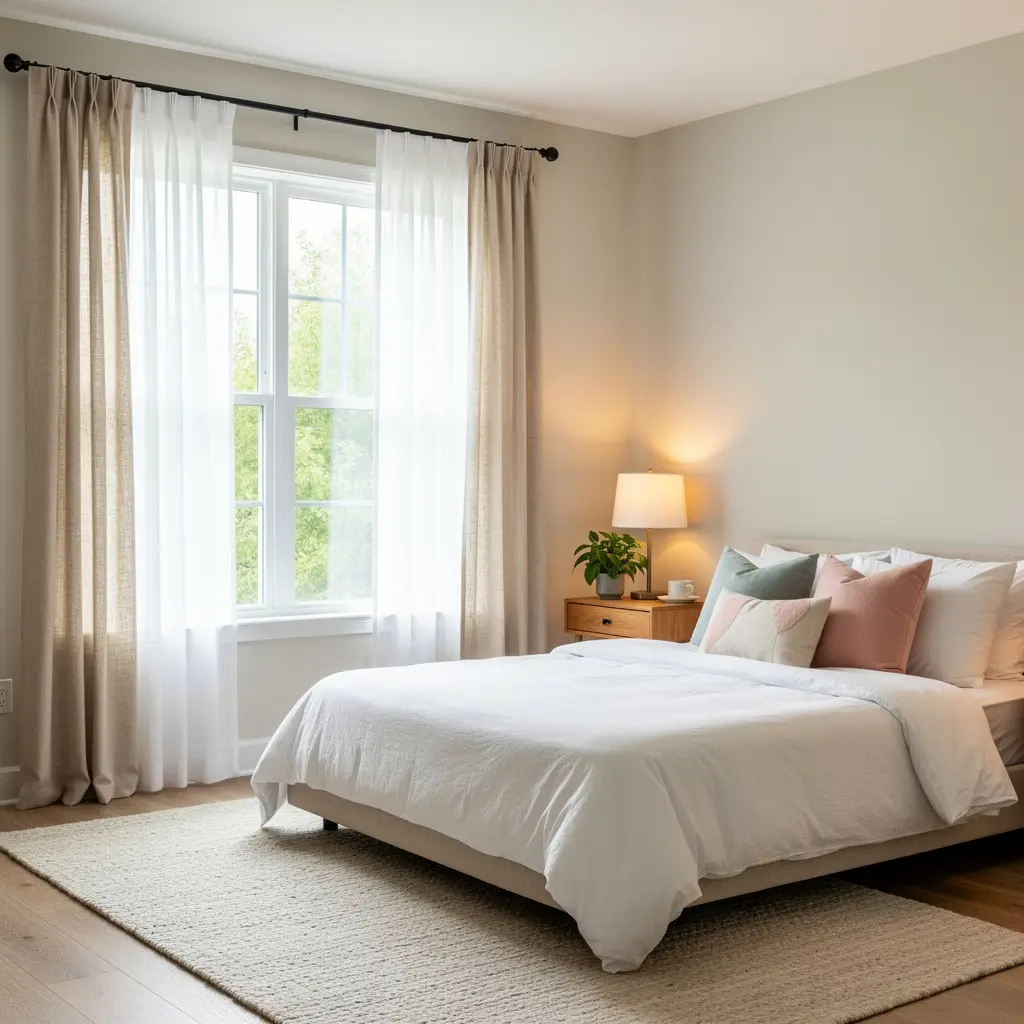
Full length curtains hung higher and wider than the actual window frame, extending from near the ceiling to the floor, make a room feel taller and more finished than short, tight curtains ever do. Budget curtain panels in the $15 to $40 per panel range achieve this effect just as well as far more expensive versions, as long as the length and hanging height are right.
This single change, more than the specific fabric or price point of the curtains themselves, is what makes the biggest visual difference in how a window and the surrounding wall read.
8. Add Texture With Inexpensive Textiles and a Rug
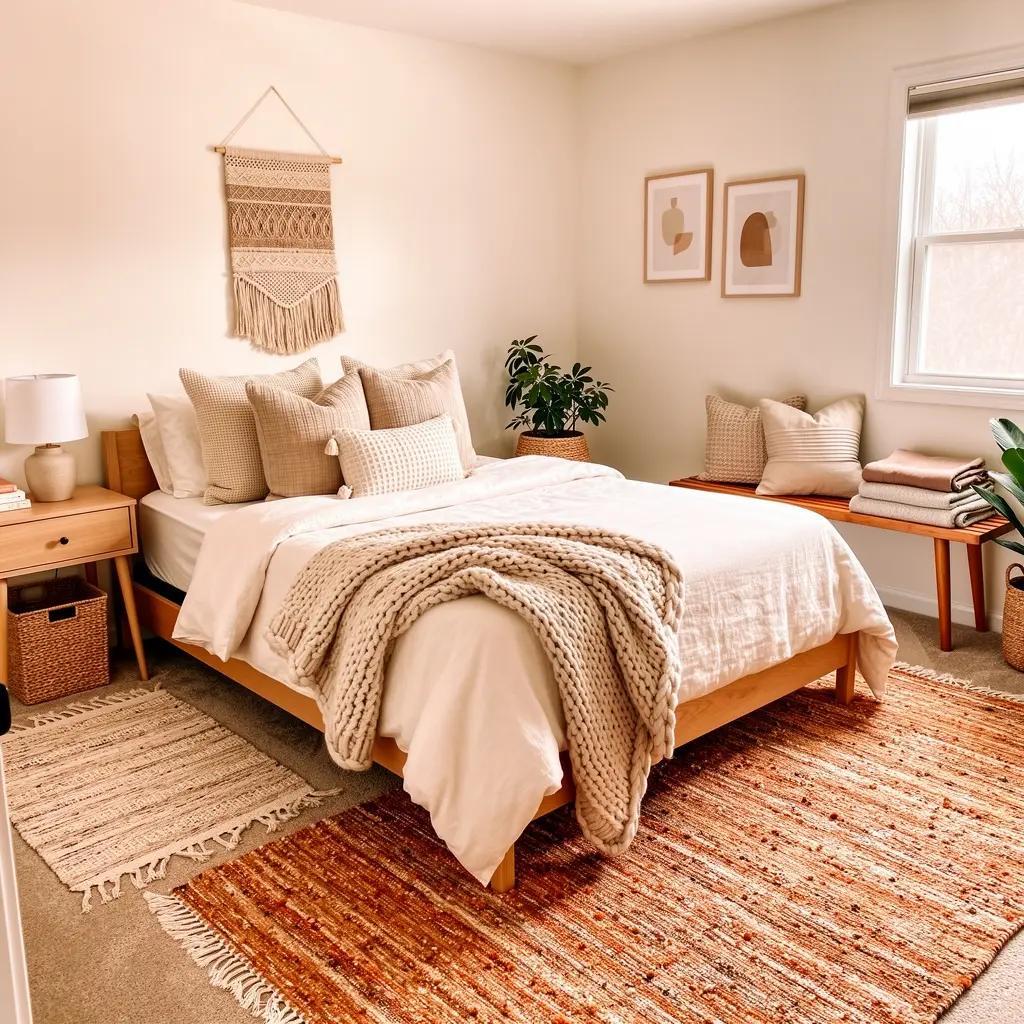
A textured throw blanket, a couple of patterned or textured pillow covers, and an affordable area rug add warmth and visual interest without requiring any furniture changes. Even a budget rug in the $50 to $150 range grounds a room and makes it feel considered rather than sparse.
Layering two or three different textures, a knit throw, a woven pillow cover, a nubby rug, does more for a room’s aesthetic than a single expensive item would on its own, since texture variety is what reads as intentional rather than accidental.
9. Declutter and Edit Before Adding Any New Decor
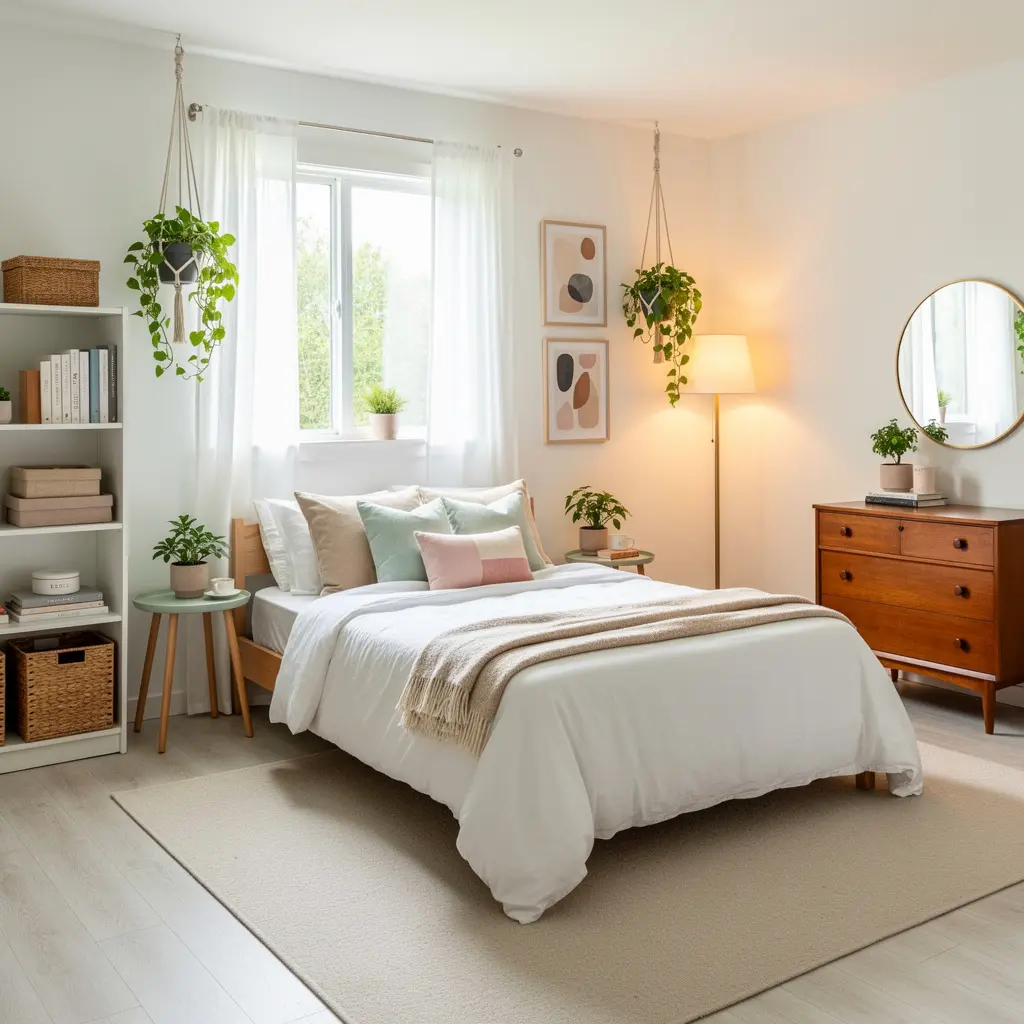
A room cluttered with items that don’t belong, mismatched storage, old paperwork, clothes that need to be put away, will undercut even a well executed paint and lighting refresh. Spending an afternoon editing down what’s actually in the room, before adding anything new, is a free change that makes every other update more effective.
This step is easy to skip because it doesn’t feel like decorating, but a genuinely aesthetic room almost always starts with less visual noise, not more added decor on top of existing clutter.
10. Where a Small Splurge Is Actually Worth It
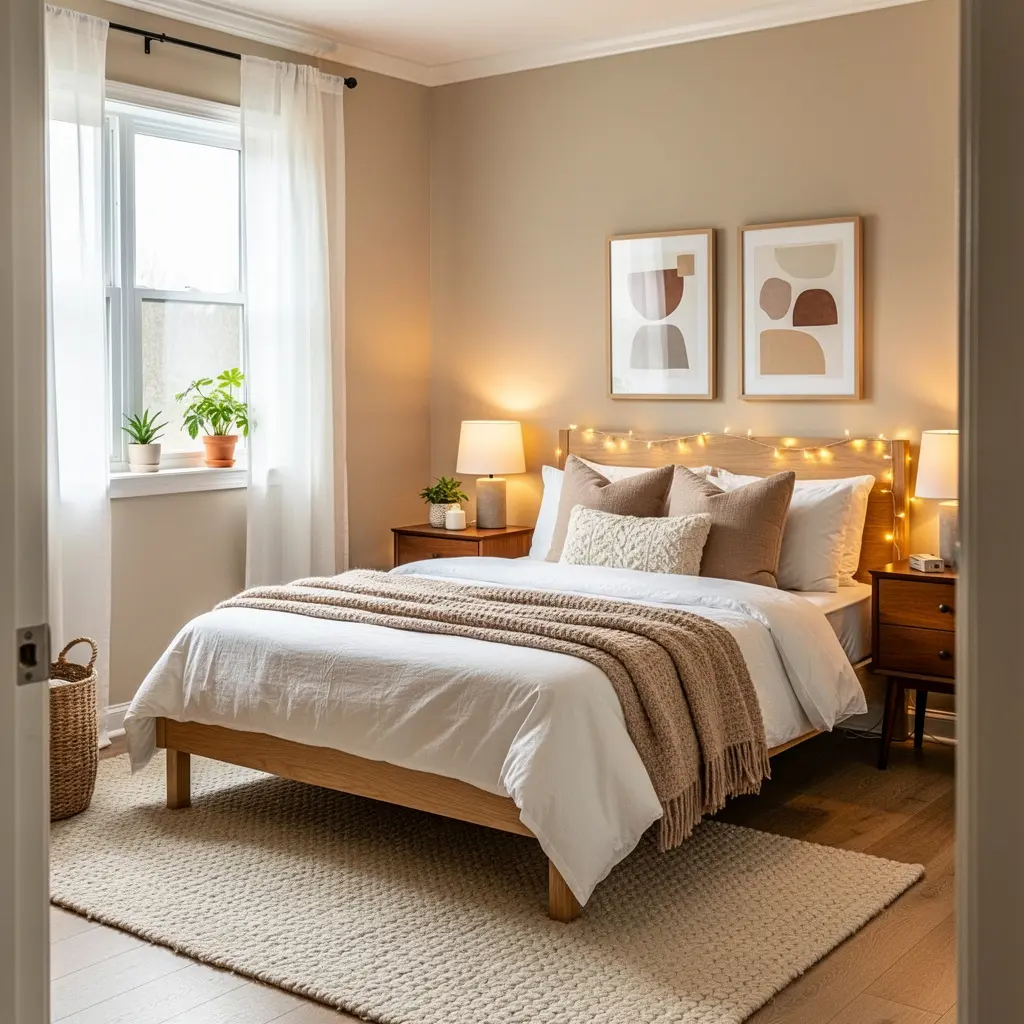
Not every dollar needs to go toward the cheapest option available. One well chosen piece, whether that’s a slightly nicer lamp, a genuinely good quality rug, or one real piece of art rather than a print, can anchor an otherwise budget conscious room and make it feel less like a collection of cheap finds.
Choosing this one splurge item early, before spending the rest of the budget, helps everything else in the room get chosen to support it rather than compete with it for attention.
Mistakes to Avoid
- Spending most of the budget on new furniture before addressing paint and lighting
- Skipping a declutter pass before adding new decor to the room
- Hanging curtains too short or too close to the window frame
- Filling a gallery wall with mismatched colors and no unifying element
- Relying on a single harsh overhead light instead of layering warmer sources
- Buying several cheap items instead of choosing one worthwhile splurge piece
Frequently Asked Questions
What’s the single most impactful budget change for a bedroom? Paint tends to offer the biggest visual shift for the lowest cost, since a full wall color change affects how every other element in the room reads.
Do I need new furniture for a bedroom to feel updated? Not necessarily. Paint, lighting, bedding, and rearranging existing furniture often make a bigger visual difference than replacing furniture that’s still functional.
How much does a full budget bedroom makeover typically cost? A meaningful refresh covering paint, new bedding, lighting, and a few textiles can often be done for $200 to $500, depending on room size and existing furniture condition.
Is thrifted decor a good option for an aesthetic bedroom makeover? Yes. Thrifted frames, art, and small furniture pieces, especially when unified with paint or a consistent color palette, can look intentional rather than mismatched.
Should I declutter before or after decorating a bedroom? Before. Decluttering first makes every other change, from paint to new textiles, look more effective, since it removes visual noise the new decor would otherwise compete with.
Conclusion
A budget friendly aesthetic bedroom makeover works best when the spending goes toward paint, lighting, and textiles before furniture, since those changes shift a room’s entire mood for a fraction of the cost. Declutter first, choose one worthwhile splurge item, and layer in warmth through bedding, curtains, and lighting rather than chasing an expensive furniture overhaul. A room transformed this way holds up just as well in person as it does in the photos that inspired it in the first place. Work through the changes in order, paint, lighting, textiles, and only add furniture once everything else has had a chance to make its impact.