10 Aesthetic Teen Bedroom Ideas for a Stylish and Cozy Personal Space
A teen bedroom that still has the same bedspread and wall color from elementary school doesn’t match who they are anymore, and they know it. That gap between how a room looks and how a person actually feels is the real problem behind most requests for aesthetic teen bedroom ideas. The fix isn’t a full renovation. It’s a handful of intentional changes, layered lighting, a gallery wall, better textiles, that turn a generic room into a space that feels like theirs. Picture a corner with string lights strung along a headboard, a floor mirror leaning against the wall, and a stack of paperbacks on a nightstand. That’s the kind of room this article is going to help build.
1. Start With a Mood Board Before You Buy Anything
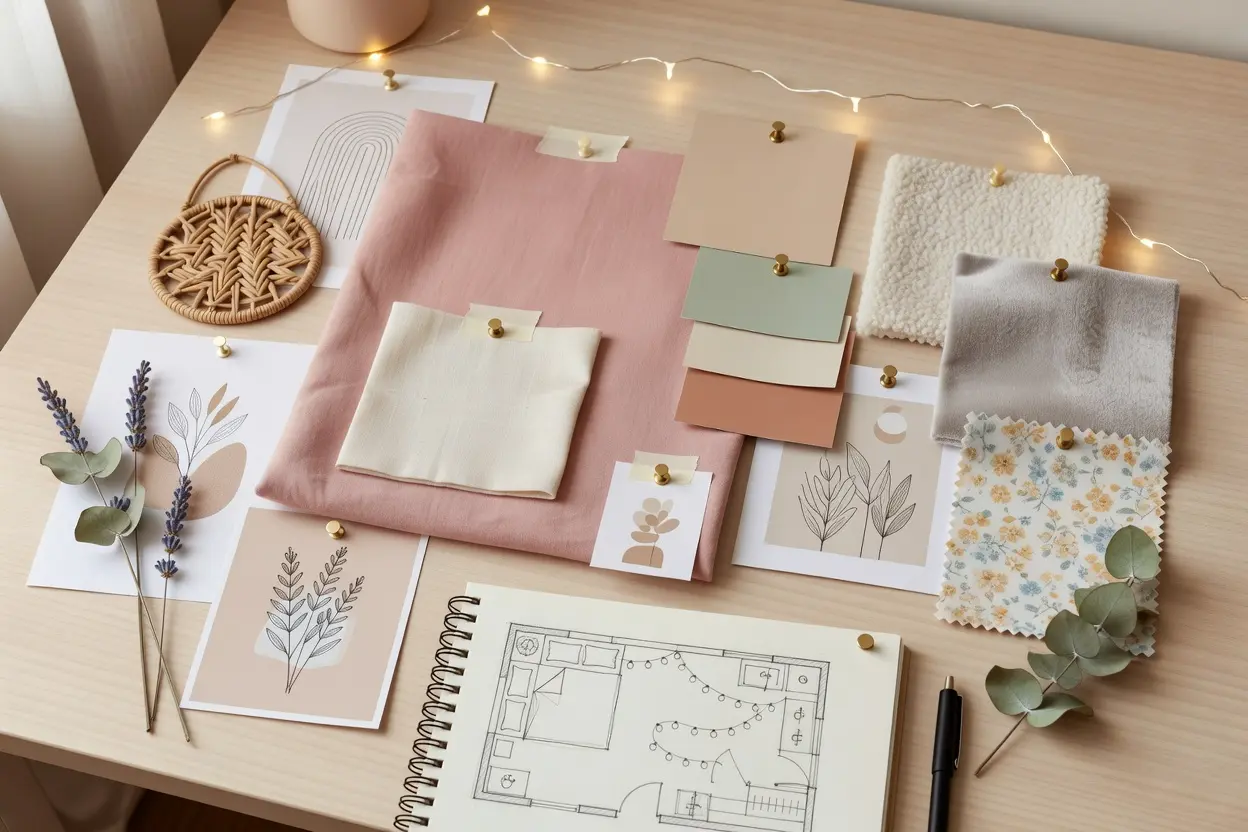
Before any purchase happens, spend twenty minutes pulling images that actually resonate. This isn’t about picking a single aesthetic label like cottagecore or minimalist. It’s about noticing patterns. Do the saved images lean toward warm wood tones or cool grays? Lots of plants or bare surfaces? A mood board keeps a $200 budget from turning into five mismatched impulse buys.
Why This Step Gets Skipped
Most people jump straight to shopping because a mood board feels like extra work. But skipping it usually means buying a trendy item that clashes with everything else in the room within a month. Fifteen minutes of planning saves a return trip to the store.
2. Layer Lighting Instead of Relying on One Overhead Fixture
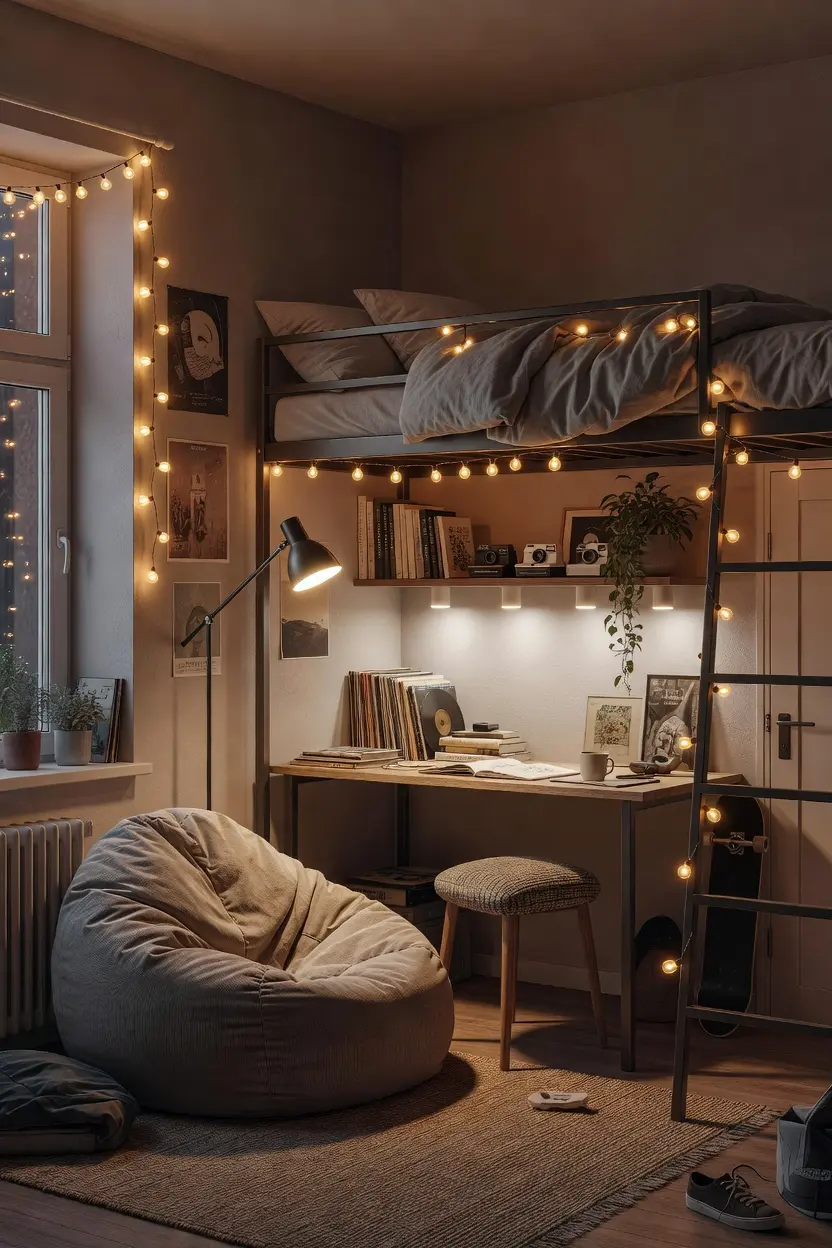
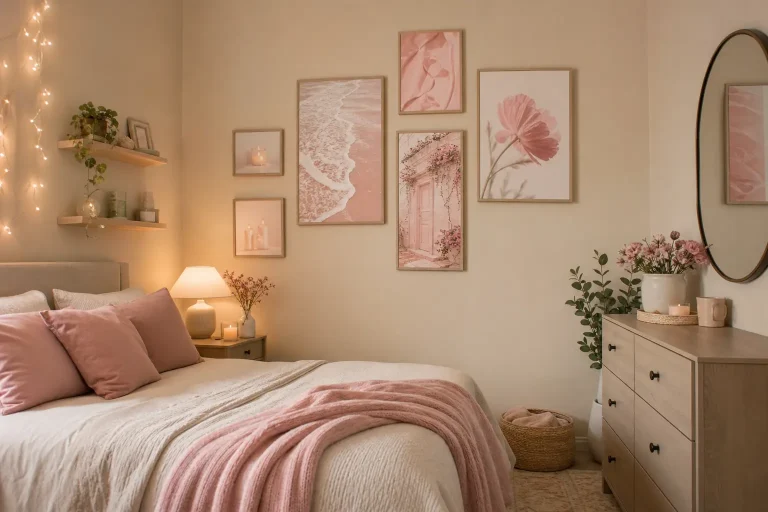
A single ceiling light makes any room feel like a waiting room. Aesthetic teen bedroom ideas almost always include at least three light sources: a ceiling or overhead light, a desk lamp, and something softer like string lights or a small table lamp with a warm bulb. Warm white bulbs, around 2700K to 3000K, read as cozy. Cool white bulbs, above 4000K, read as clinical.
A $15 to $25 warm LED string light along a headboard or window frame does more visual work than almost any other single purchase in this list. It’s cheap, it’s removable for renters, and it instantly softens a room after dark.
3. Build a Gallery Wall That Reflects Their Actual Interests
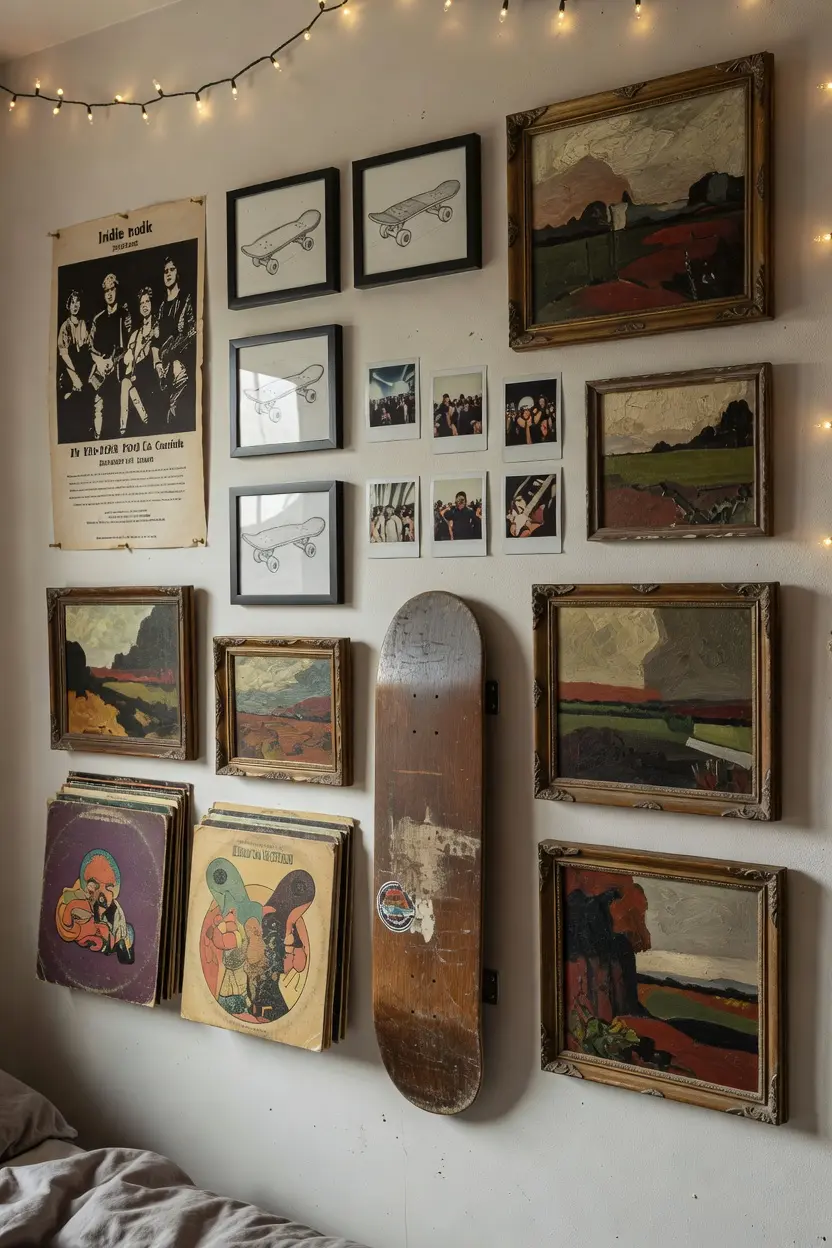
A gallery wall works because it’s personal, not because it’s trendy. Mix printed photos, concert tickets, postcards, and a couple of actual art prints instead of buying a matching set of frames. Uneven frame sizes and finishes, some black metal, some raw wood, some no frame at all, make the wall feel collected over time rather than bought in one trip.
A Simple Layout That Works
Start with the largest piece slightly above eye level, then build outward with smaller pieces. Leave two to three inches of breathing room between frames. Command strips with hooks handle most gallery walls without any wall damage, which matters in a rental or a room that will get repainted eventually.
4. Choose a Color Palette That Isn’t Just One Color
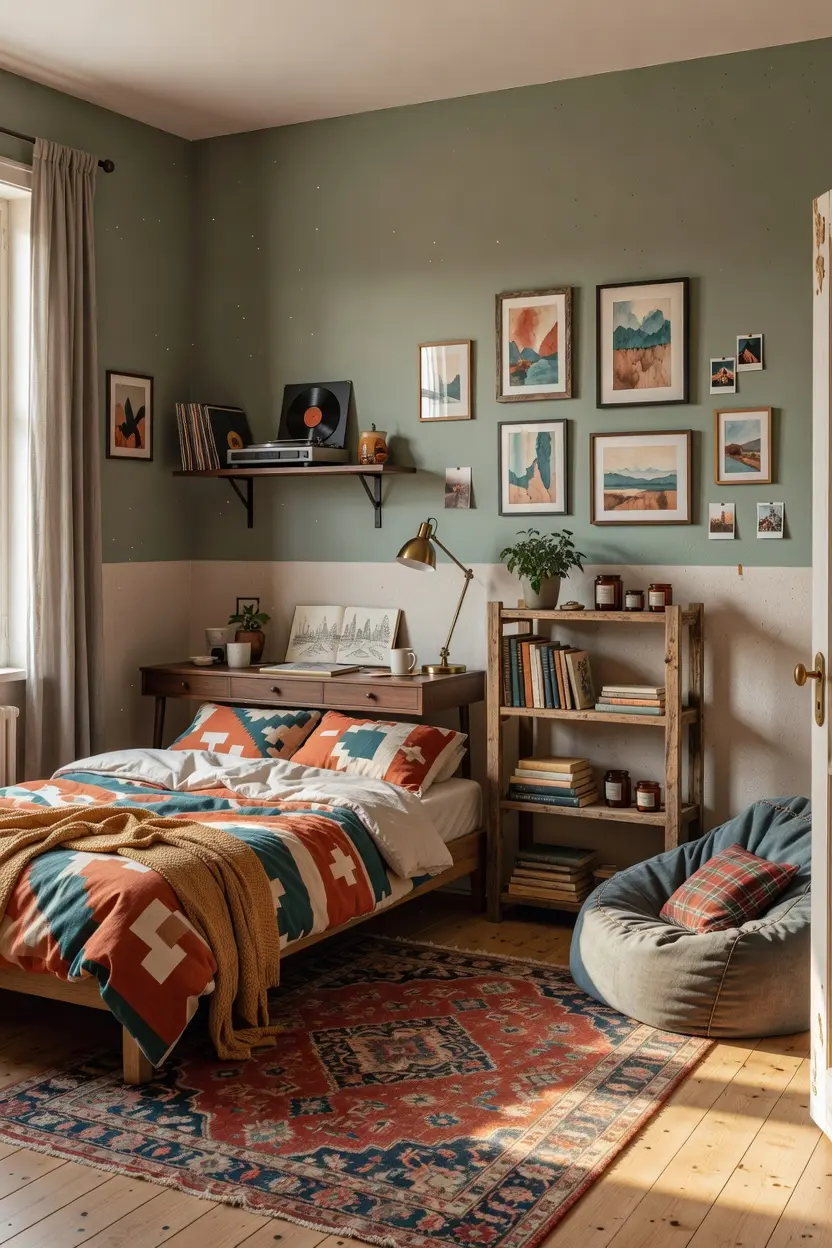
A single paint color on all four walls can feel flat. A stronger approach uses one dominant neutral, like a soft greige or warm white, plus one accent color the teen actually likes, plus one metallic or wood tone for contrast. Think sage green bedding against warm oak furniture and brushed gold picture frames.
If a full repaint isn’t an option, an accent wall behind the bed does most of the same visual work for a fraction of the cost and effort. Peel and stick wallpaper in the $30 to $60 range per roll is a renter friendly way to test a bolder pattern without commitment.
5. Add a Cozy Reading or Hangout Nook
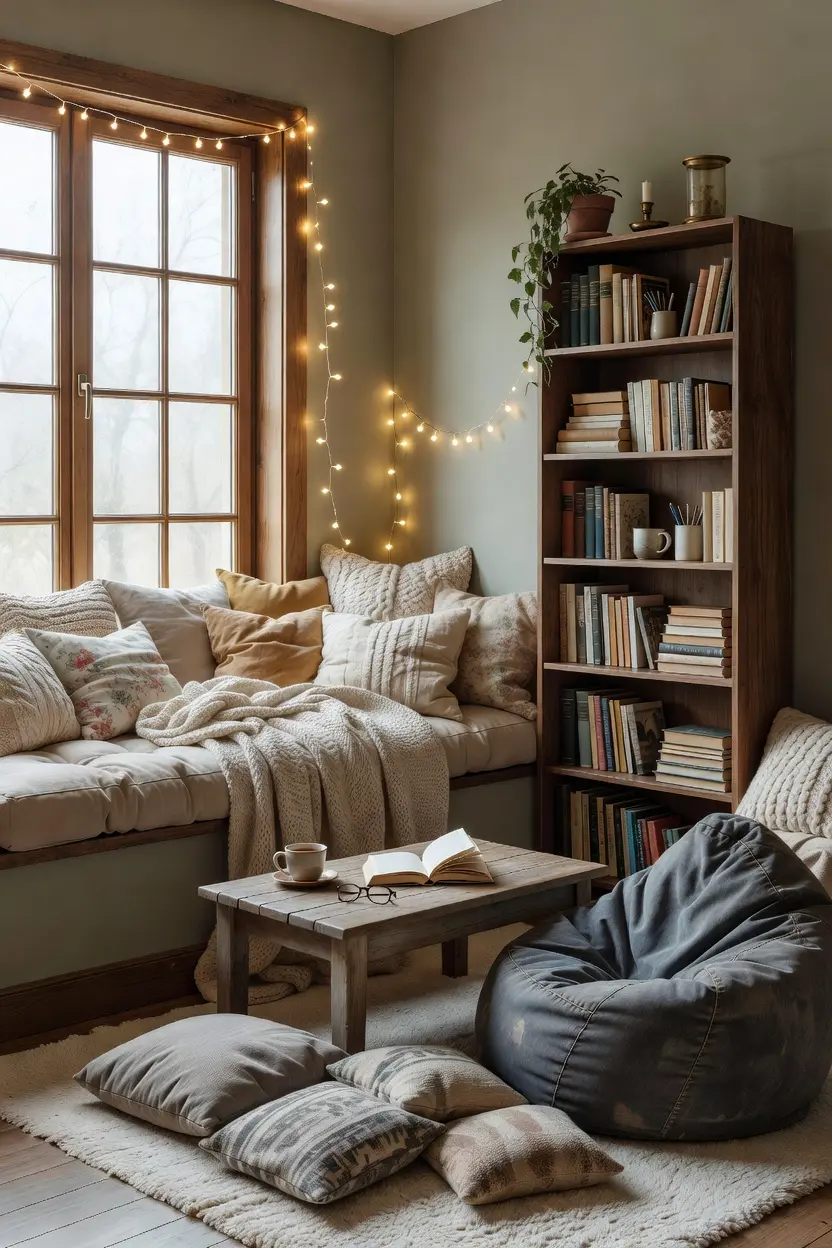
Even a small unused corner, three feet by three feet is often enough, can become a nook with a floor cushion, a small side table, and a reading lamp. This gives the room a second “zone” beyond the bed and desk, which makes a small space feel bigger because it has more than one purpose.
A secondhand armchair reupholstered or covered with a throw blanket costs far less than buying new and adds more personality than a mass produced accent chair.
6. Upgrade the Bedding for an Instant Style Shift
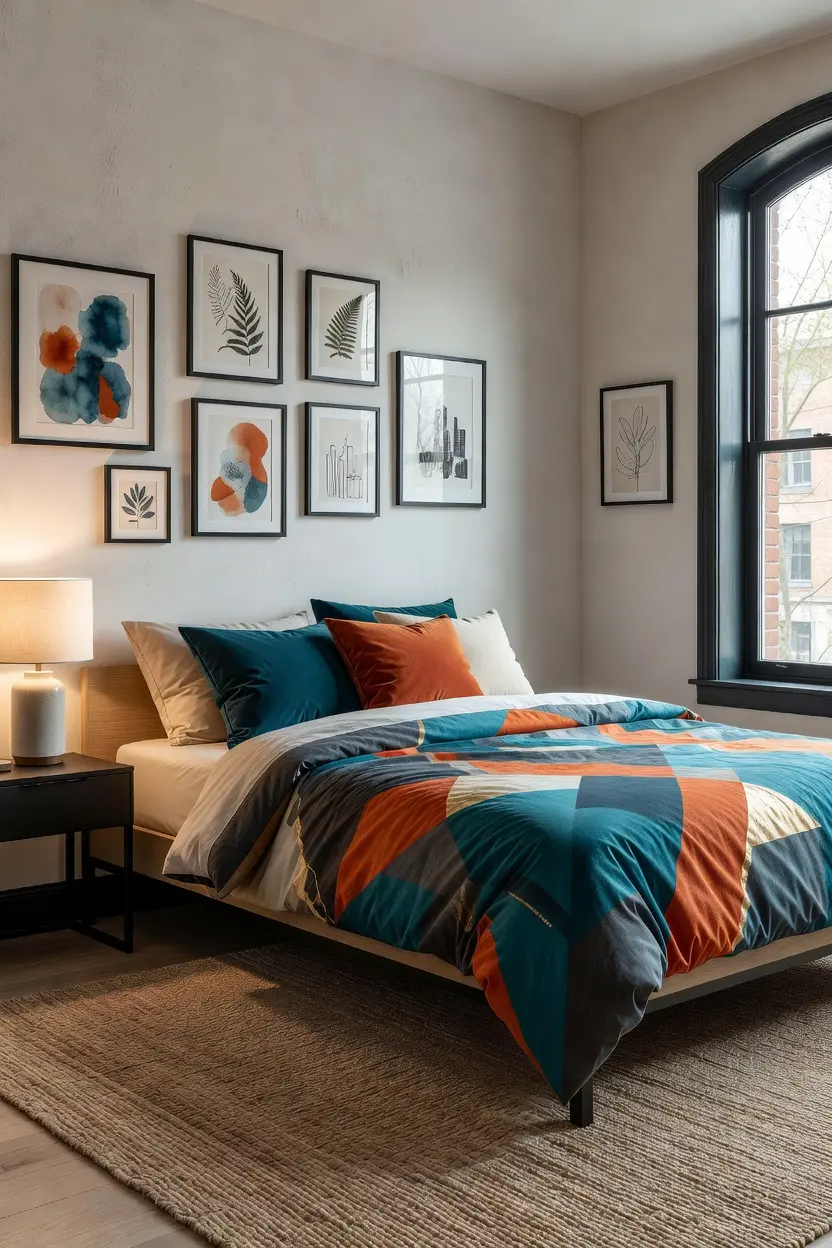
Bedding covers more visual square footage than almost anything else in the room, so it has an outsized effect on the overall aesthetic. A textured duvet cover, waffle weave, boucle, or a chunky knit throw, adds depth that a flat cotton set doesn’t. Layering three elements, a duvet, a throw blanket, and two to three accent pillows, creates the “made up” look that photographs well and feels good to actually sleep in.
Budget for this one if the money has to go somewhere. A $50 to $90 duvet cover in a good texture will do more for the room’s feel than several smaller decor pieces combined.
7. Use Textiles to Add Warmth and Texture
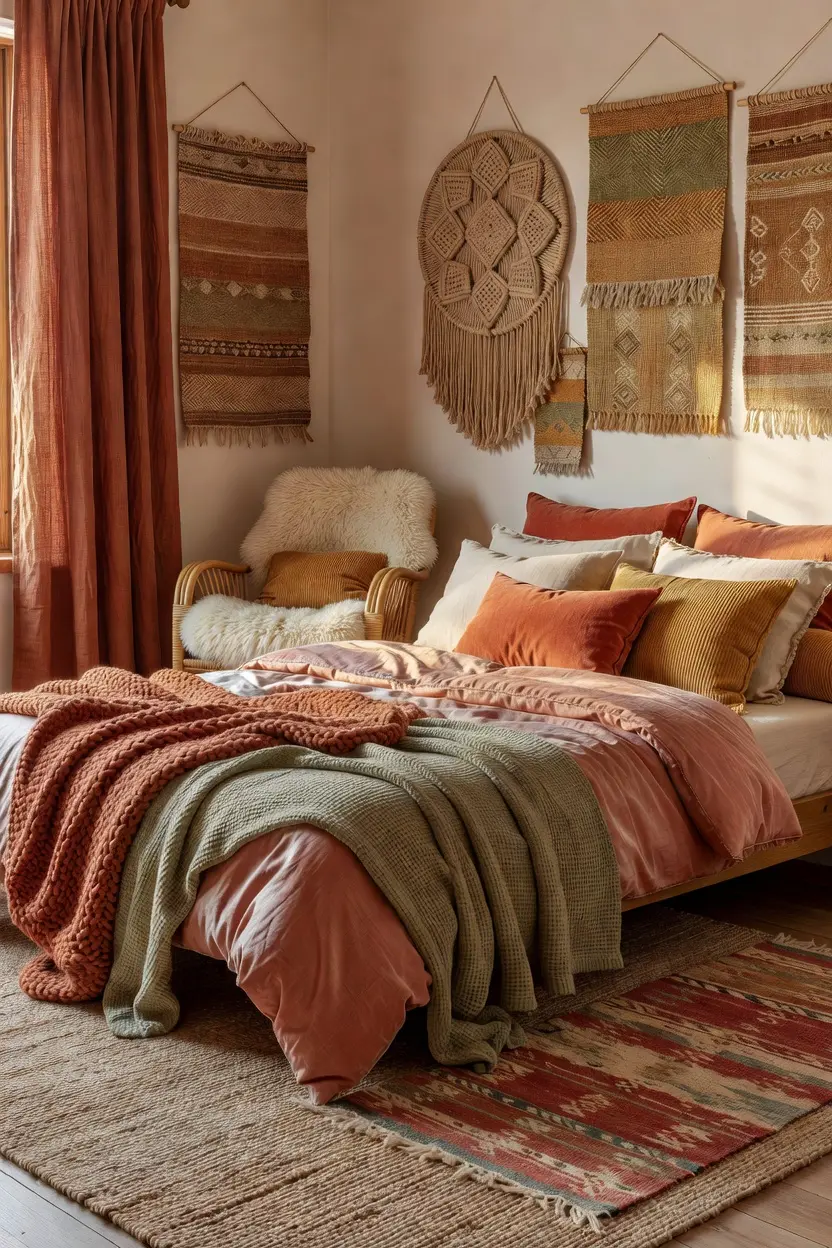
Beyond bedding, a room needs soft surfaces to avoid feeling sterile. A layered rug, even a smaller 4×6 foot rug placed at an angle under a desk chair or beside the bed, adds warmth. Curtains in a heavier fabric than the standard sheer panel block more light and add visual weight to a window that might otherwise feel bare.
Mixing textures matters more than matching colors exactly. A knit throw, a woven basket, and a smooth ceramic lamp base sitting near each other reads as intentional, not chaotic.
8. Get Smart About Storage Without Losing the Vibe
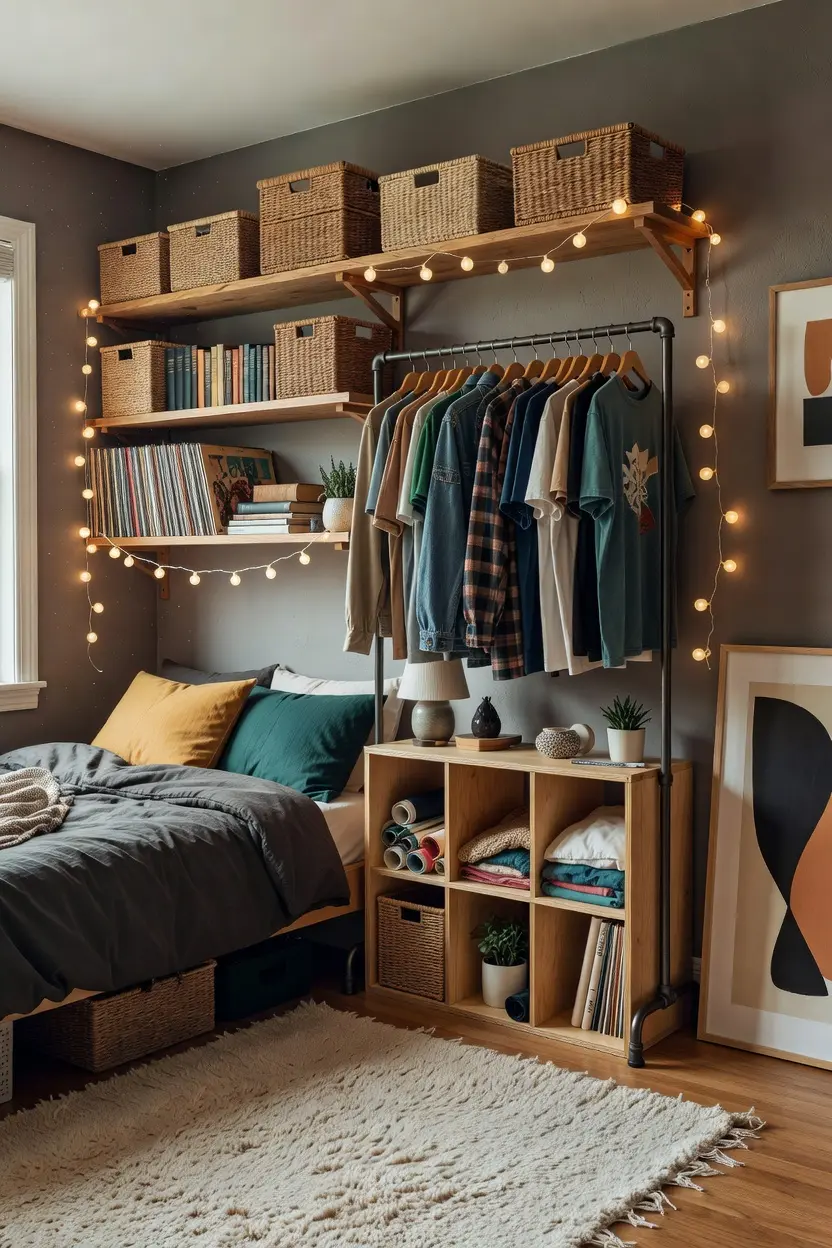
Clutter undoes an aesthetic faster than almost anything else. Closed storage, baskets, bins, a bench with a lid, hides daily mess without looking like a storage unit. Open shelving works for items that are genuinely nice to look at: books, a small plant, a couple of framed photos, but should stay under 70 percent full to avoid looking crammed.
A Quick Rule for What Stays Visible
If an item doesn’t add to the room’s look or get used daily, it belongs in closed storage. Everything else earns its spot on an open shelf.
9. Bring in Plants or Greenery for a Softer Feel
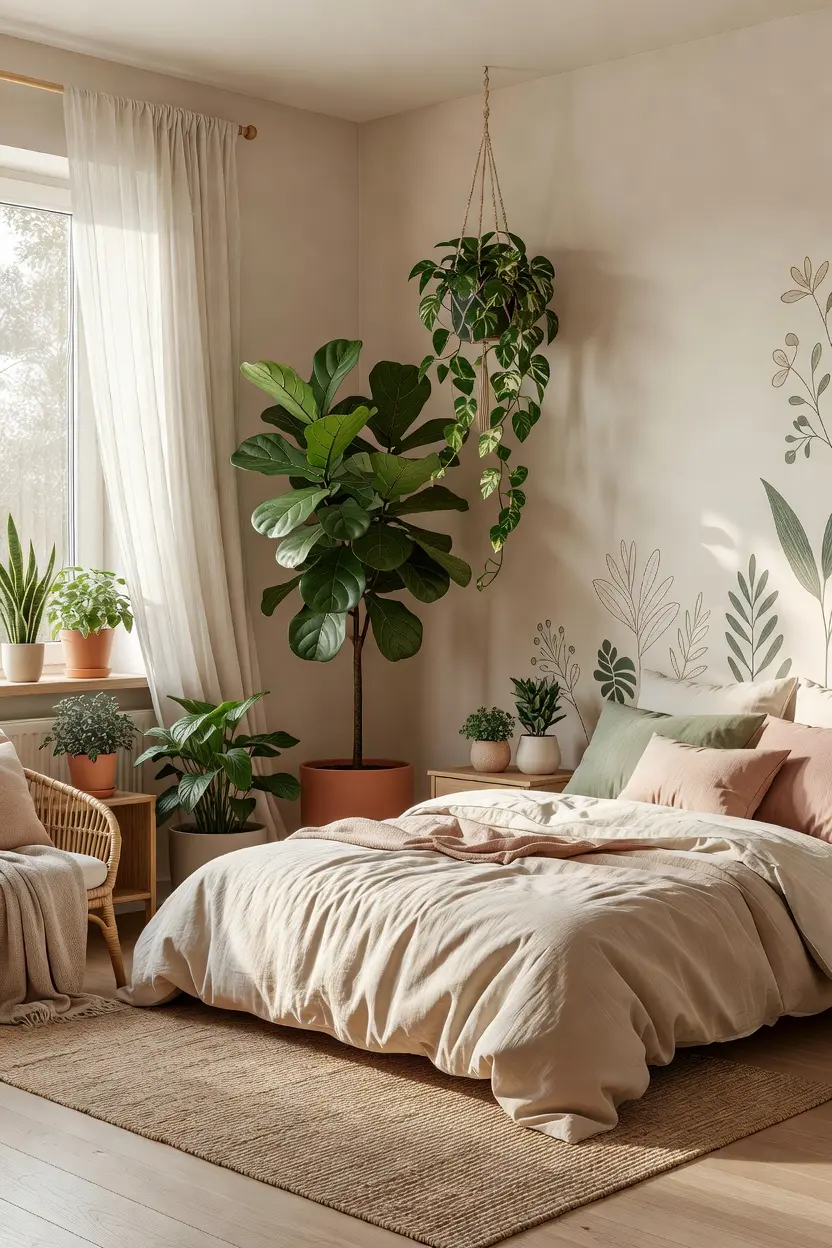
A real low maintenance plant, pothos and snake plants both tolerate inconsistent watering and lower light, adds life to a room in a way that decor objects can’t replicate. For teens who travel often or forget to water, a well made faux plant in a textured ceramic pot still adds the same visual softness without the upkeep.
One larger plant in a corner has more impact than several tiny ones scattered around, since it reads as an actual design element rather than an afterthought.
10. Make the Desk Area Feel Like Part of the Room, Not an Afterthought
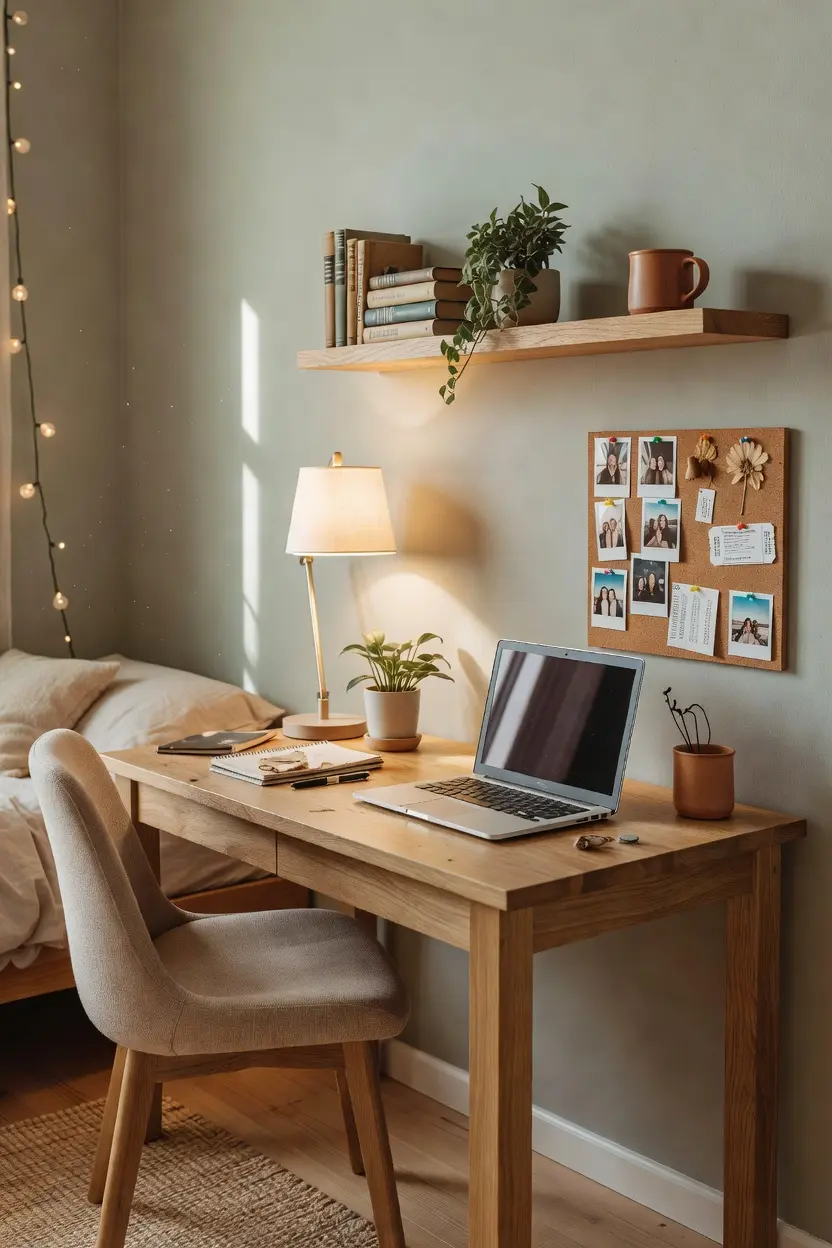
A desk that looks like a leftover office supply doesn’t match a room that’s otherwise been thought through. A woven desk organizer, a small lamp that matches the room’s metal finishes, and a corkboard or magnetic board dressed up with the same photos from the gallery wall tie the workspace into the rest of the design.
Keeping cords managed with a $10 clip or sleeve and clearing the desk surface each night makes the whole area photograph, and function, better.
Mistakes to Avoid
- Buying every item from one trend at once instead of building the room gradually
- Choosing only cool white lighting, which makes a bedroom feel like an office
- Overcrowding open shelves until they look cluttered instead of curated
- Skipping a rug or textiles and leaving the room feeling cold and unfinished
- Matching every frame and object exactly instead of allowing some visual variation
- Forgetting to measure the space before buying furniture or a rug
Frequently Asked Questions
What’s the cheapest way to update a teen bedroom? Bedding and lighting changes cost the least relative to their visual impact. A new duvet cover and a set of warm string lights can transform a room for under $100.
How do I make a small teen bedroom feel bigger? Use a rug placed at an angle, keep furniture off the walls by a couple of inches, and stick to a light, cohesive color palette. Avoid oversized furniture that eats up floor space.
Is it okay to mix different aesthetics in one room? Yes. Most rooms that feel genuinely personal borrow from more than one style. The key is a consistent color palette and thoughtful texture choices, not a strict single label.
What lighting temperature works best for a cozy bedroom? Warm white, around 2700K to 3000K, reads as cozy and relaxed. Save cooler, brighter bulbs for task lighting like a desk lamp.
How often should teen bedroom decor be updated? There’s no fixed timeline, but swapping smaller elements, pillow covers, a gallery wall photo, every six months to a year keeps the room feeling current without a full redo.
Conclusion
An aesthetic teen bedroom isn’t built in one shopping trip. It comes together through a handful of intentional layers: better lighting, a personal gallery wall, warmer textiles, and storage that keeps the room from feeling cluttered. Start with one or two changes, the lighting and the bedding usually make the biggest difference, and build from there. The room will end up looking pulled together because it actually reflects the person living in it, not because every piece came from the same collection.