10 Dream Tree Retreat Garden Ideas for a Backyard Escape
You step into your backyard hoping for a moment of quiet. Instead you get a plain patch of grass and a fence, nothing that feels like a retreat at all. That flat, uninspired outdoor space is exactly what a tree retreat garden is meant to fix. It doesn’t require acres of land or a professional landscape crew. Just one idea: use the trees you already have, or a few new ones, as the anchor for a small, layered escape that feels genuinely apart from the rest of the yard, whether that means an elevated treehouse or simply a shaded seating nook tucked beneath the branches.
1. Choose Natural or Reclaimed Materials for Any Structure
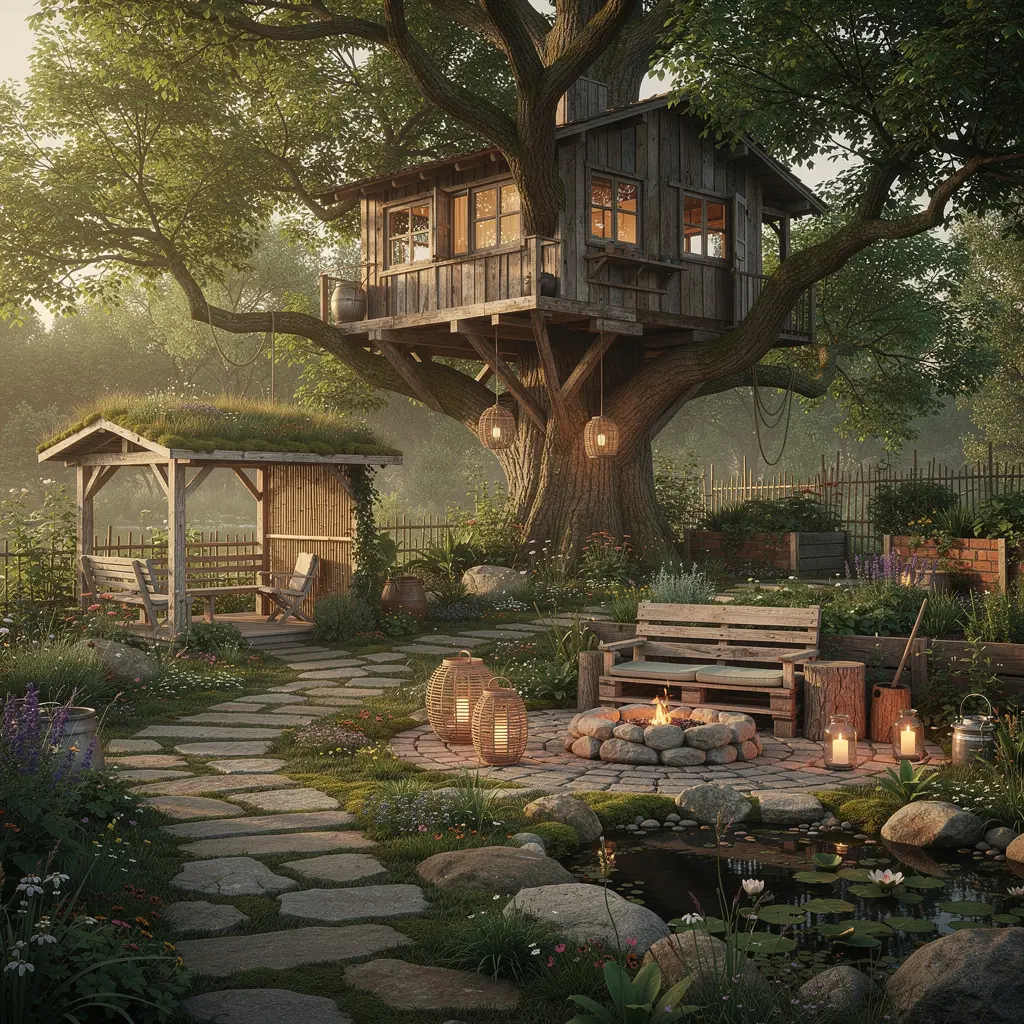
Wood and stone make a treehouse or garden structure look like it’s always belonged in that spot. Reclaimed wood especially gives a structure a settled, established feel almost immediately, since the material already carries age and character before it’s even built. Even a small platform or seating nook benefits from this choice over anything that reads as too new or too polished.
A retreat is supposed to feel like an escape from the manicured, obviously designed parts of the yard. Reclaimed wood and natural stone blend into the surrounding trees and soil in a way fresh lumber or poured concrete simply can’t replicate right away.
2. Design the Access Thoughtfully
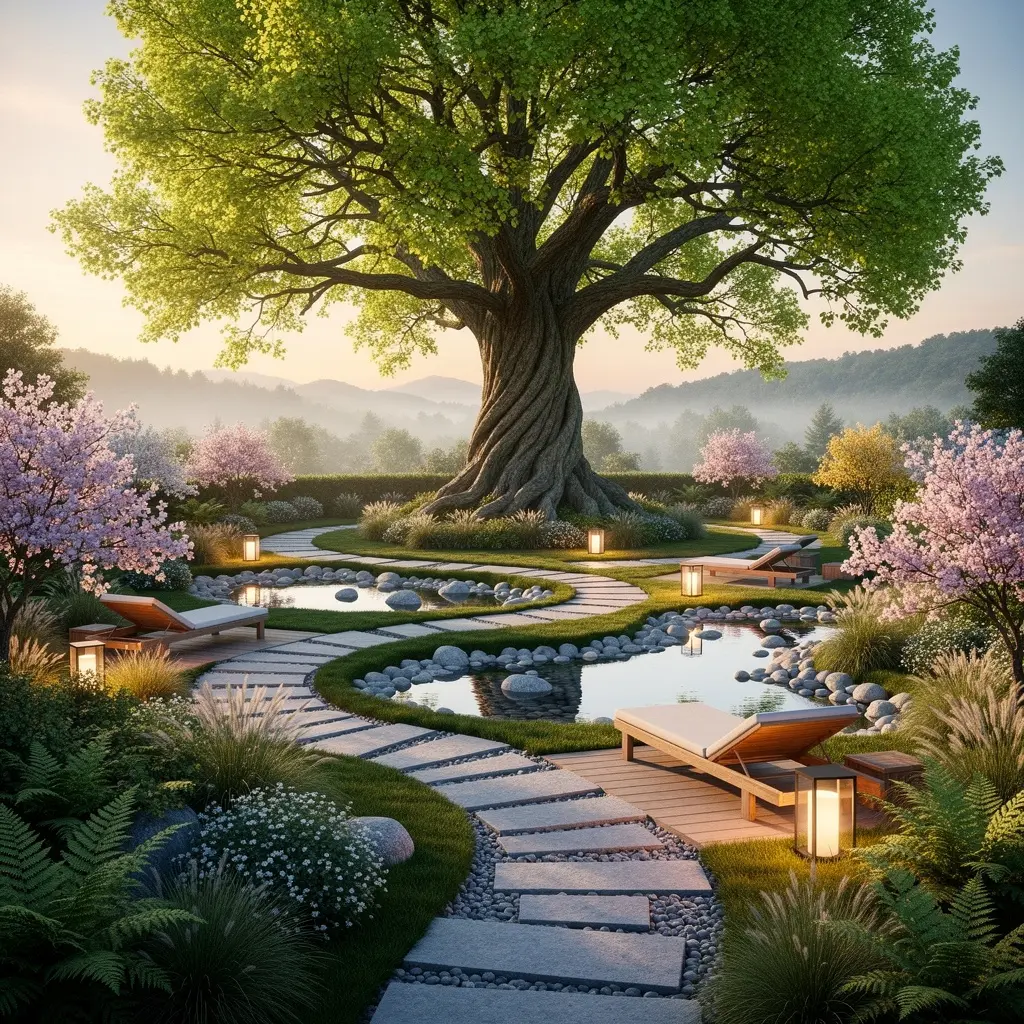
How you actually get into a treehouse or elevated platform is one of the more important decisions, and it shapes the whole feel of the structure. A classic ladder feels playful and rustic. A rope bridge adds a sense of adventure. A more formal staircase suits a retreat meant for regular, easy use rather than occasional play. The right choice depends heavily on who’s using the space and how often, so it’s worth deciding early rather than as an afterthought.
3. Add Glass Panels or Large Windows for a Modern Touch
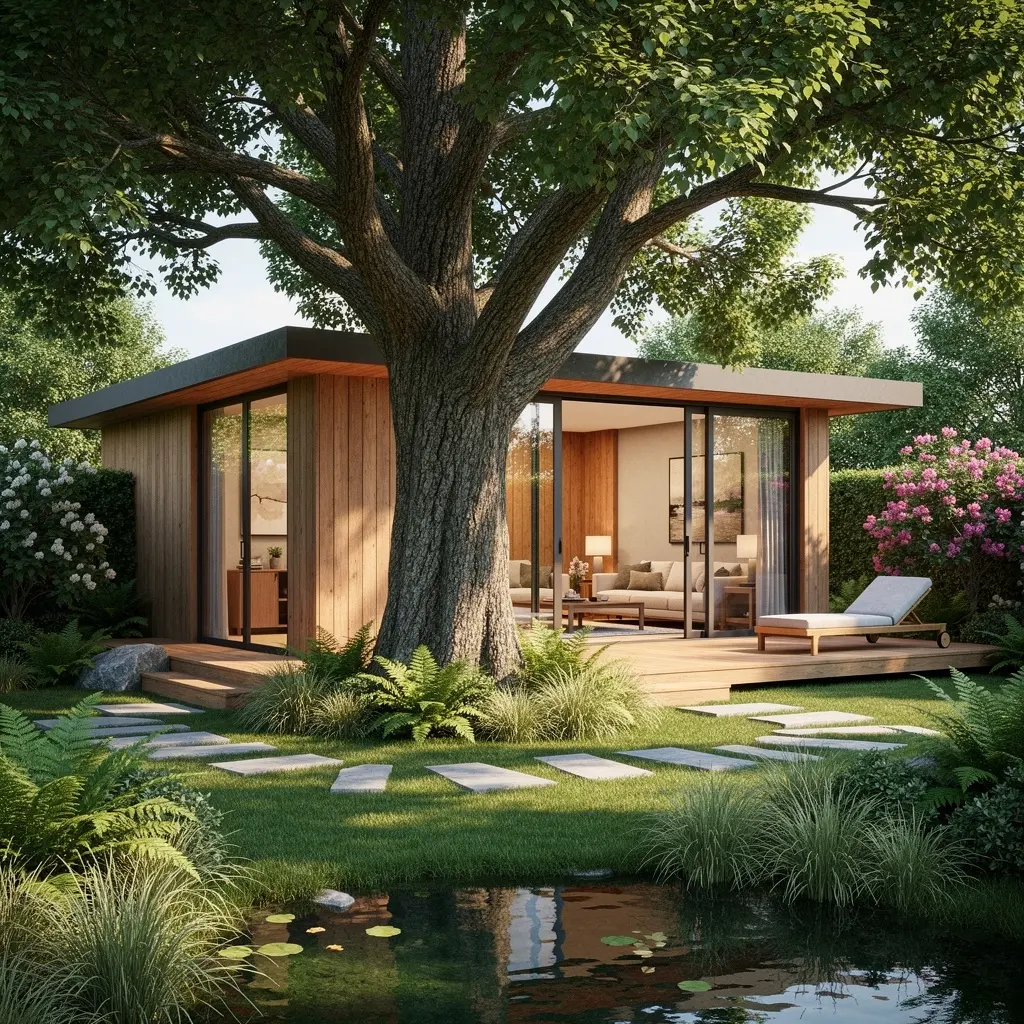
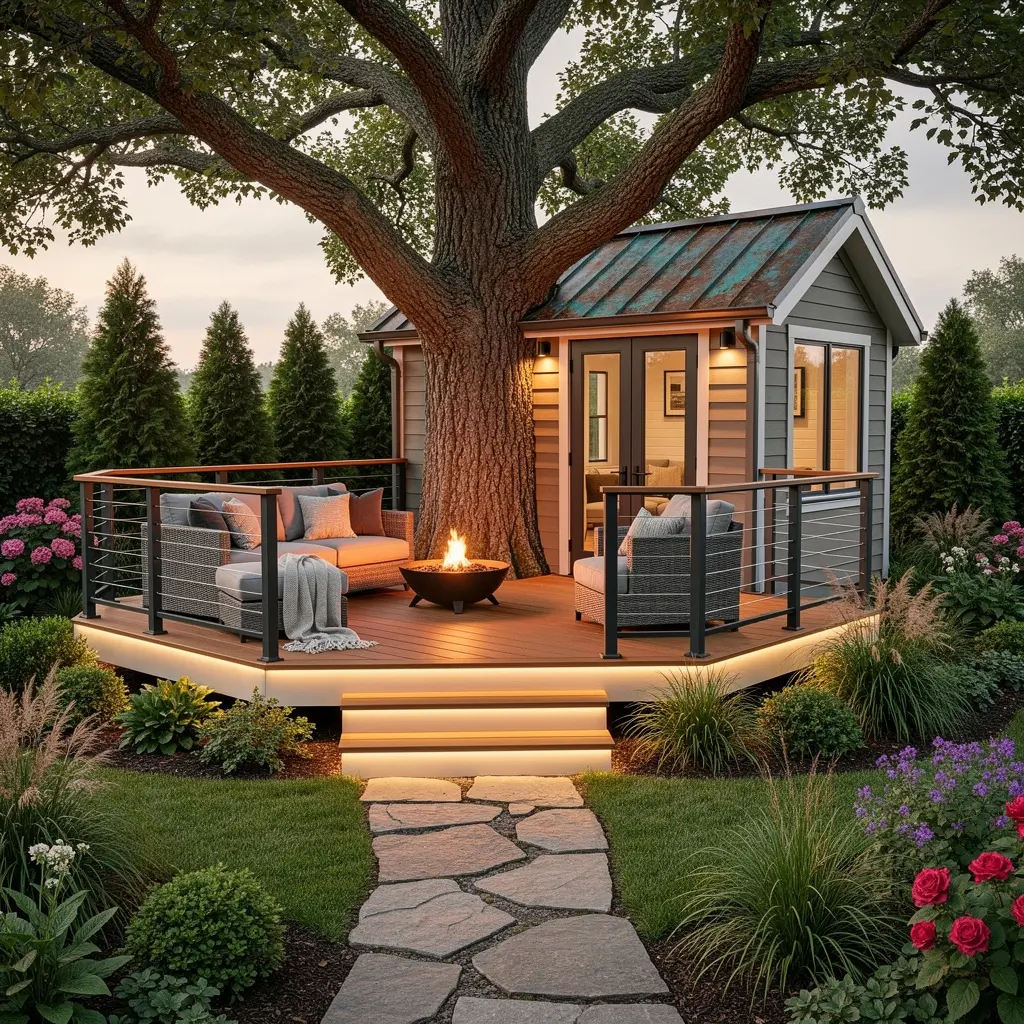
For a more architectural, adult focused retreat, glass panels and large windows bring in panoramic views of the surrounding trees while keeping the space protected from the elements. This modern approach pairs surprisingly well with a rustic wood exterior, since the glass lets the retreat feel connected to its surroundings instead of closed off from them.
Balancing Glass With Privacy
Frosted or tinted panels on the side facing a neighbor’s yard, with clear glass reserved for the view you actually want, keep the retreat feeling open without turning it into a fishbowl.
4. Include Built In Seating and Soft Lighting
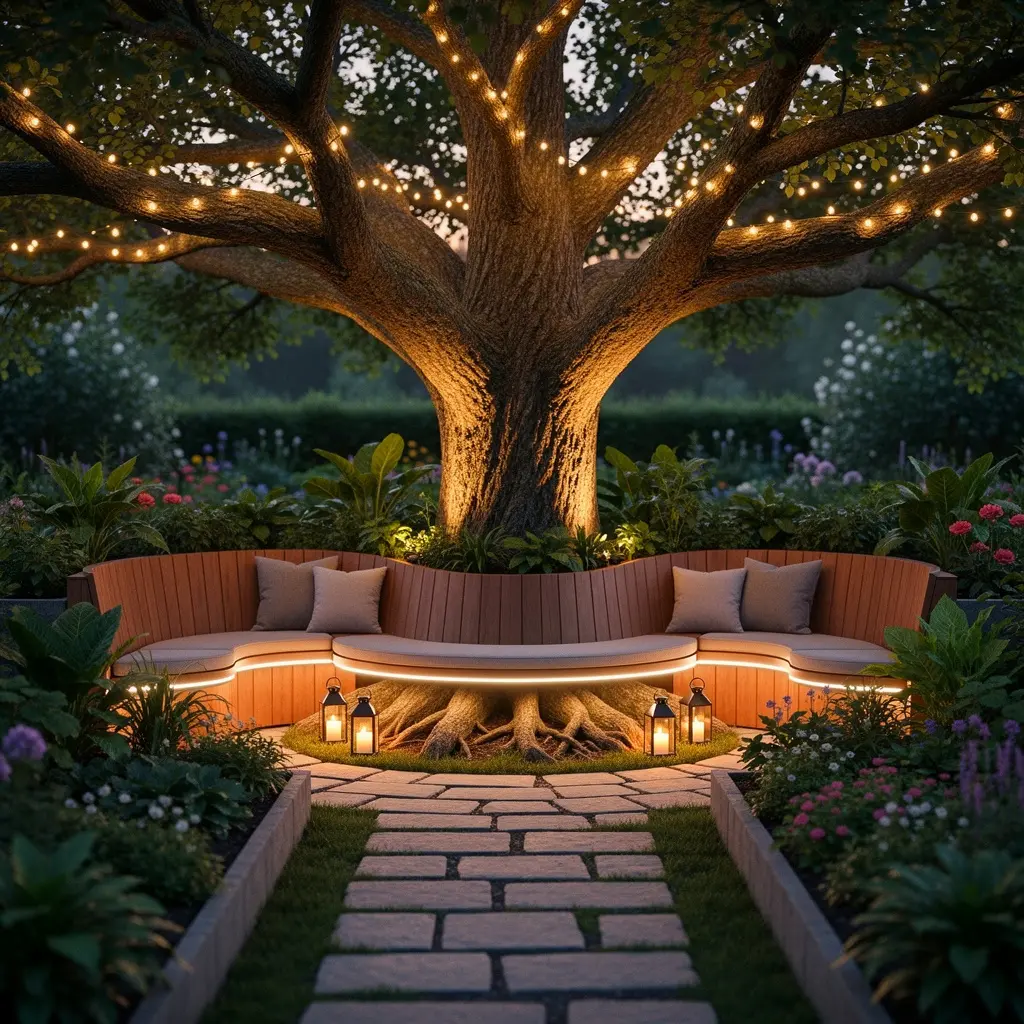
A retreat only works as a retreat if it’s genuinely comfortable to spend time in. Built in bench seating, a few cushions, warm string lights woven through the surrounding branches. That’s what turns a basic platform into somewhere you’d actually want to sit for an hour, not just glance at from the kitchen window. Once the sun sets, that warm lighting is what makes the retreat feel magical rather than simply functional.
5. Layer Flowering Plants and Climbing Vines Beneath the Structure
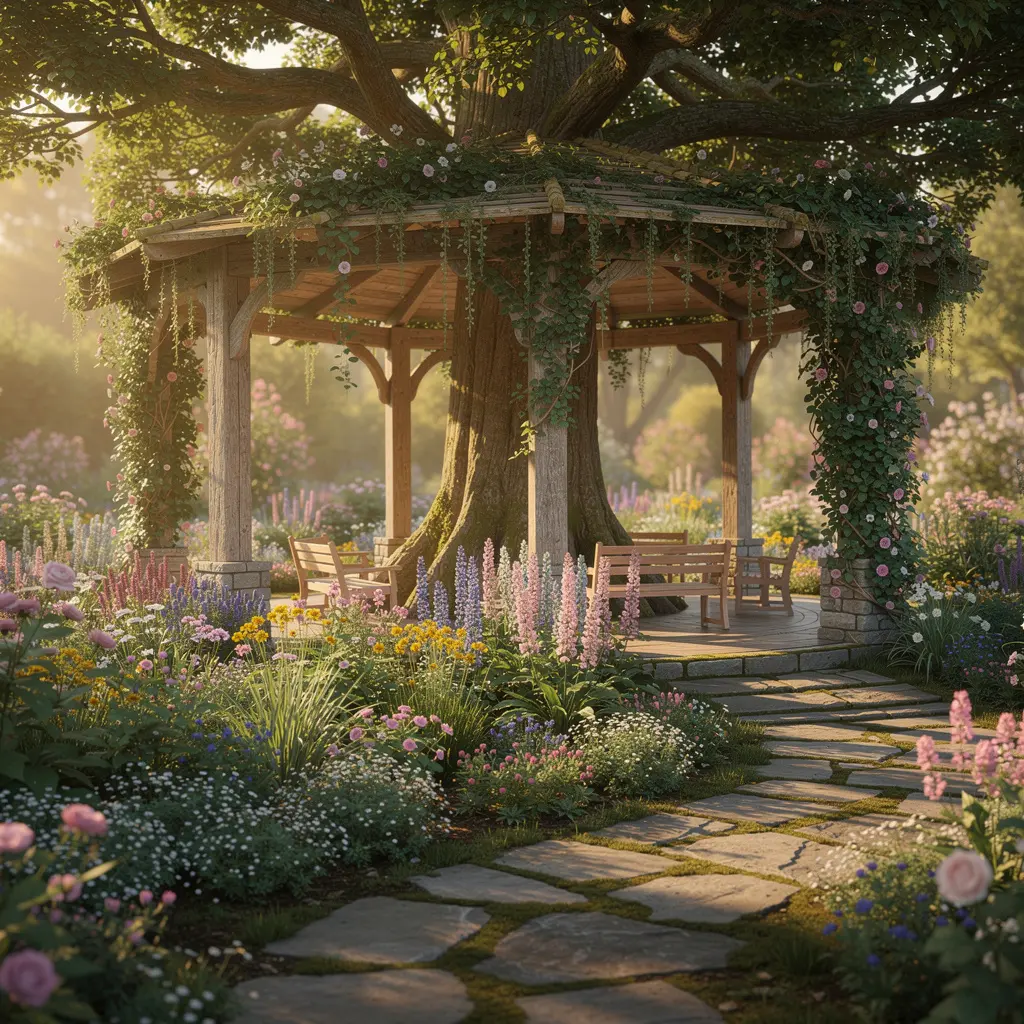
Roses, hydrangea, and climbing vines planted around the base bring color and fragrance right up to the structure itself, turning the approach into part of the experience rather than just a path. Group complementary colors together, warm reds and oranges in one area, cooler purples and blues in another, and the effect reads as intentional rather than scattered.
Combine a few taller shrubs for structure with lower flowering plants and a climbing vine trained up a nearby trellis or the tree trunk itself. This layering mimics how plants grow naturally in a woodland setting, which reinforces the sense of being tucked into nature rather than added on top of it.
6. Add a Hammock or Low Seating Beneath the Canopy
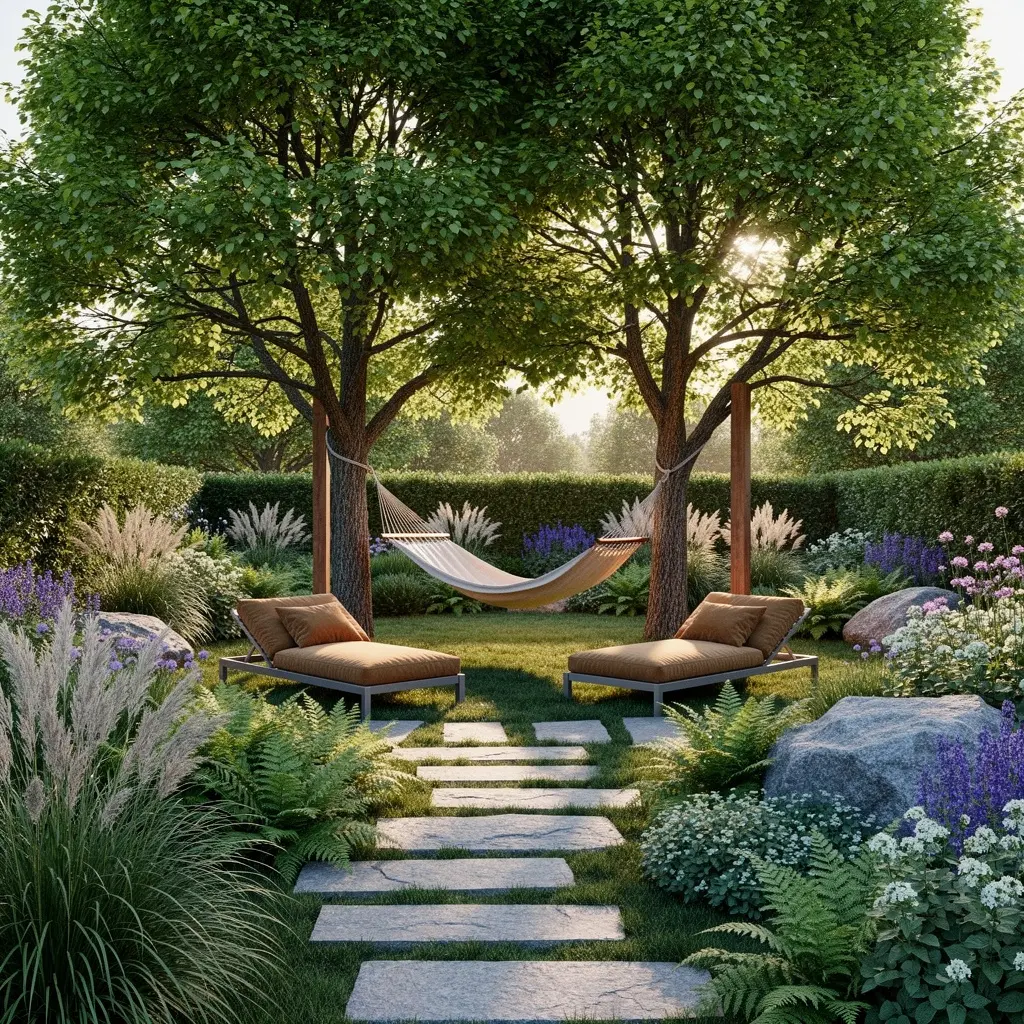
Not every tree retreat needs an elevated structure. A hammock strung between two mature trees, paired with a small rug and a low table, creates a genuinely relaxing spot with almost no construction at all. This minimal approach works especially well if a full treehouse isn’t practical, whether due to budget, tree size, or simply not wanting a permanent structure in the yard.
7. Bring In a Zen or Meditation Corner
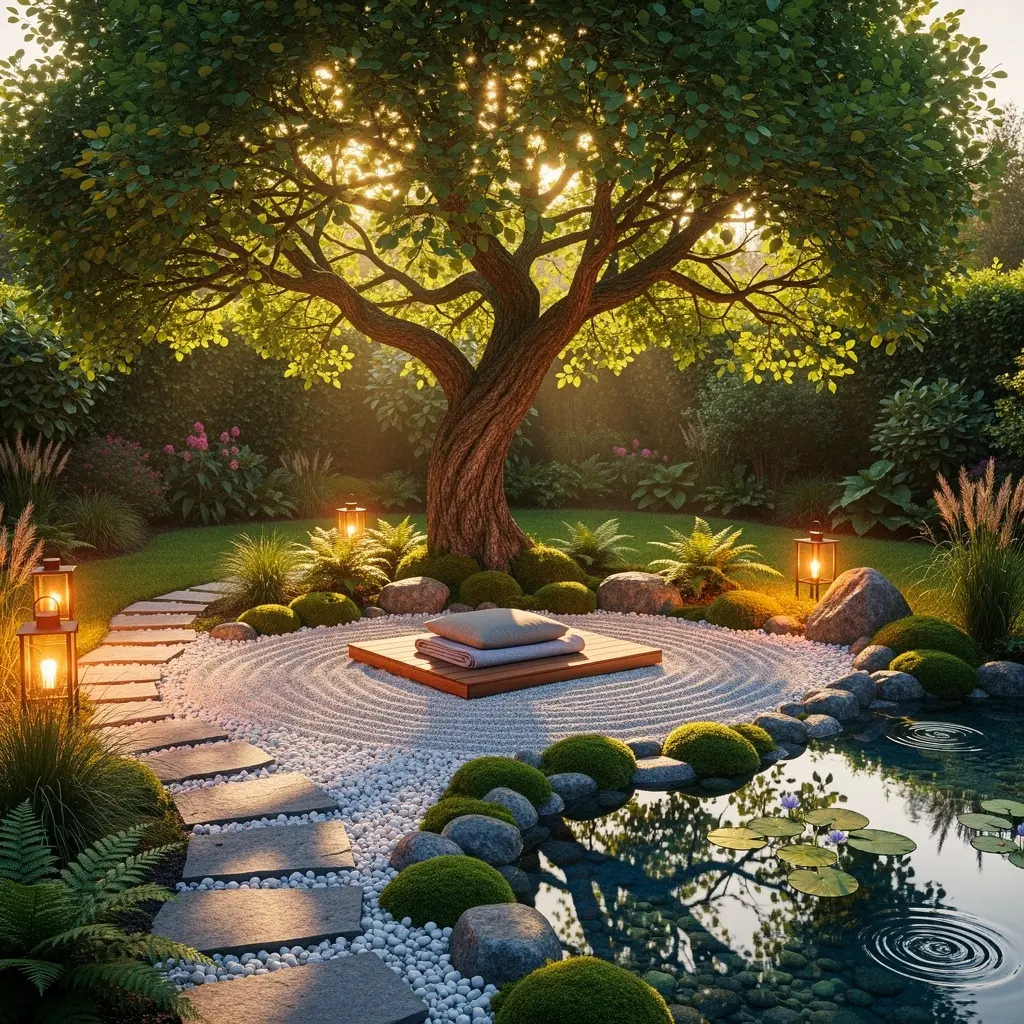
A small cleared area beneath the canopy, furnished with simple cushions or a low bench and kept deliberately sparse, gives a tree retreat a genuine sense of calm. Zen inspired corners have become a common feature in backyard retreats specifically because they don’t compete with the surrounding trees for attention. The simplicity is the whole point.
8. Choose Insulated, Weather Resistant Materials for Year Round Use
If the goal is a retreat you can actually use beyond a few warm months, insulated walls and weather resistant roofing extend a structure’s usefulness through more of the year. This matters especially for anyone planning to use the space as a reading nook or quiet workspace rather than purely a seasonal novelty.
9. Add a Water Feature or Micro Pond Nearby
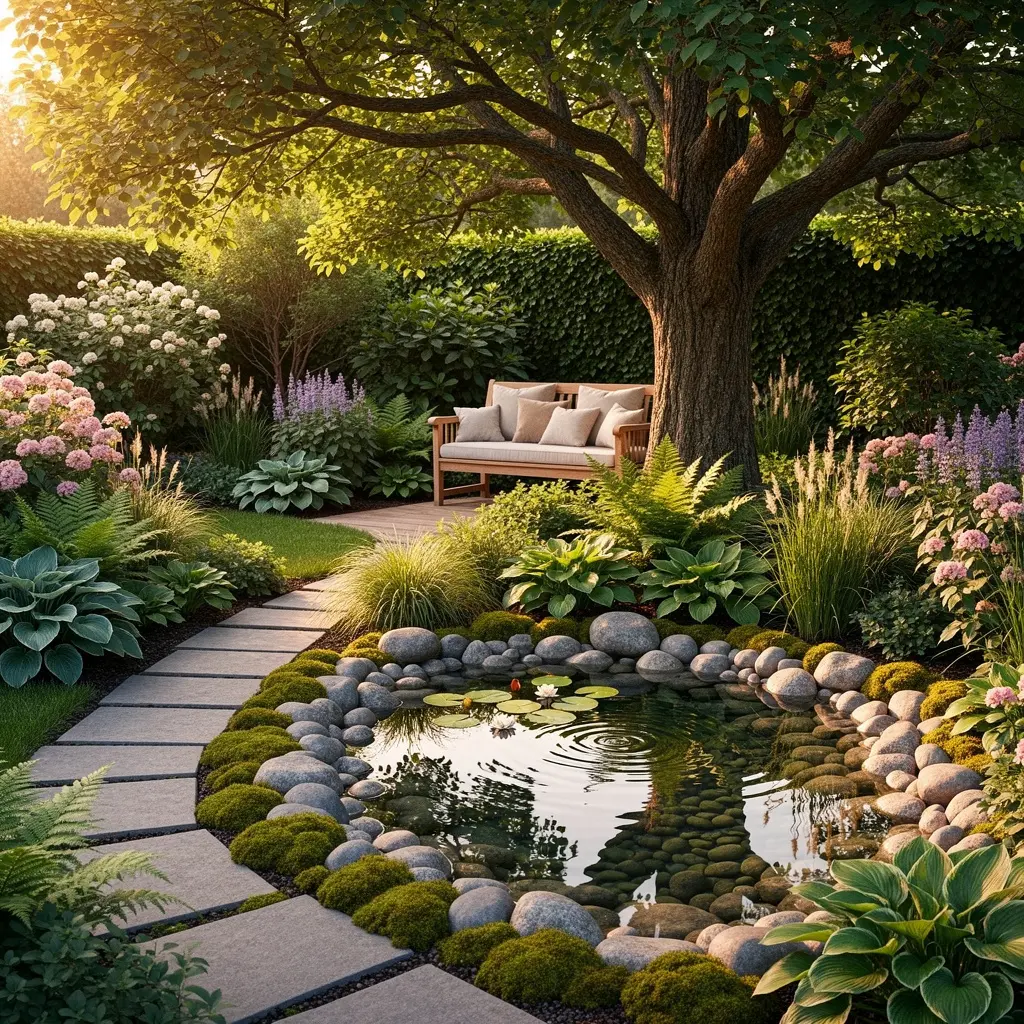
A small water feature, even something as simple as a micro pond or a compact fountain, adds a gentle, ambient sound that reinforces the retreat’s sense of separation from the rest of the yard. Water features paired with multi stem trees are an increasingly common combination in garden design right now, since together they create a layered, almost woodland like atmosphere in a relatively small footprint.
10. Keep the Overall Design Loose and Unforced
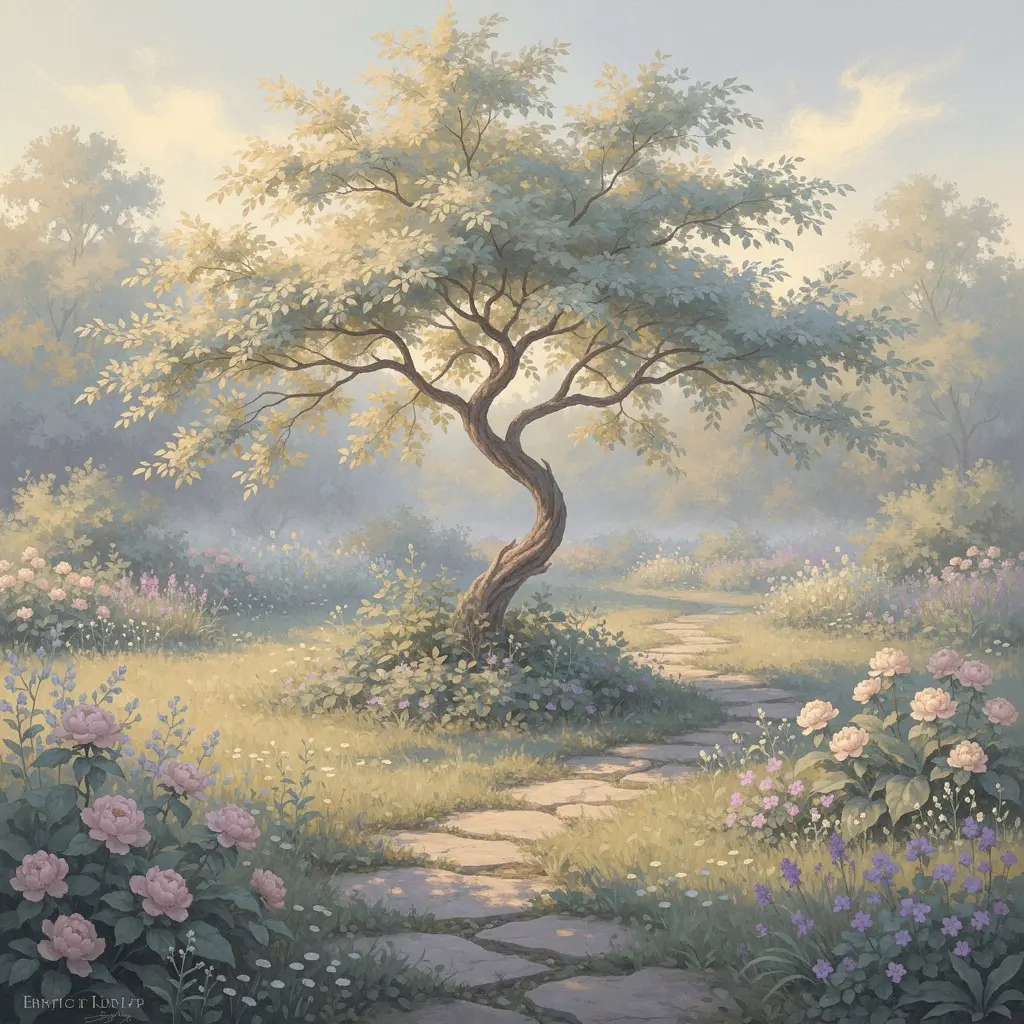
A tree retreat earns its calming quality partly by not feeling overly designed or precious. Slightly irregular planting, natural material choices, a layout that follows the existing trees rather than fighting against them. All of it contributes to a space that feels discovered rather than imposed on the landscape. Urban wilderness style gardens in particular lean into this “not precious” quality, and it’s part of what makes a small retreat feel genuinely restorative rather than just decorative.
Mistakes to Avoid
- Choosing fresh, obviously new lumber or concrete instead of reclaimed or natural materials that blend into the setting
- Skipping seating or lighting and leaving the structure purely decorative rather than usable
- Planting in rigid, single color blocks instead of layering complementary colors and textures
- Overdesigning the space until it feels manicured and precious rather than like a natural retreat
- Ignoring access design and treating the ladder, stairs, or bridge as an afterthought
- Forgetting weather resistance if year round use is the actual goal
Frequently Asked Questions
Do I need a full treehouse to create a tree retreat garden? No. A hammock strung between two trees, a small seating nook, or a Zen style corner beneath the canopy can all create a genuine retreat feel without any elevated structure at all.
What materials work best for a natural looking treehouse? Wood and stone are the most common choices, since they age and weather in a way that blends into the surrounding trees, unlike fresh lumber or poured concrete, which tend to look new and out of place for longer.
Can a tree retreat work in a small backyard? Yes. A single mature tree, a hammock, and some layered planting underneath can create a small but effective retreat, even without the space for a full elevated structure.
How do I make a treehouse or garden structure usable year round? Insulated walls and weather resistant roofing are the two features that matter most for extending a structure’s use beyond the warmer months, especially if it’s meant to function as a reading nook or quiet workspace.
What plants work well around the base of a tree retreat? Roses, hydrangea, and climbing vines are popular choices, especially when grouped by complementary color, since they add fragrance and color right at the entrance to the retreat itself.
Conclusion
A dream tree retreat comes down to a few core choices. Natural materials that blend into the setting. Comfortable seating and lighting that make the space usable. Layered planting that ties the retreat back into the surrounding garden. Whether that means a full elevated treehouse with glass panels and built in seating, or simply a hammock and a bit of thoughtful planting beneath a favorite tree, the goal stays the same. A small, genuine escape, tucked right into your own backyard.