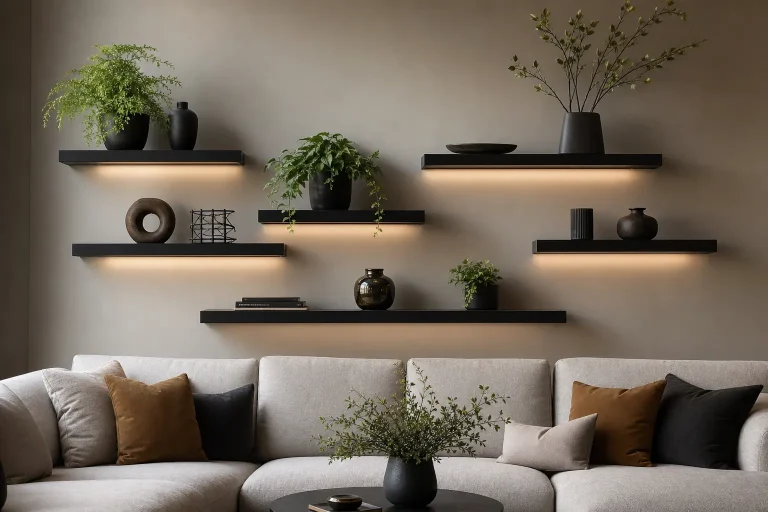
10 Beautiful Garden Ideas for a Dreamy Backyard Escape
A backyard with a patch of grass and a fence rarely invites anyone to linger. It just sits there. Beautiful garden ideas turn that flat space into a dreamy escape. Layout, planting, and a few key details do most of the work here, not any single expensive addition.
The difference between a plain yard and a dreamy garden usually comes down to layers. Layers of height. Layers of color. Layers of bloom time across the seasons. Get that right and even a modest yard can feel like its own little world. Here are ten ways to build that kind of garden.
1. Start with a Clear Path Through the Garden
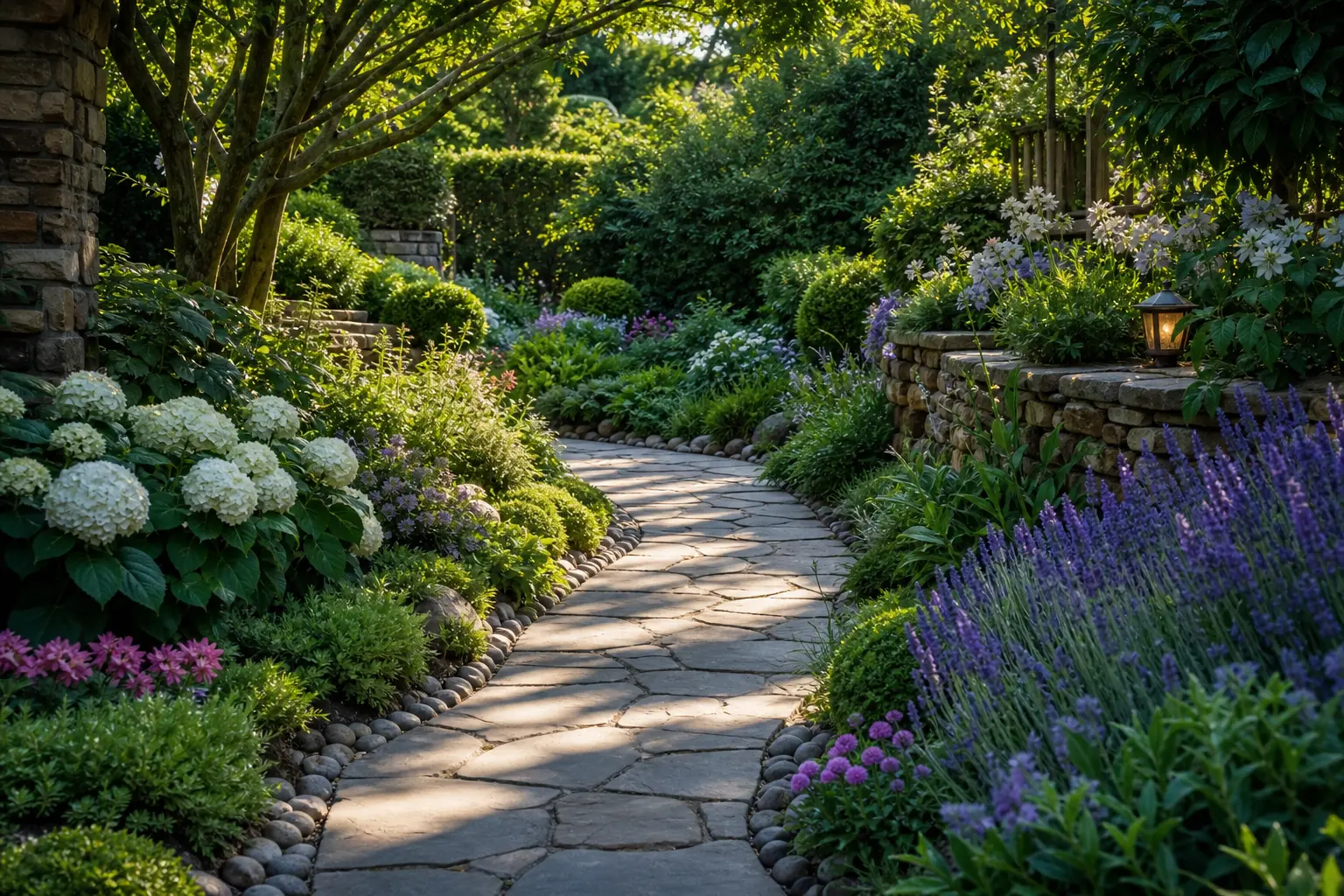
A defined path gives structure to the whole space. It could be gravel, stepping stones, or simple mulch. What matters is that it invites movement rather than leaving the garden to be viewed from one spot only. A winding path beats a straight one here, since it adds a sense of discovery as you move through.
Gravel typically runs $3 to $6 per square foot installed. Stepping stones cost more per piece but need less total material in a smaller yard.
Why a Curved Path Feels More Dreamy
A straight path shows the whole garden at once. A curved one reveals it slowly, piece by piece. That small choice makes even a compact garden feel bigger than it actually is.
2. Layer Plants by Height for Visual Depth
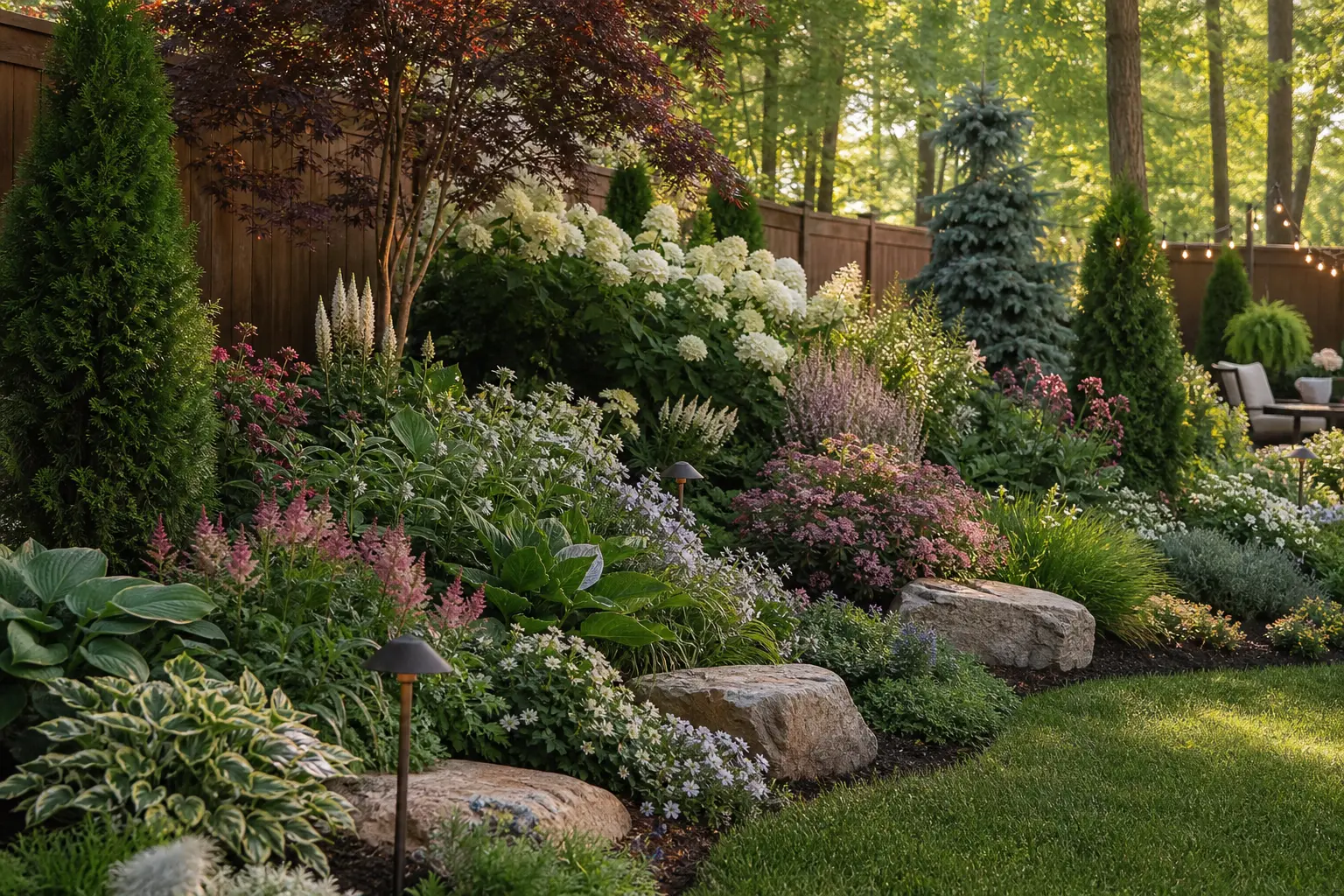
Put taller plants toward the back of a bed. Medium height plants go in the middle. Low growing or trailing plants sit at the front. This mimics how plants grow naturally in a woodland setting, and it reads as far more organic than a flat, single height planting.
A bed with three or four height tiers looks noticeably lusher than one planted at a single level, even using the same number of plants.
3. Choose a Color Palette for the Whole Garden
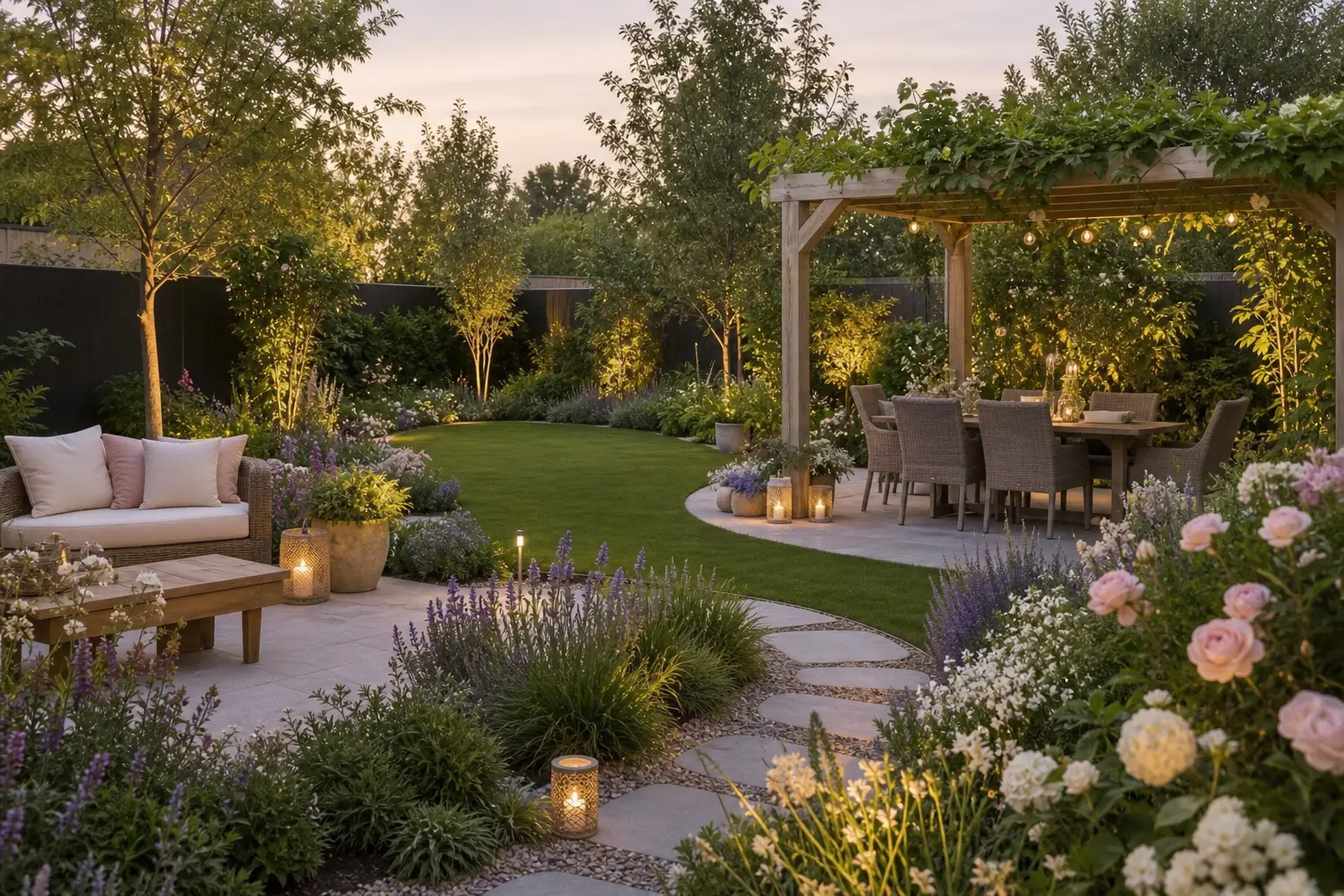
Skip planting whatever looks nice at the garden center that day. Pick a palette first, maybe soft pastels, maybe all white blooms, maybe a warm mix of coral and gold. Not every single flower needs to match exactly. Most just need to fall within a related family.
A limited palette reads as more considered than a garden planted in every available color. Too many unrelated colors and the space starts to look busy instead of designed.
4. Add a Seating Nook Tucked Into the Greenery
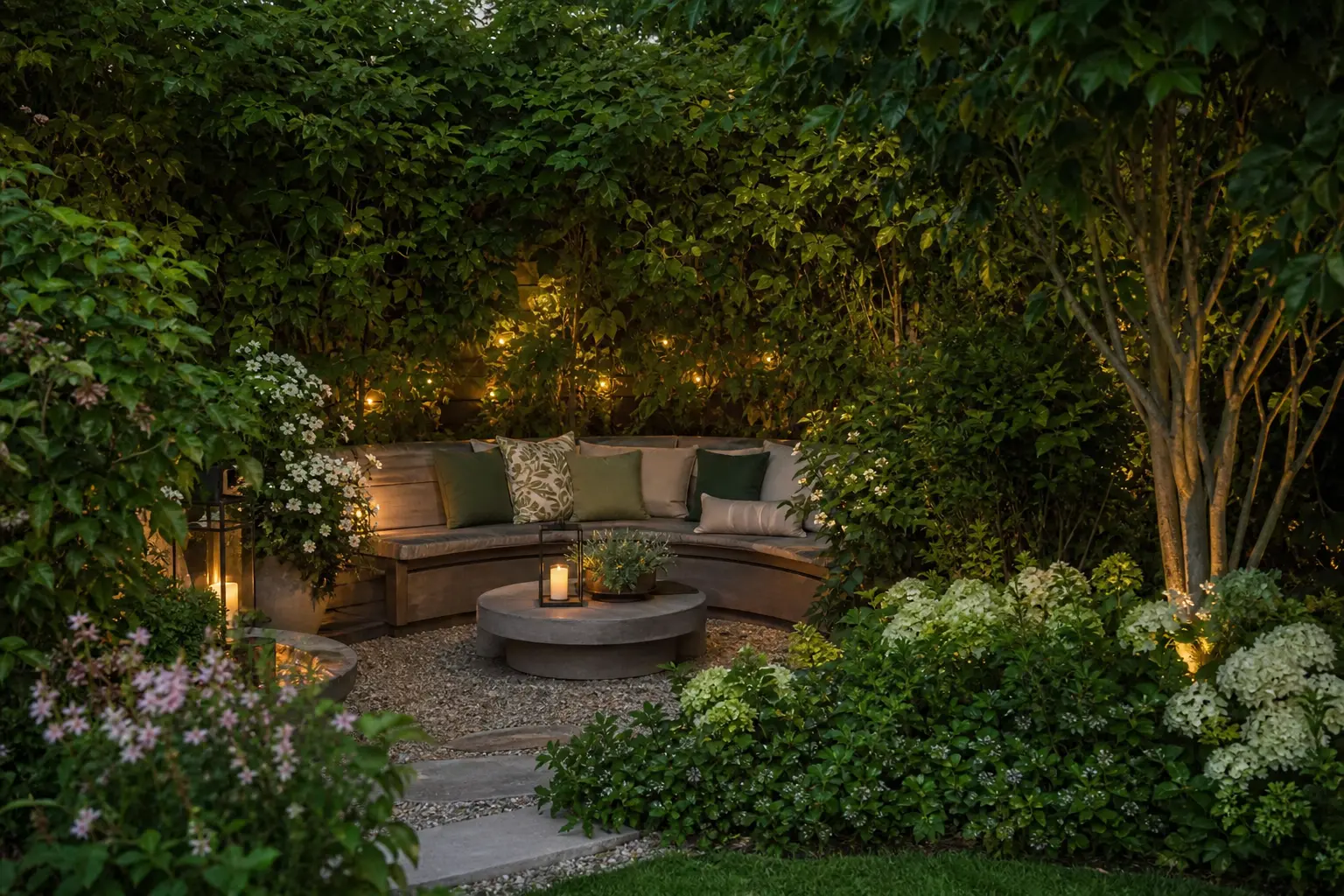
A small bench placed within the planted beds feels different than one sitting on an open patio. It feels enveloped. Surround it with taller plants or a small trellis and you get a real sense of privacy, even in a modest backyard.
This kind of nook works especially well in a corner that would otherwise go unused. Suddenly the most overlooked part of the yard becomes the most inviting.
5. Use Repetition to Create a Sense of Rhythm

Repeat the same plant, or the same color, at a few points throughout the garden. That repetition ties different areas together. It matters most in a larger yard, where separate beds can otherwise feel disconnected from one another.
A Simple Way to Apply Repetition
Pick one anchor plant. A specific flower works, or an ornamental grass. Plant small groupings of it at three or four points across the garden. This single trick makes a large space feel cohesive instead of scattered.
6. Add Vertical Interest with a Trellis or Arch
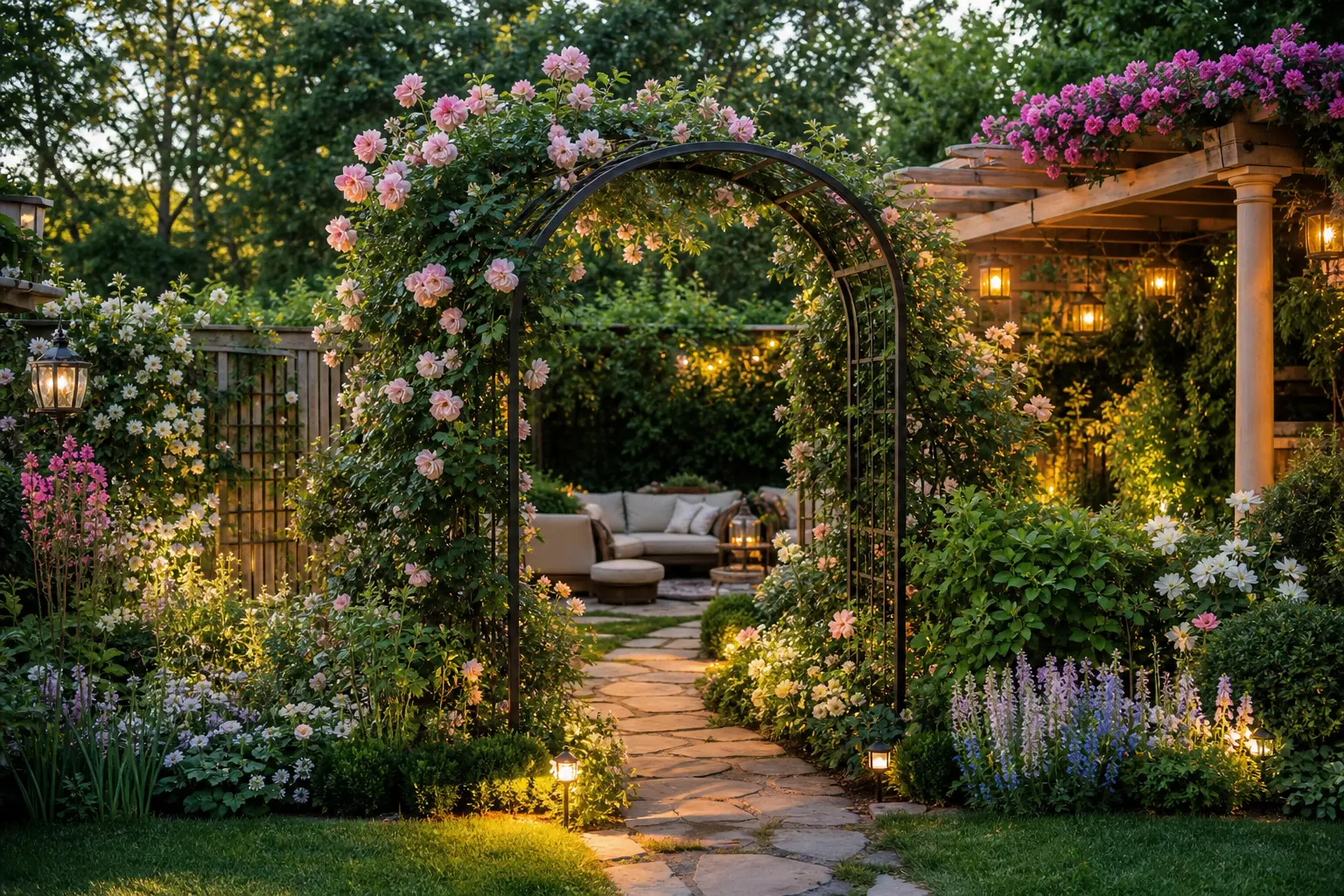
A trellis with a climbing vine adds height that ground level planting can’t provide on its own. So does a garden arch marking the start of a path. Climbing roses, clematis, and jasmine all do well here, and jasmine brings fragrance along with the height.
A simple wood or metal arch runs $80 to $300 depending on size. Even a basic one turns a gap in the planting into an actual entrance.
7. Choose Plants That Bloom Across Different Seasons
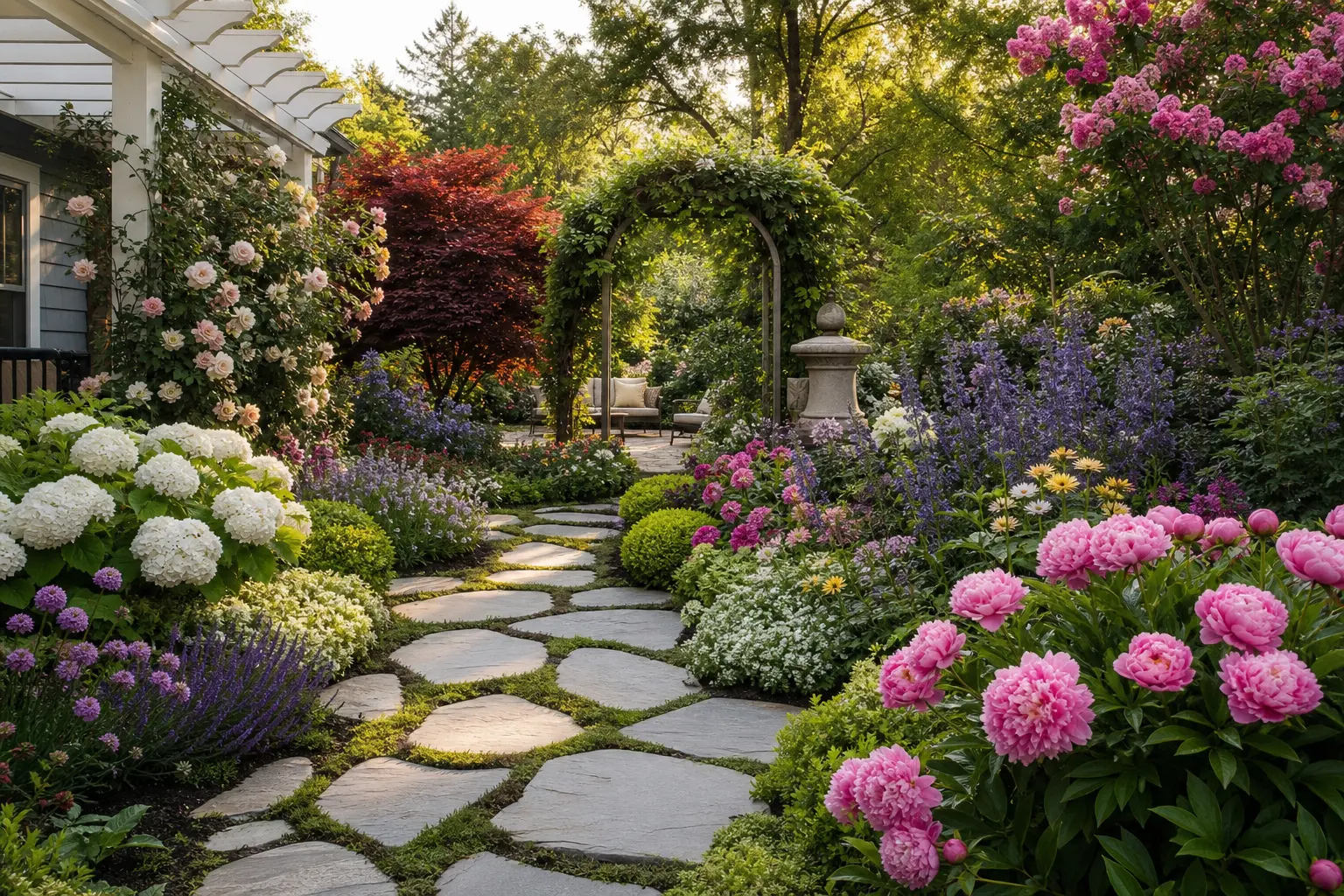
A garden that peaks for three weeks in May and looks tired the rest of the year misses the point. Mix in early spring bulbs. Add summer perennials. Include something that flowers in fall. That spread keeps the space feeling alive for most of the growing season, not just one short window.
A garden planned this way feels like a living thing rather than a single seasonal display. That matters more for daily enjoyment than one spectacular but brief peak ever could.
8. Bring in Water for Sound and Movement
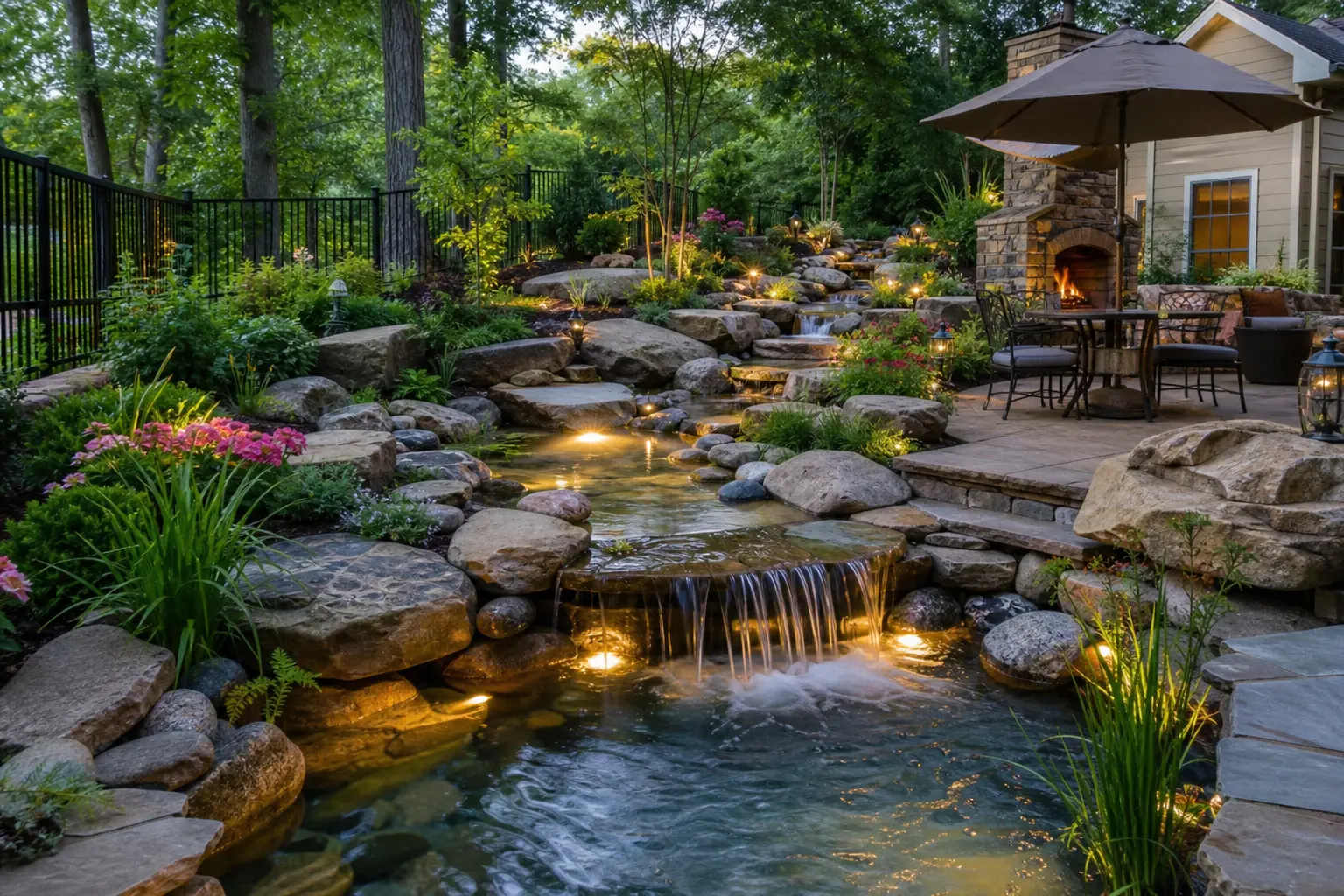
A small fountain adds something a static garden can’t offer: sound. A birdbath works too, or even a simple recirculating feature. The gentle noise also helps mask street sounds, which deepens the sense of escape.
A basic tabletop fountain runs $100 to $400. Larger built in features cost more, depending on size and complexity.
9. Add Warm Lighting for Evening Use
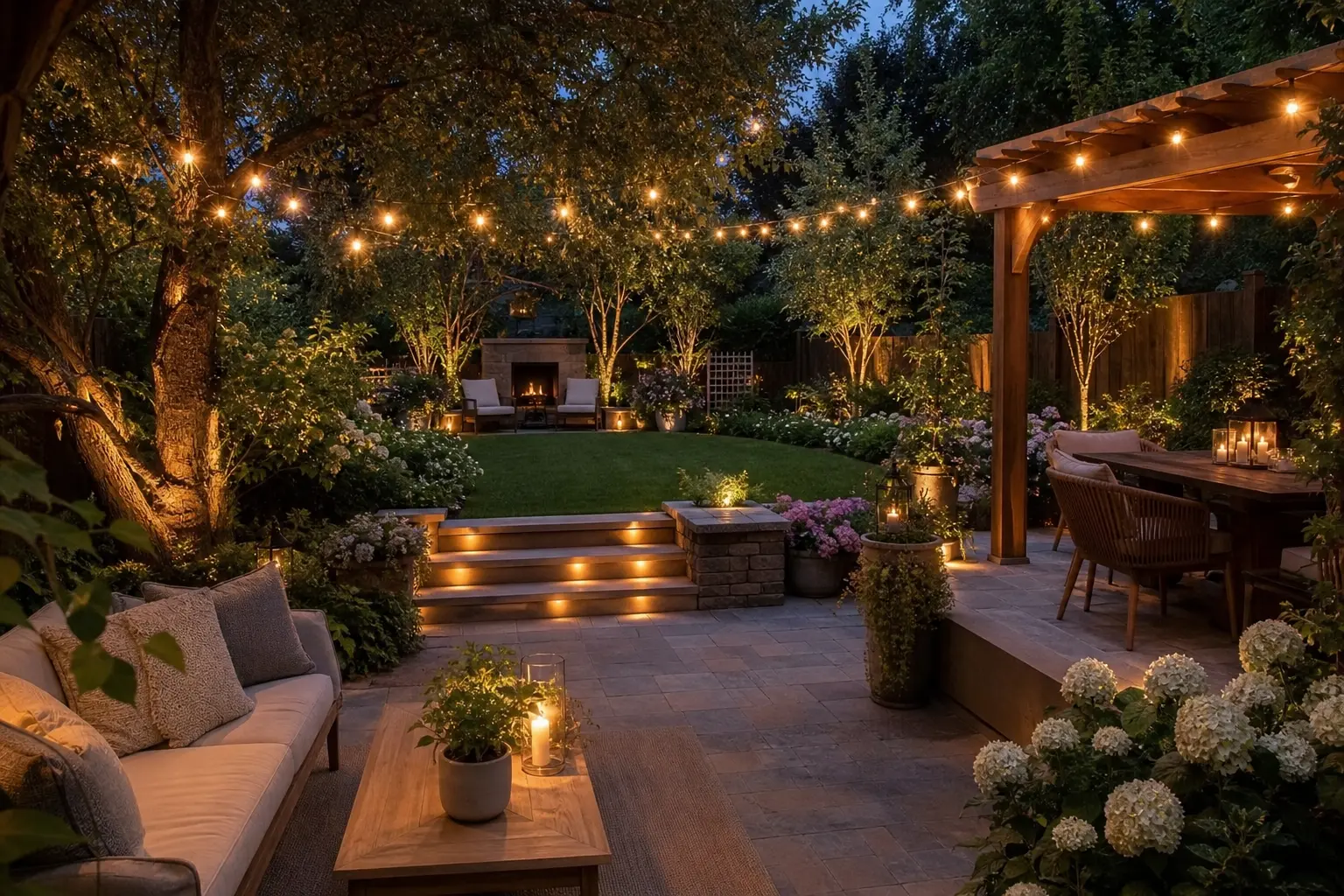
String lights woven through a pergola stretch the garden’s use into the evening. Solar path lights help too, and so do a few well placed lanterns. Warm white light supports the relaxed mood far better than cool white or anything multicolor.
Lighting also draws attention to specific features once the sun sets. A favorite tree. A water feature. The seating nook you built earlier. Each one gets a second life after dark.
10. Keep One Area Wild and Untamed
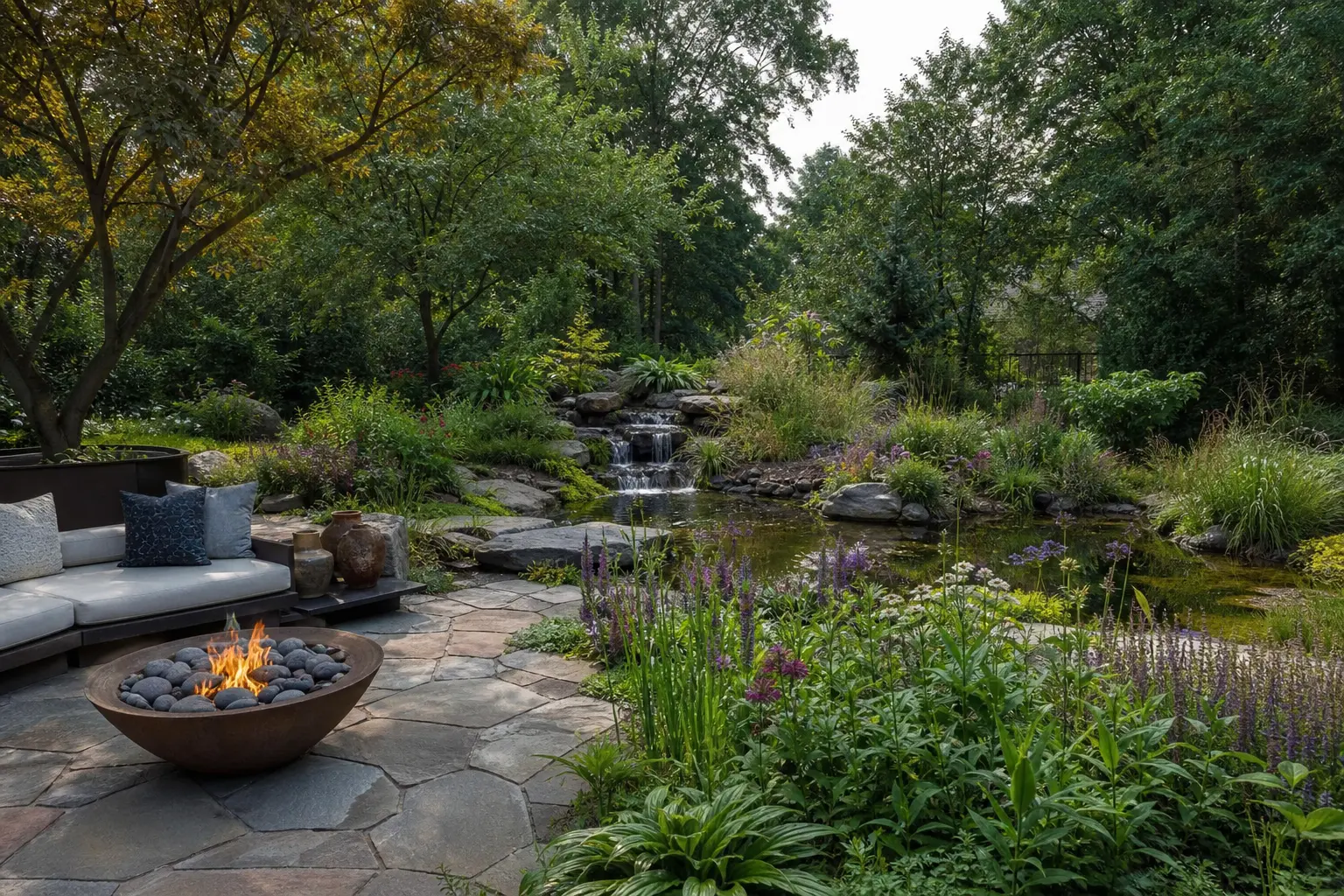
A garden that’s manicured everywhere can start to feel more like a showpiece than an actual escape. Leave one small section alone. A patch of native wildflowers works well here, or an untrimmed stretch of ornamental grasses.
This wild patch tends to attract more pollinators and wildlife too. That adds a layer of movement and life the rest of the planting can’t offer on its own.
Mistakes to Avoid
- Planting everything at one height, which flattens the whole bed
- Choosing plants for individual appeal with no overall color plan
- Skipping a defined path, leaving the garden hard to move through
- Planning for one big bloom instead of color across the seasons
- Using the garden only in daylight and skipping evening lighting
- Over manicuring every corner and losing any sense of wildness
Frequently Asked Questions
How much space do I need to create a dreamy garden escape? Even a small backyard can pull this off. A defined path and a thoughtful color palette matter more than raw square footage.
What’s the easiest way to start if my garden has no structure at all? Begin with a path and one seating area. Everything else can build around those two anchors.
How do I choose a color palette if I already have established plants? Use what’s already there as your base. Choose new additions that complement those existing colors rather than starting from zero.
Is a water feature hard to maintain? Not usually. A small recirculating fountain needs occasional cleaning and seasonal winterizing in colder climates. That’s about it.
How long until a newly planted garden looks established? Most gardens take two to three growing seasons to fill in properly. Starting with larger plants and layering by height from day one speeds that up a bit.
Conclusion
A beautiful, dreamy garden comes down to layering. Layer height, layer color, layer bloom time across the seasons. Add a defined path and at least one spot to sit down in it. Start with the path and the seating, since those two shape how the whole garden actually gets used. Build the planting, lighting, and water features out from there.