10 Lavender Home Decor Ideas You’ll Immediately Want to Recreate
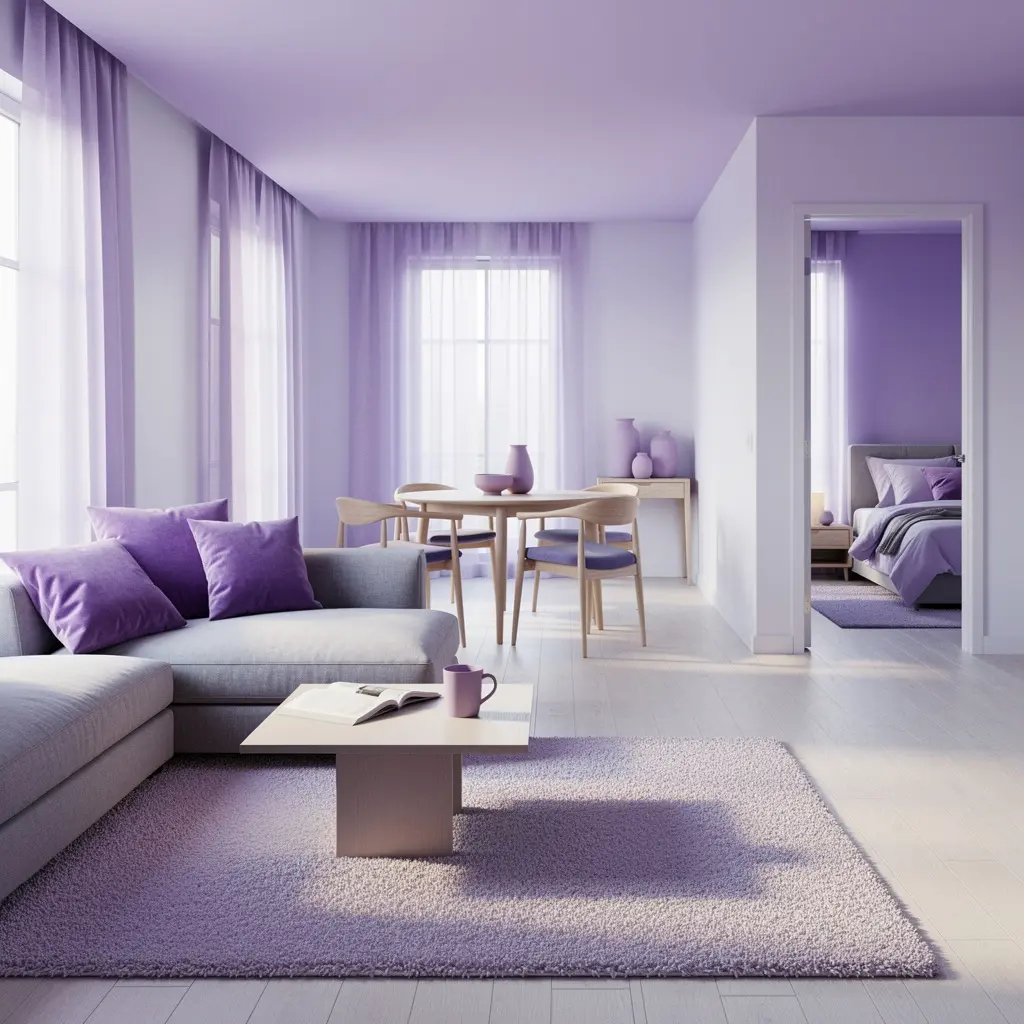
Lavender decorating one room at a time is easy enough. Making the whole home feel connected, so a lavender accent in the living room doesn’t feel disconnected from a lavender touch in the bedroom, takes a bit more planning. Lavender has the power to transform rooms into peaceful retreats, and its versatility means it genuinely works everywhere from a studio apartment to a full sized house, as long as the shade and supporting colors stay consistent enough to feel like one connected story rather than several unrelated experiments.
1. Choose a Consistent Lavender Undertone for the Whole Home
Deciding early whether the home leans toward a cooler, grayer lavender or a warmer, pinker one shapes every decision that follows. This single choice, made once at the start, keeps a lavender accent in the kitchen from clashing with a lavender piece in the living room, even though the two rooms might use the color in very different ways. Consistency in undertone matters more than matching the exact shade in every room.
Letting Each Room Lead With a Different Intensity
The shared undertone doesn’t mean every room needs the same amount of lavender. A bedroom might go deeper and more saturated, while a kitchen sticks to small accents, as long as both pull from the same family of tones.
2. Start With Textiles Before Committing to Paint
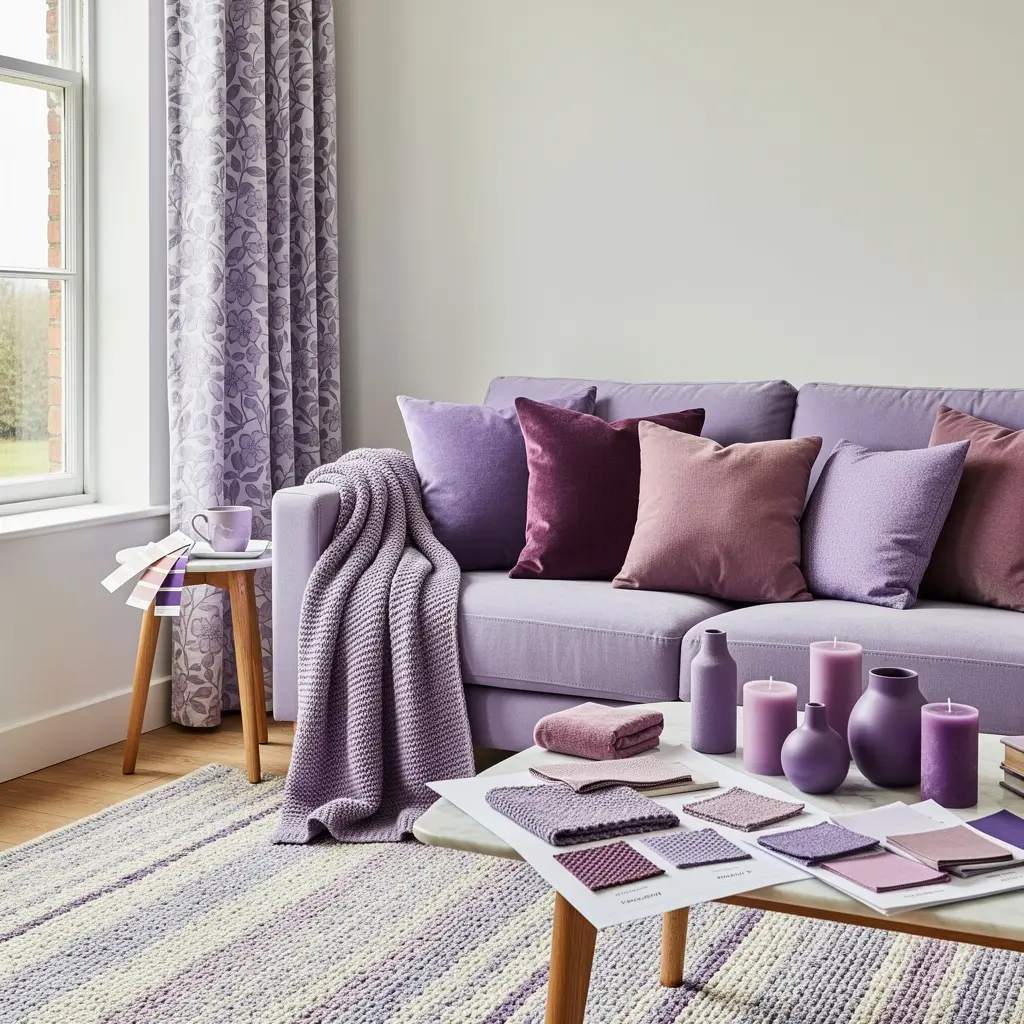
Lavender throw pillows, a plush rug, and lighter textiles let a home ease into the color while maintaining an open, airy feel, without the commitment of an accent wall right away. This approach works especially well for anyone testing whether lavender actually suits their space before investing in paint or new furniture, and it’s a common recommendation specifically for smaller, compact homes where a bold wall color carries more risk.
3. Use Dried Lavender Bundles for Natural, Fragrant Decor
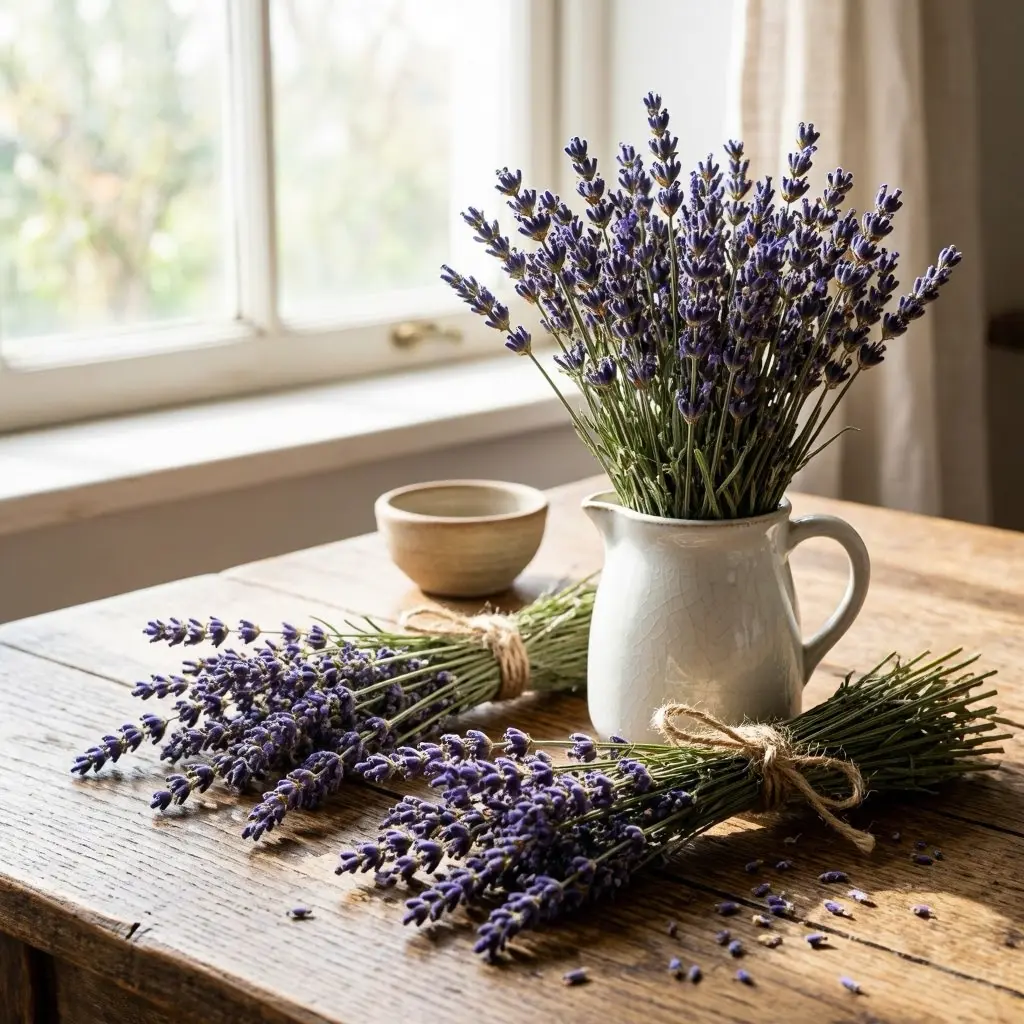
Dried lavender bouquets in glass vases, or small bundles hung in an entryway, bring the actual plant into the home rather than relying on decor that only references the color. This detail adds a genuine, subtle fragrance throughout connected spaces, which textiles and paint alone can’t replicate, and dried lavender holds its color and shape for months without any maintenance.
4. Add a Lavender Statement Piece in the Living Room
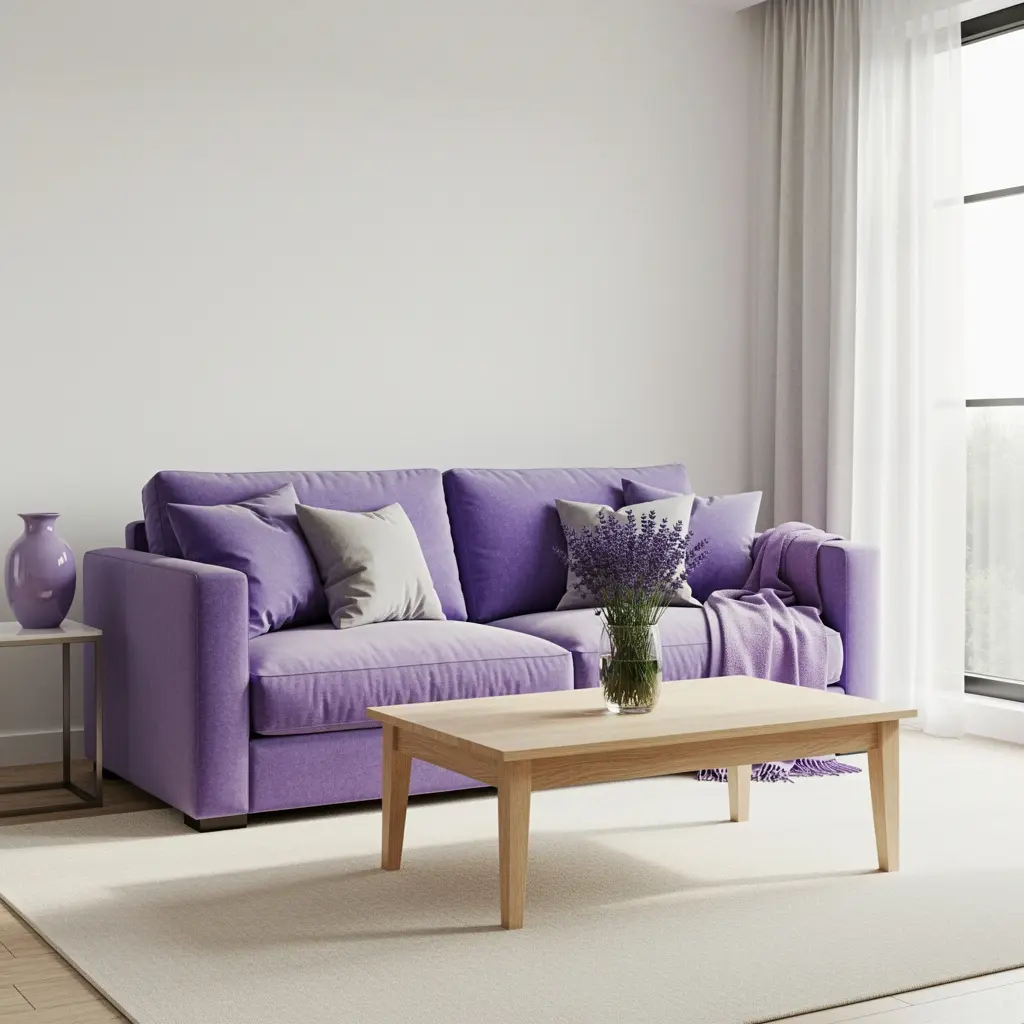
A lilac or lavender velvet armchair, or a full sofa for anyone ready to commit, works as a genuine focal point that draws out purple tones from surrounding artwork and pillows. This kind of statement furniture piece anchors the living room’s color story, giving the rest of the home’s smaller lavender accents something larger to visually connect back to.
Positioning the piece where it catches natural light during the day makes the color read differently morning to evening, which adds a bit of visual interest that a fixed accent wall in the same shade wouldn’t offer on its own.
5. Bring Lavender Into the Kitchen Through Small Accents
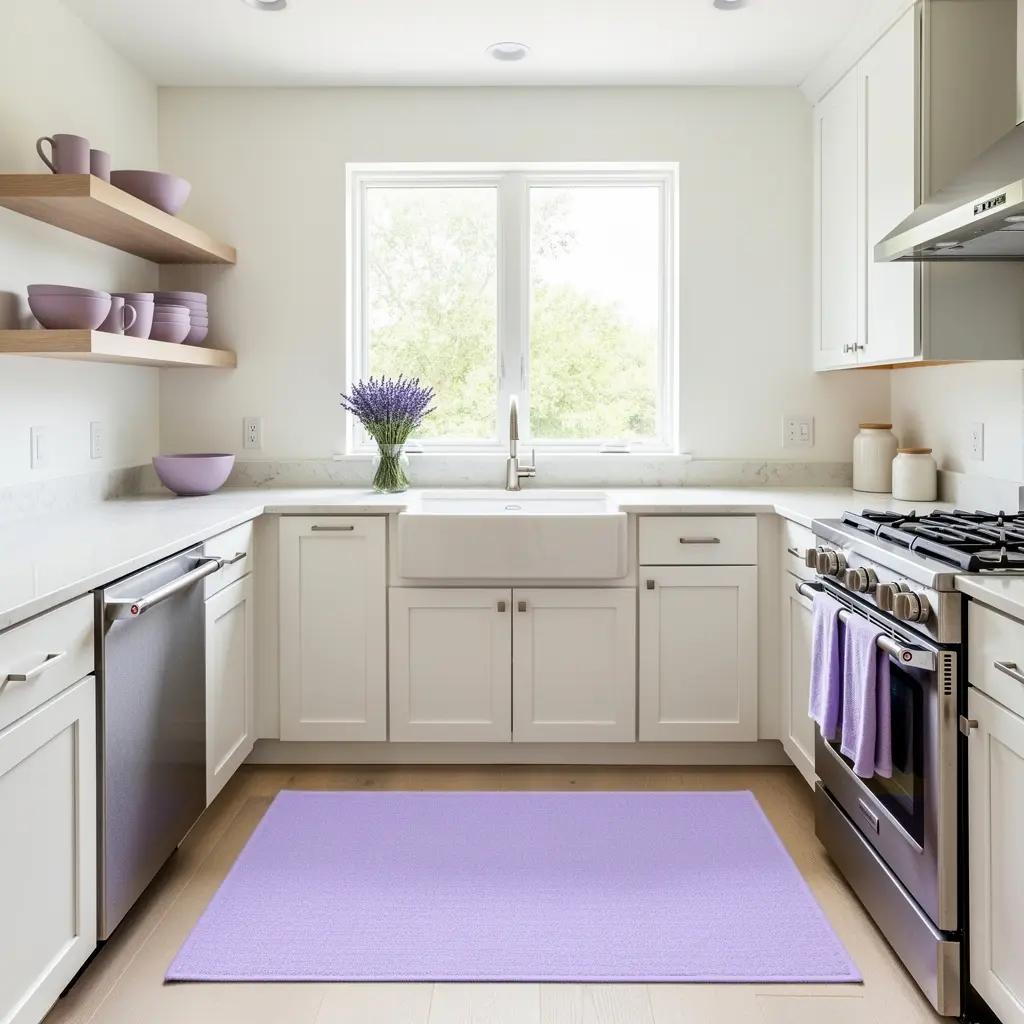
Bar stools in a soft lavender tone, or a set of lavender dish towels and ceramics, introduce the color into a kitchen without requiring cabinetry or countertop changes. This lower commitment approach lets the kitchen participate in the home’s overall lavender story without needing the same scale of investment a living room statement chair or a bedroom accent wall would require.
6. Pair Lavender With White, Cream, or Soft Gray Throughout

White, cream, soft gray, and even mint green all pair beautifully with lavender, and using one or two of these consistently across multiple rooms is what actually creates the sense of a connected home. Rather than choosing a different supporting color for every room, sticking to this same shortlist throughout keeps the transition between spaces feeling smooth rather than abrupt.
Trim and ceiling color are worth including in this consistency, since a home that shifts from warm white trim in one room to a cooler gray in the next can undercut the connected feeling even when the lavender itself matches perfectly.
7. Try Lavender Wallpaper for a Patterned, Elevated Look
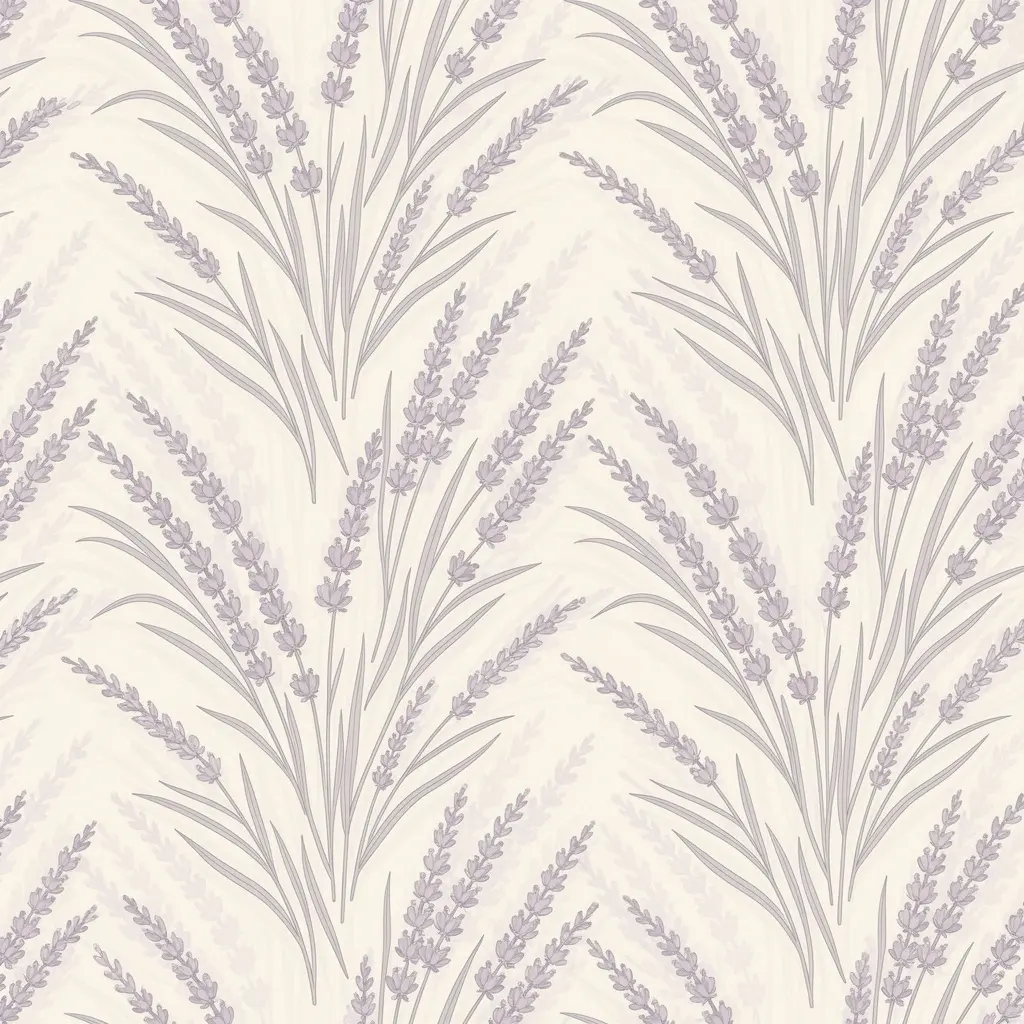
Lavender wallpaper, whether in a bold geometric pattern or something more delicate and floral, infuses a room with calm and elegance while adding visual texture that flat paint can’t achieve on its own. A geometric pattern suits a more contemporary room paired with sleek furniture, while a floral version leans into a softer, more traditional bedroom or reading nook.
Choosing Pattern Scale for Different Rooms
A larger, bolder pattern reads well on a single accent wall in a bigger room, while a smaller scale print tends to suit a compact space or a hallway better, since it doesn’t overwhelm a room with limited square footage.
8. Make DIY Lavender Sachets for Closets and Drawers
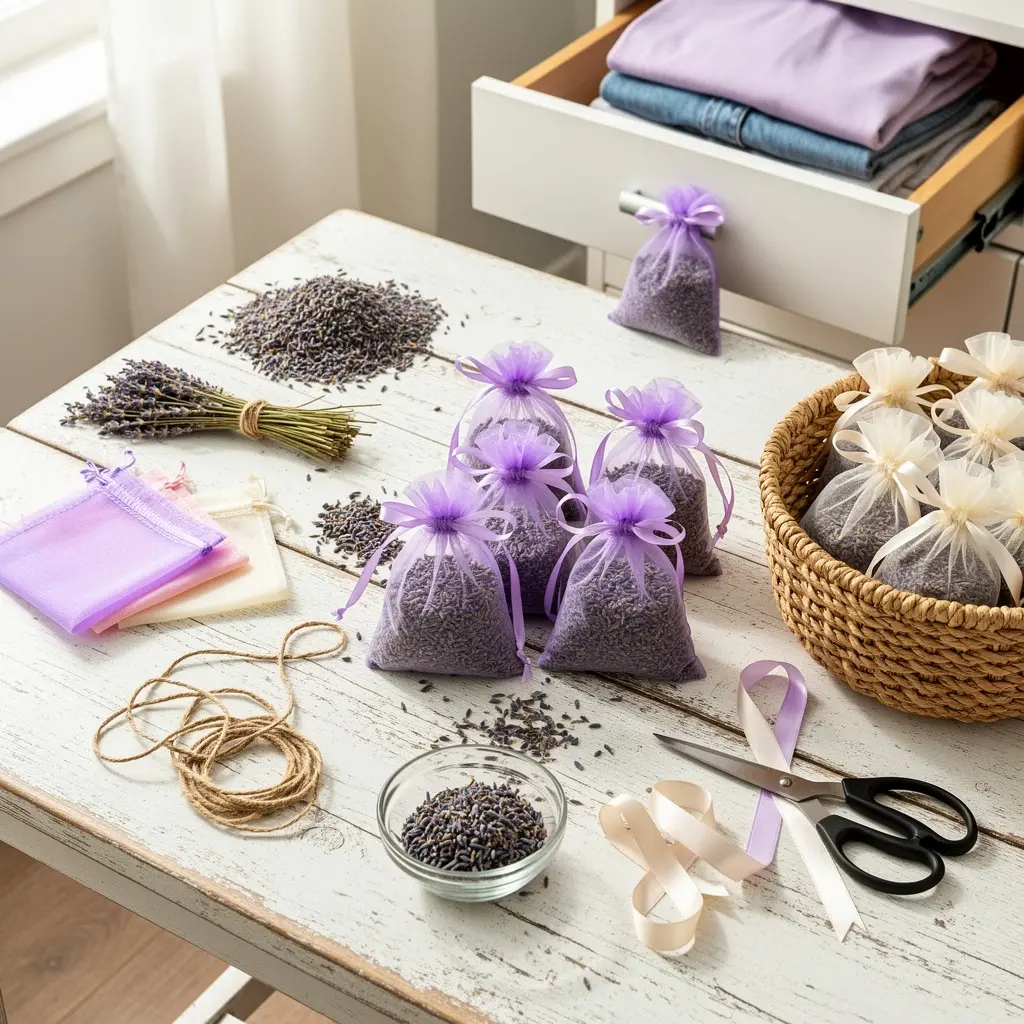
Small fabric or muslin pouches filled with dried lavender, tucked into a closet or dresser drawer, bring the fragrance and color into spaces that don’t get full decorating treatment. This simple, low cost project ties the home’s lavender theme into rooms and storage areas that might otherwise be left out entirely, and it’s an easy weekend project requiring only a few basic materials.
9. Use Gold Accents to Tie Every Room Together
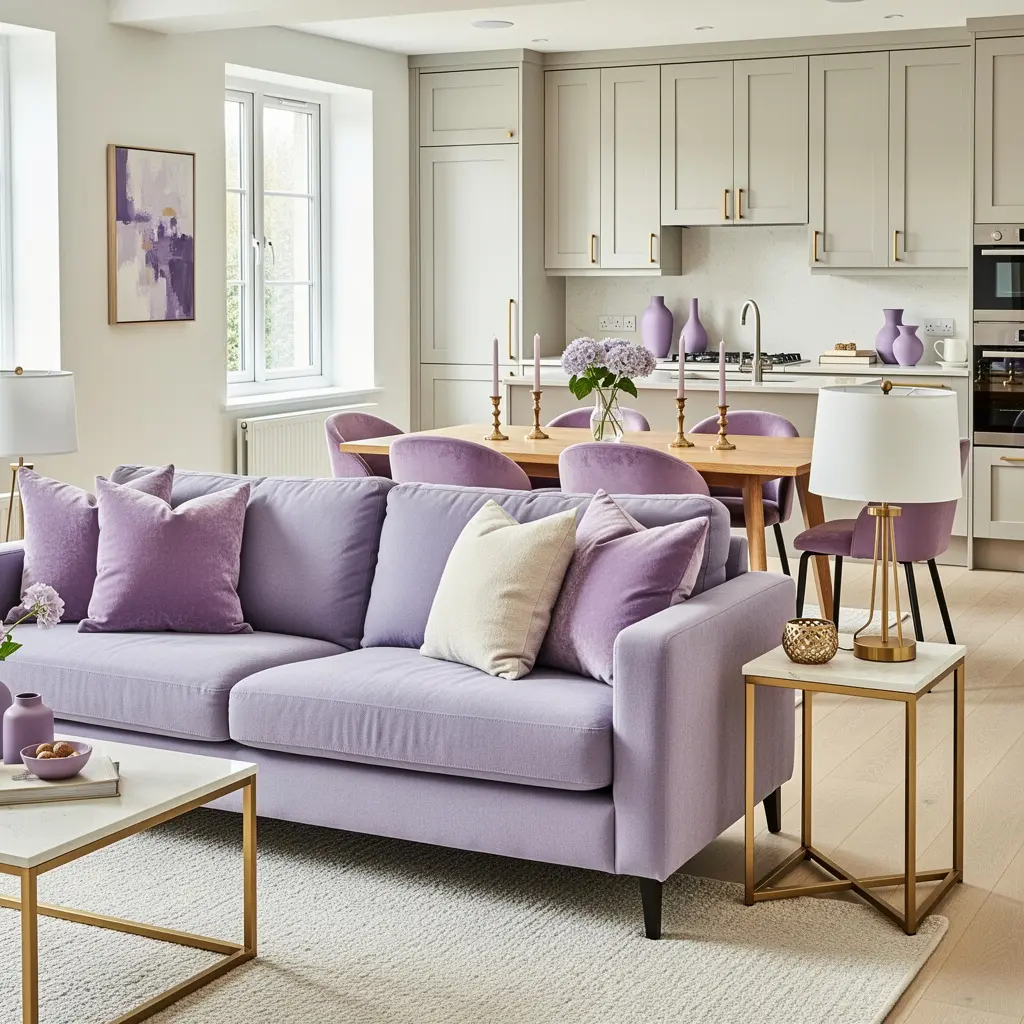
A gold curtain rod, gold accessories on a shelf, or simple gold hardware repeated across multiple rooms creates a visual thread that connects lavender spaces throughout the home. This warm metal accent does double duty, balancing lavender’s cooler undertone the same way it does in a single room, while also acting as a repeated design element that ties separate spaces together.
Even a small, inexpensive detail, a set of gold drawer pulls in one room and a gold picture frame in another, is often enough to create this sense of connection without needing every gold accent to be identical in scale or style.
10. Keep Small Spaces Airy With Lighter Lavender Tones
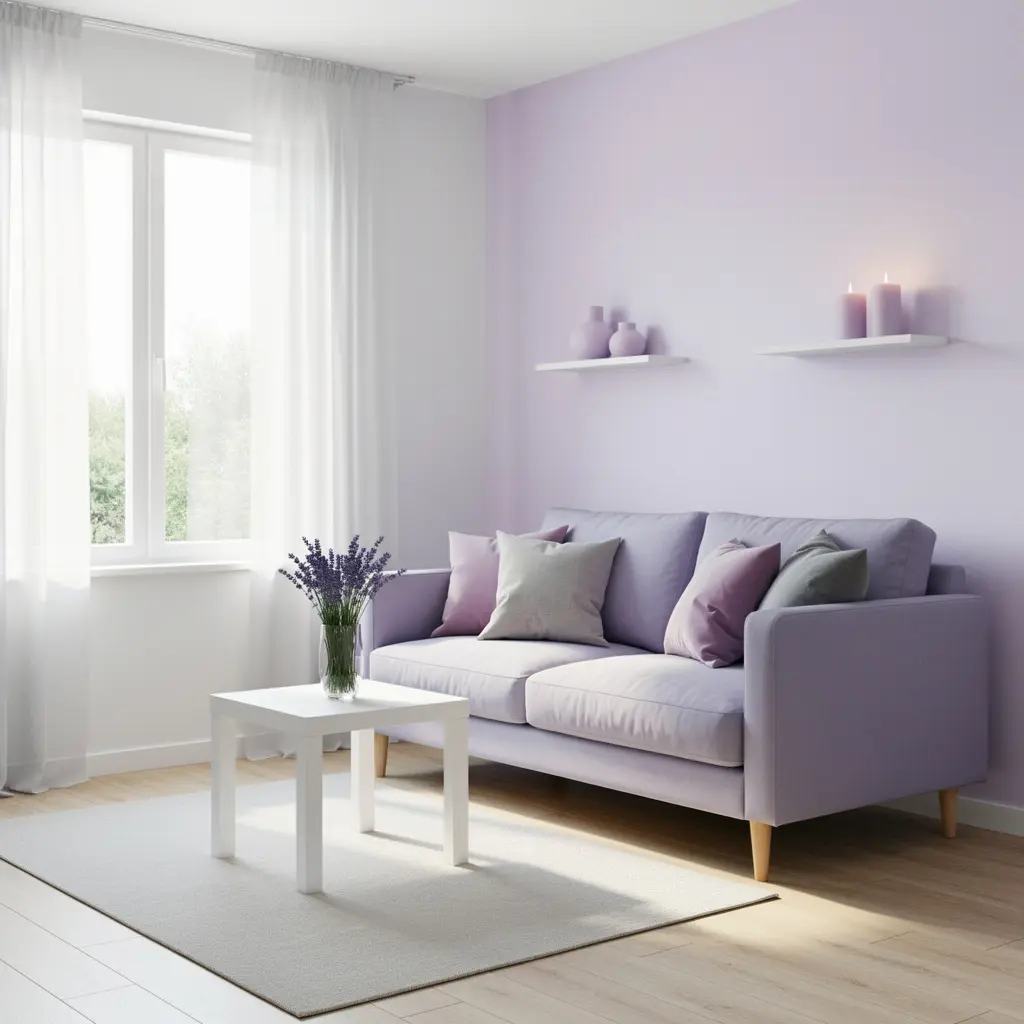
In a compact area, a lighter, softer lavender enriches the aesthetic without overpowering the room, which matters especially in a studio apartment or a small home where every color choice affects how spacious the whole space feels. Reserving deeper, more saturated lavender tones for larger rooms with more square footage to absorb them keeps a smaller home feeling open rather than closed in.
Mistakes to Avoid
- Choosing a different lavender undertone for each room instead of one consistent base that ties the home together
- Committing to paint in every room at once instead of testing the color through textiles first
- Using several different supporting colors throughout the home instead of sticking to a consistent shortlist
- Choosing a deep, saturated lavender in a small or compact space, which can make the room feel closed in
- Skipping natural touches like dried lavender, which add fragrance and texture that paint and textiles alone can’t provide
- Ignoring repeated details like gold hardware or accessories, which help connect separate rooms visually
Frequently Asked Questions
Do all rooms in a lavender home need to look identical? No. A shared undertone and consistent supporting colors create cohesion, but each room can use different amounts of lavender depending on its size and function.
What’s the easiest way to start a whole home lavender refresh? Textiles, throw pillows, a rug, new curtains, are the lowest commitment starting point, letting the color show up in multiple rooms before any paint or big furniture purchases.
Is lavender a good color for a small apartment? Yes. A lighter, softer version of the color works especially well in compact spaces, since it adds calm and character without overpowering a room with limited square footage.
Can lavender decor include real or dried flowers? Yes. Dried lavender bundles and bouquets are a common way to bring the actual plant into a home, adding fragrance and natural texture alongside painted or textile based decor.
What metal finish works best across a lavender themed home? Gold or warm brass tends to be the most consistently recommended pairing, since it balances lavender’s cooler undertone and works well repeated across multiple rooms.
Conclusion
A lavender home comes together through a consistent undertone, a shared shortlist of supporting colors, and small connective details like gold accents or dried lavender bundles carried from room to room. Start with textiles if the commitment feels risky, add a statement piece once you’re confident in the color, and let smaller touches like sachets and dried bouquets extend the theme into spaces that don’t get full decorating attention. The result is a home that feels calm and cohesive from room to room, not like several disconnected lavender experiments.
There’s no need to finish every room at once either. Most homes that pull this off well were built up gradually, one room and one purchase at a time, with the shared undertone and color shortlist doing the work of tying it all together even when the rooms weren’t decorated in the same weekend.