10 Elegant Living Room Decor Ideas for a Luxurious Home
Your living room has decent furniture and a reasonable layout, but it still doesn’t quite read as elegant, it reads as merely fine, the kind of room that looks fine in photos but doesn’t hold your attention when you walk in. Elegance in a living room rarely comes from a single expensive purchase, it comes from a handful of deliberate choices around proportion, material, and restraint working together. Elegant living room decor ideas focus on exactly that combination, so the room feels sophisticated and considered rather than simply well furnished. This article covers the specific, practical changes that separate an elegant living room from one that’s merely put together.
1. Choose A Tight, Sophisticated Color Palette
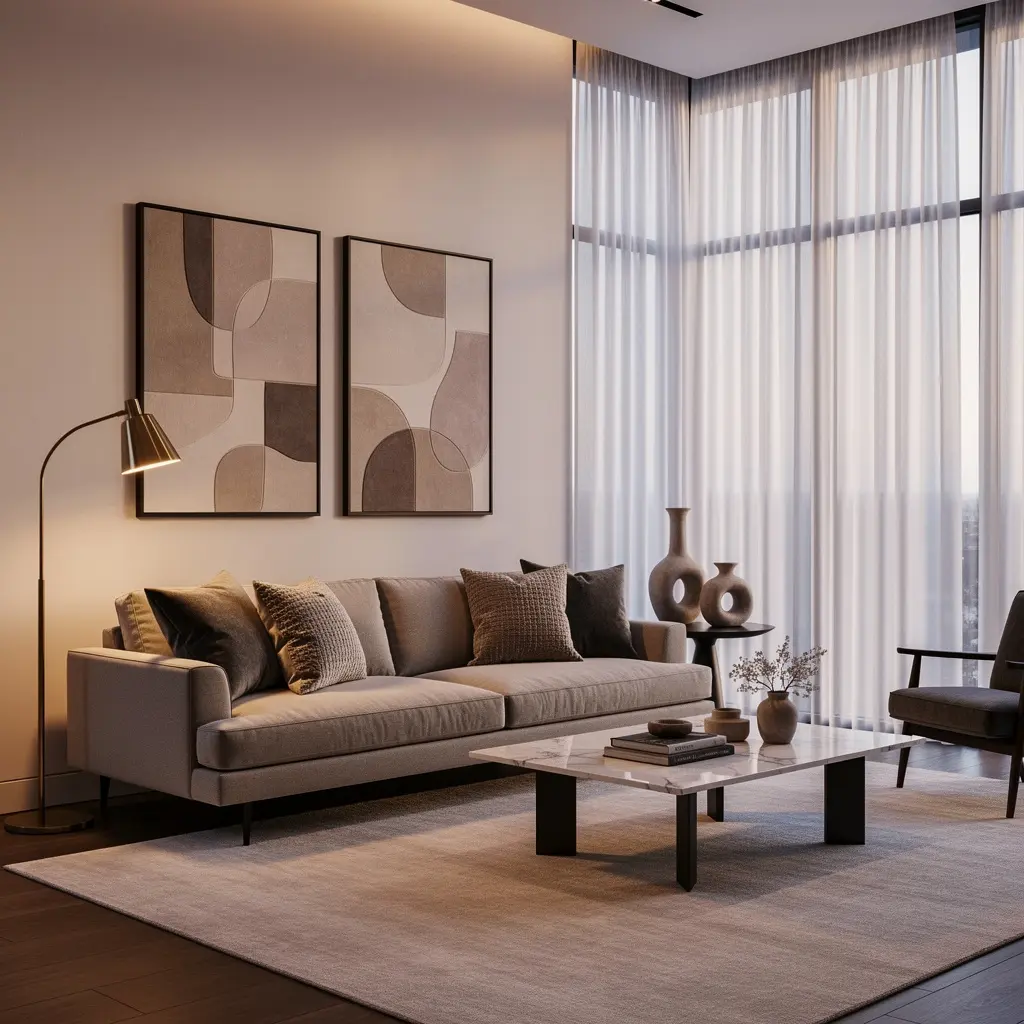
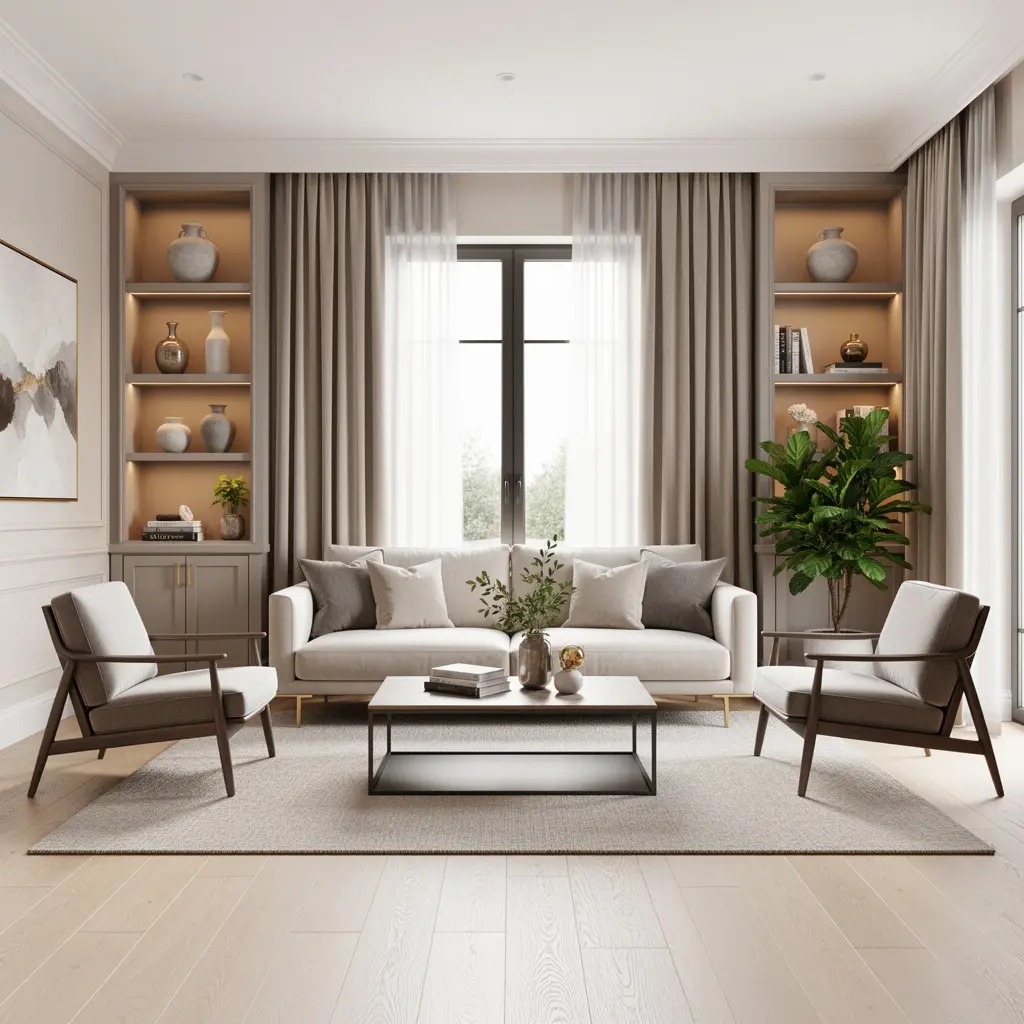
An elegant living room rarely relies on more than three main colors, usually one dominant neutral, one secondary tone, and a single deeper accent. Warmer neutrals, like clay, sand, mushroom, and soft terracotta, have overtaken cooler grays as the more sophisticated foundation, since they create a calmer, more inviting base that still reads as refined rather than plain.
Building A Palette Around One Statement Color
Choosing one deeper, richer accent color, like a moody forest green or a deep burgundy, and using it sparingly on a single piece, like an accent chair or a set of curtains, tends to read as more elegant than spreading several accent colors evenly around the room. This restraint also makes it easier to update the room later, since you only need to replace one statement piece rather than rethinking the entire palette.
2. Mix Old And New Furniture Pieces
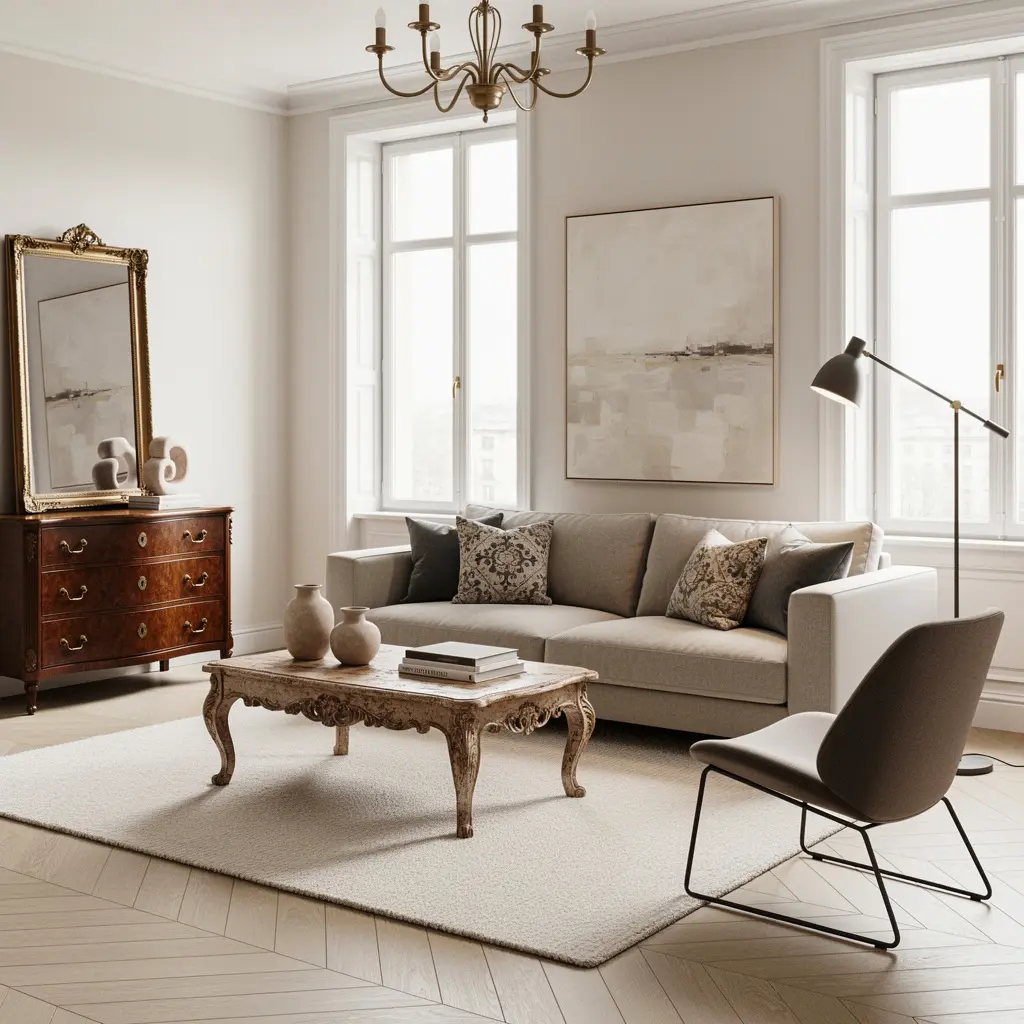
A living room furnished entirely from one matched set, however nice, can read as showroom rather than genuinely elegant. Curating from a mix of newer furniture, inherited pieces, and thoughtfully sourced vintage finds creates the kind of layered, collected look that feels sophisticated precisely because it doesn’t look purchased all at once. Even one genuinely old piece, like an antique side table or a vintage mirror, can shift an entire room’s character toward feeling collected rather than staged.
3. Choose Furniture With Curved, Considered Lines
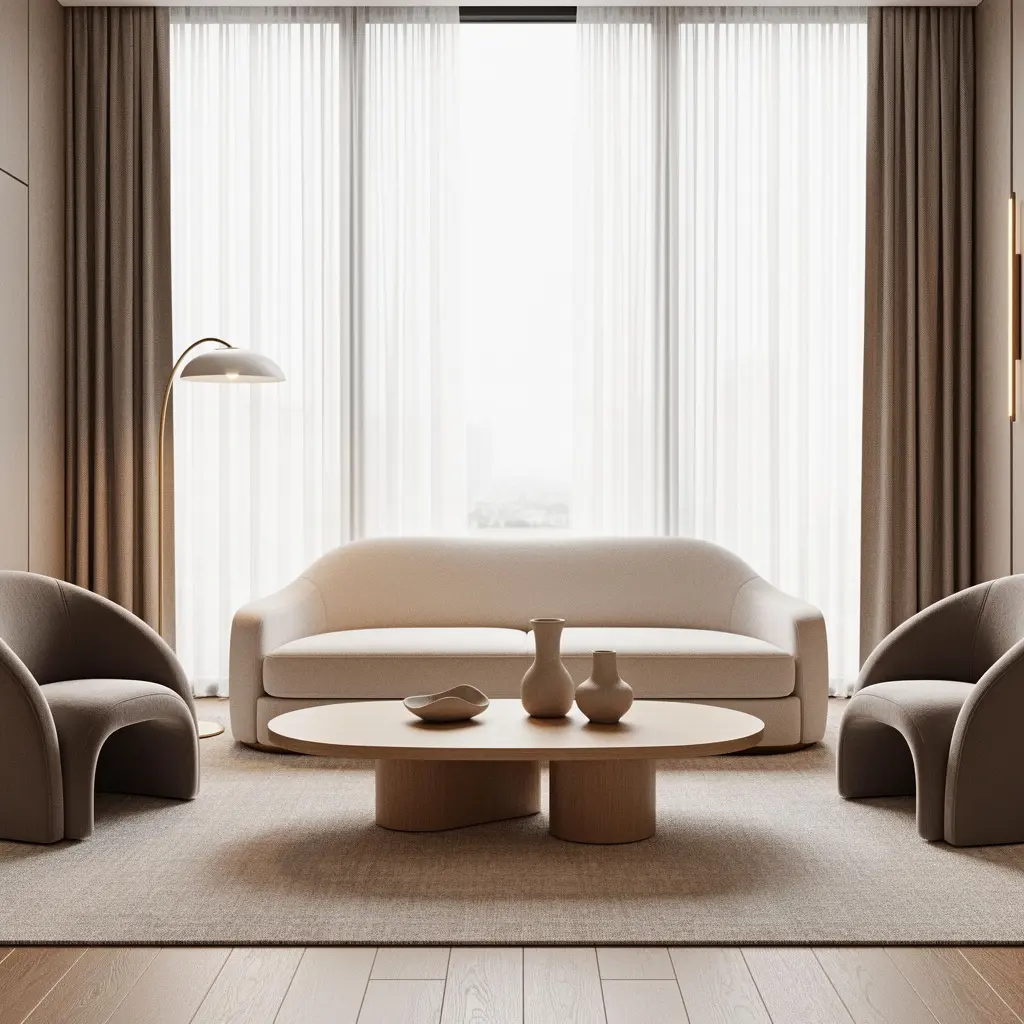
Boxy, hard edged furniture can feel utilitarian, while pieces with soft, rounded silhouettes, a curved sofa arm, an oval coffee table, a rounded ottoman, add a sense of intentional design that reads as more elegant. Curved lines also tend to photograph and move through a room more gracefully than sharp, uniform edges.
Balancing Curves With Straight Elements
A room doesn’t need to be entirely curved to feel elegant. Pairing one or two rounded statement pieces against an otherwise straight edged sofa or shelving unit still provides enough softness to elevate the whole layout.
4. Invest In Quality Textiles Over Quantity Of Decor
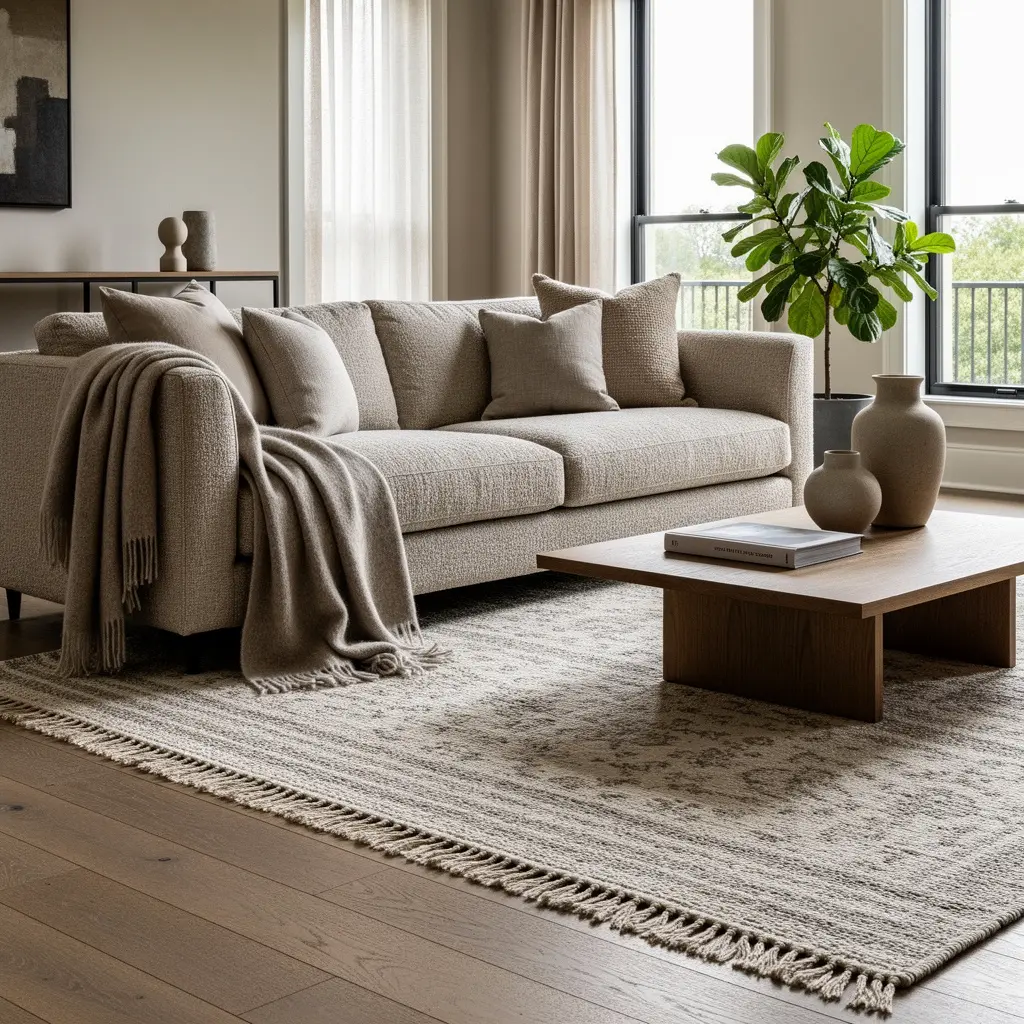
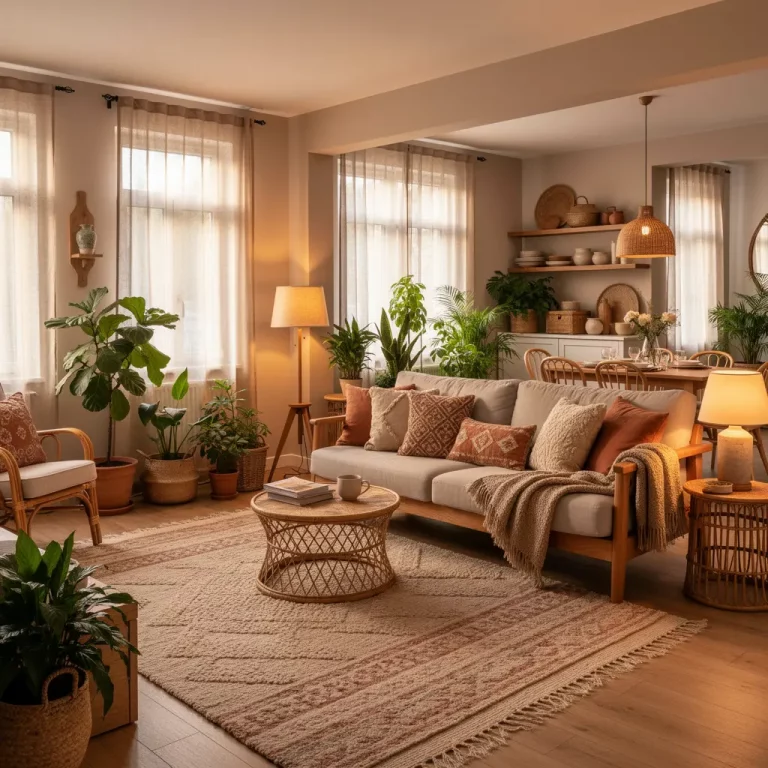
Linen upholstery, a genuine wool rug, and well made throw pillows in a rich texture like velvet or boucle do more for an elegant feeling than a large quantity of smaller decorative objects. High shine, synthetic surfaces have fallen out of favor in favor of finishes that feel tactile and genuinely well made, which tends to matter more to how a room actually feels than how it photographs. Running your hand across a fabric before buying it is still one of the simplest ways to judge whether it will hold up to that same tactile standard over years of daily use.
5. Layer Lighting At Multiple Heights
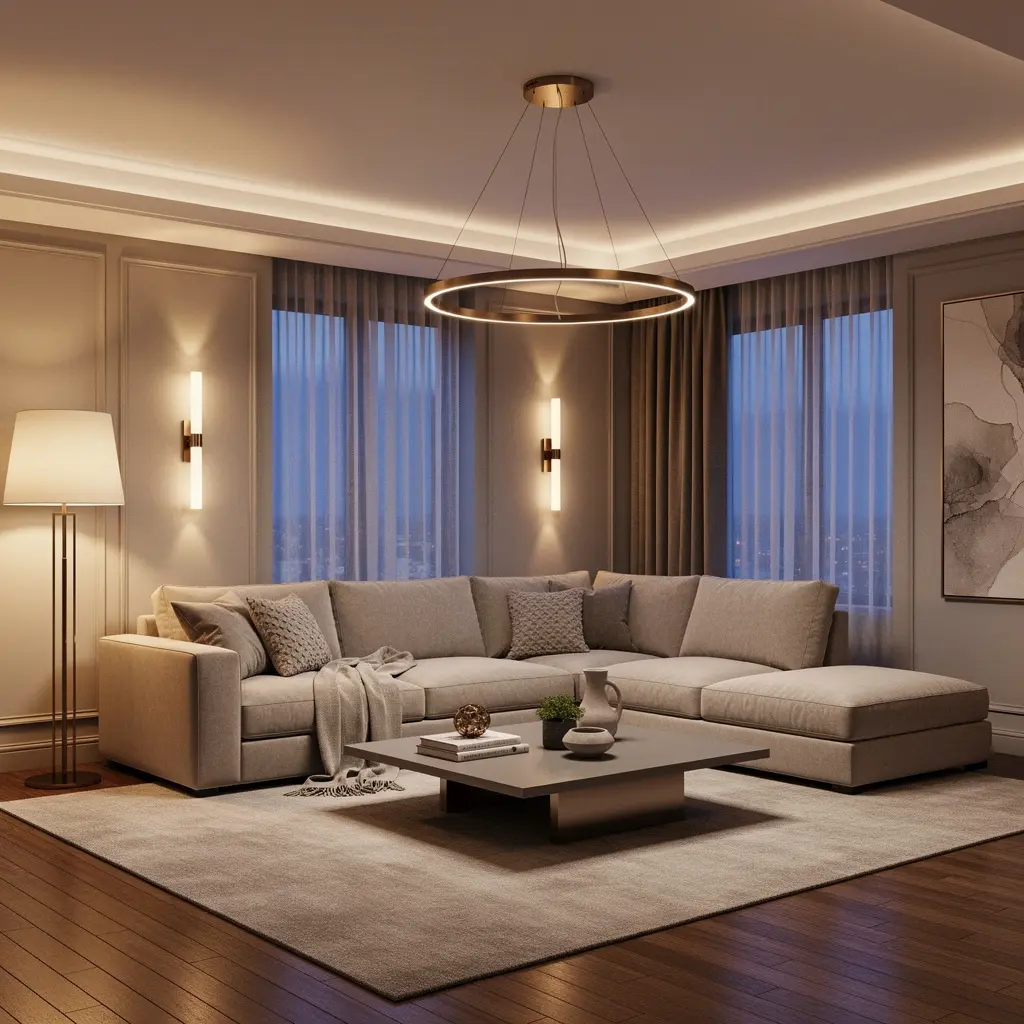
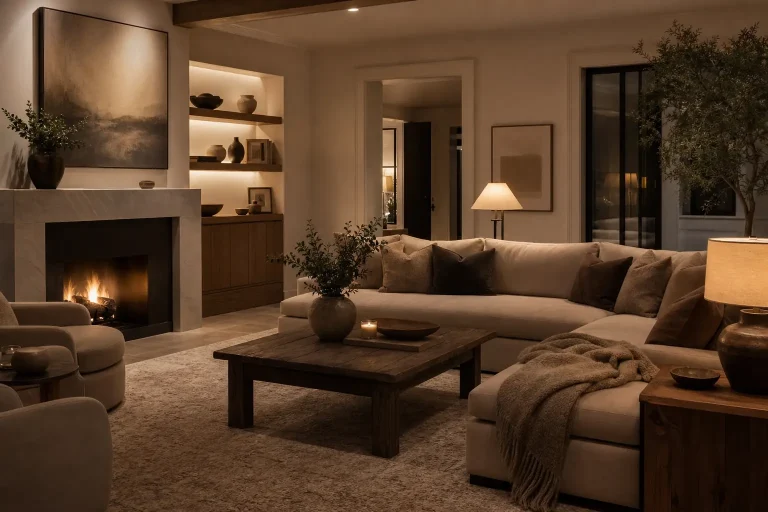
A single overhead fixture flattens a room and works against an elegant, layered atmosphere. Combining a statement floor lamp, a table lamp, and warm dimmable bulbs creates the kind of depth and ambiance found in genuinely well designed spaces. Warm white bulbs, generally in the 2700K to 3000K range, read as more sophisticated than a cooler, brighter light in a residential living room.
Using Lighting To Define Zones
In a larger living room, positioning different light sources near separate seating areas helps define distinct zones within the room, which reads as more considered than a single, evenly lit open space.
6. Display Personal Collections Thoughtfully
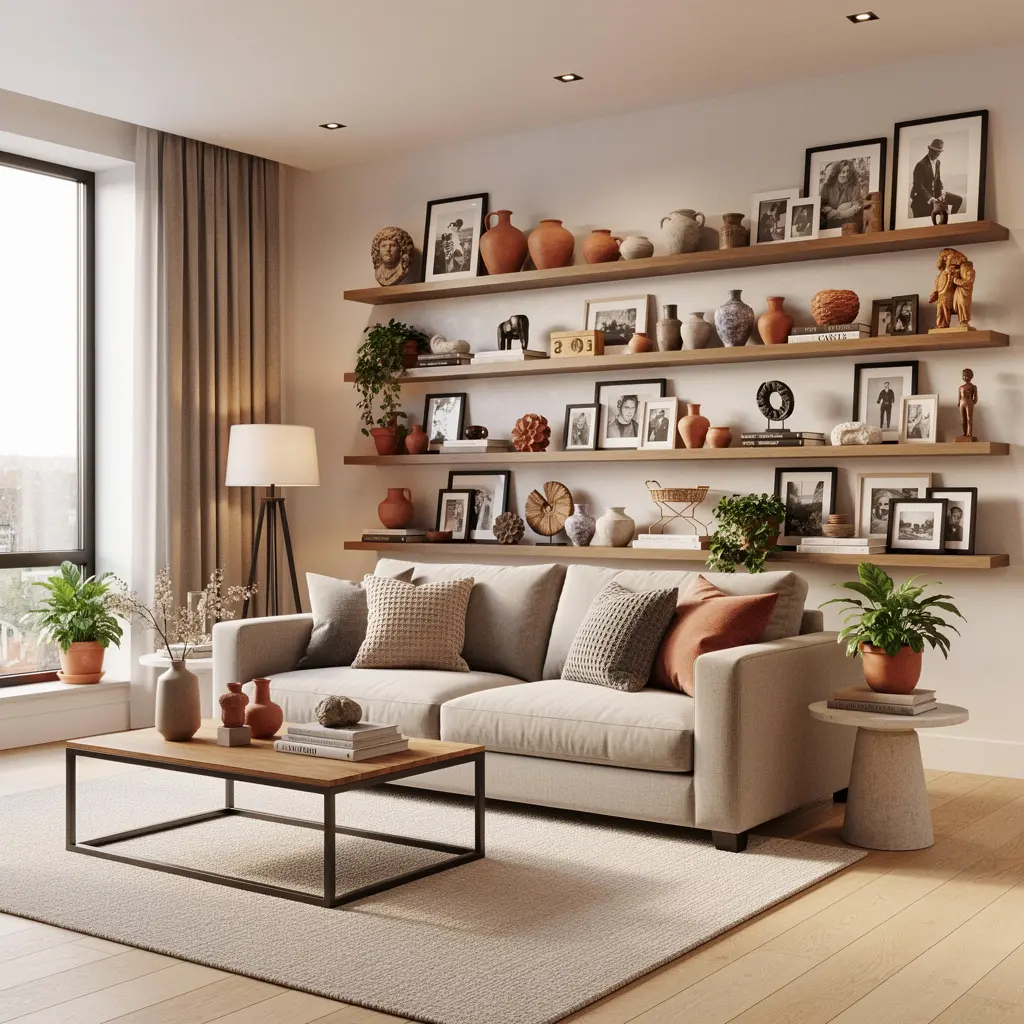
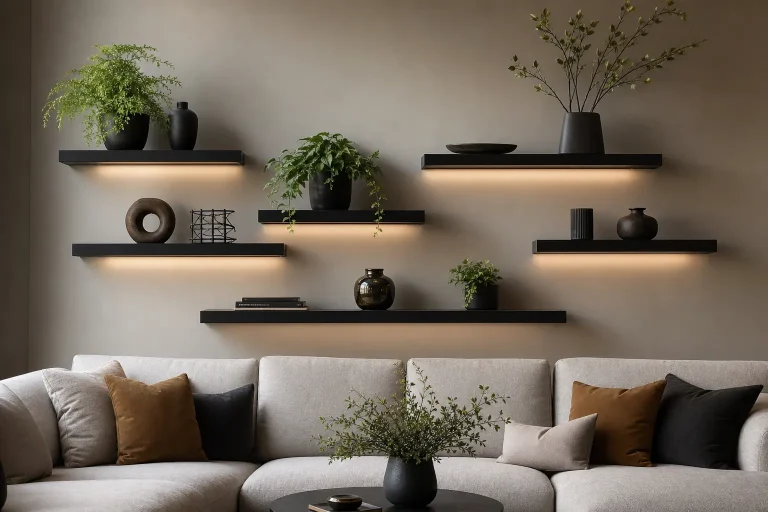
Books, art, and meaningful objects displayed with intention make a living room feel personal rather than staged, and this shift toward personal, collected spaces has become one of the defining directions in current interior design. The key word is thoughtfully, since a shelf full of unrelated objects reads as cluttered rather than curated, while a few grouped, meaningful pieces read as genuinely elegant. Grouping items by material or color, rather than spacing them evenly across a shelf, tends to look more intentional and gallery like.
7. Choose A Statement Rug As An Anchor
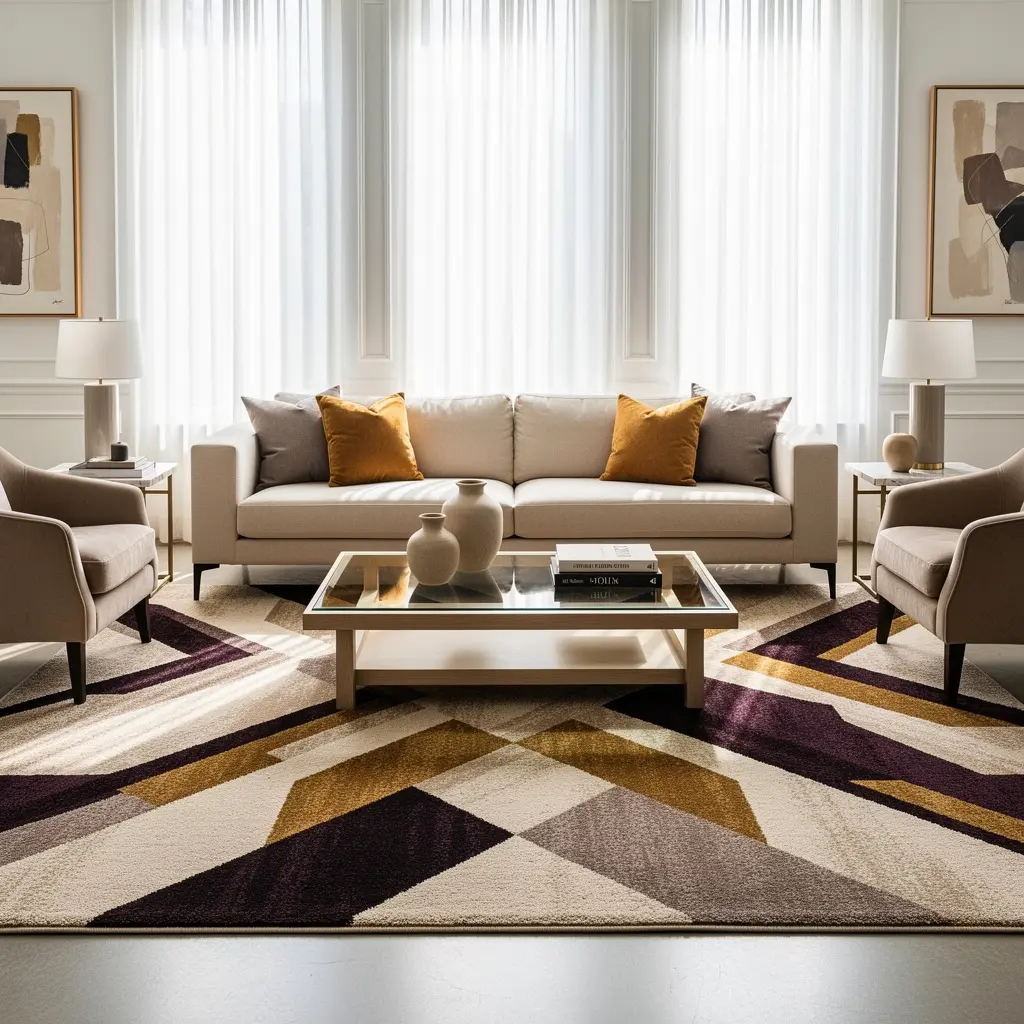
A well chosen rug, in a rich texture or a subtle, sophisticated pattern, anchors a living room and gives it a sense of finished intentionality. Layering a smaller, more textured or patterned rug on top of a larger neutral one adds visual depth and makes the room feel more collected than a single flat rug placed alone.
8. Mix Different Wood And Stone Tones
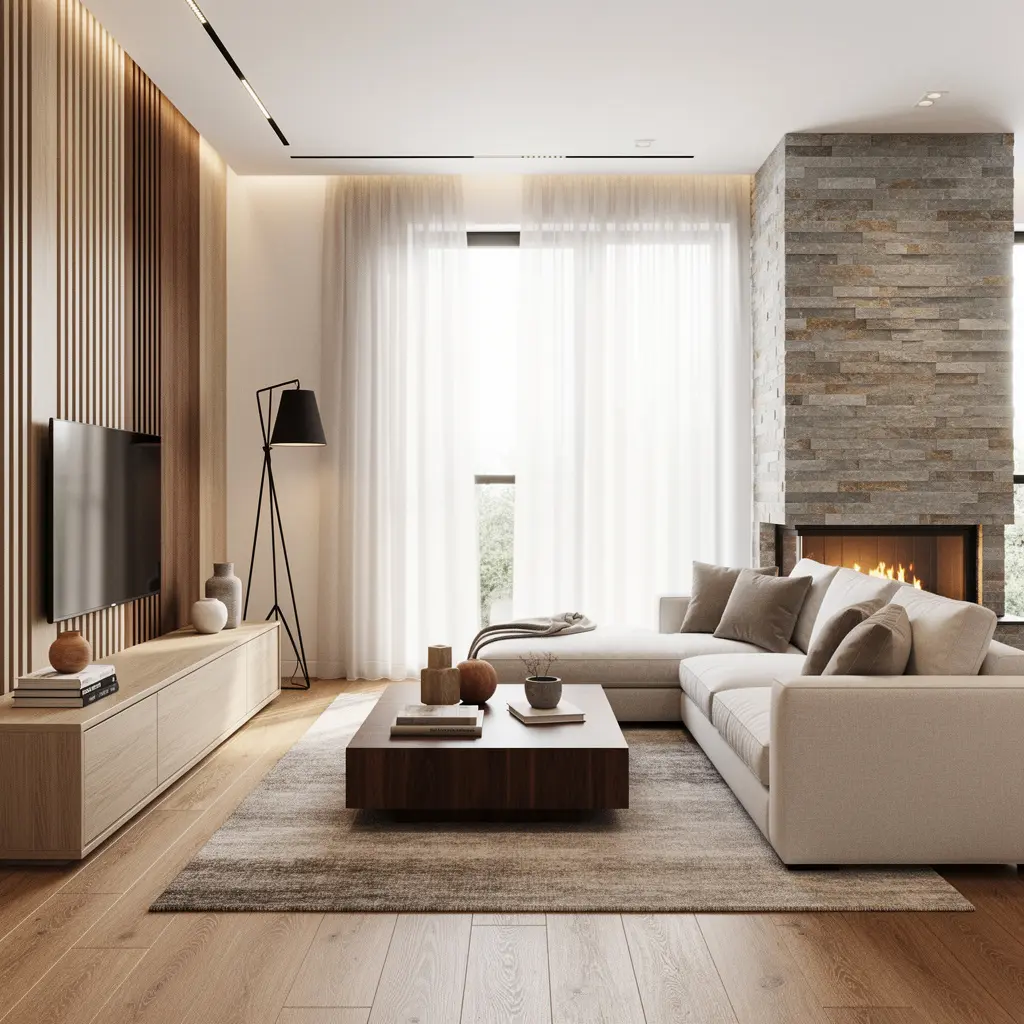
Matching every wood surface in a living room to the exact same finish can make the room feel flat rather than elegant. Combining a lighter wood tone with a warmer or darker one, or mixing two different natural stones across a fireplace surround and a side table, adds the kind of depth and texture that a fully matched room lacks.
Where Mixing Materials Works Best
A coffee table in one wood tone paired with a media console or bookshelf in a different, complementary tone is a low risk place to start mixing materials without overwhelming the room.
9. Choose Furniture Proportioned To The Room
An oversized sofa in a modest room, or an undersized coffee table in a large one, undercuts an otherwise well decorated space. Elegant rooms tend to have furniture scaled correctly to the space, with enough clearance to move comfortably, since a cramped or awkwardly proportioned layout reads as inelegant regardless of how nice the individual pieces are. Taping out a furniture layout on the floor before committing to a purchase remains one of the most reliable ways to confirm proportion before it becomes an expensive mistake.
10. Keep Surfaces Edited And Intentional
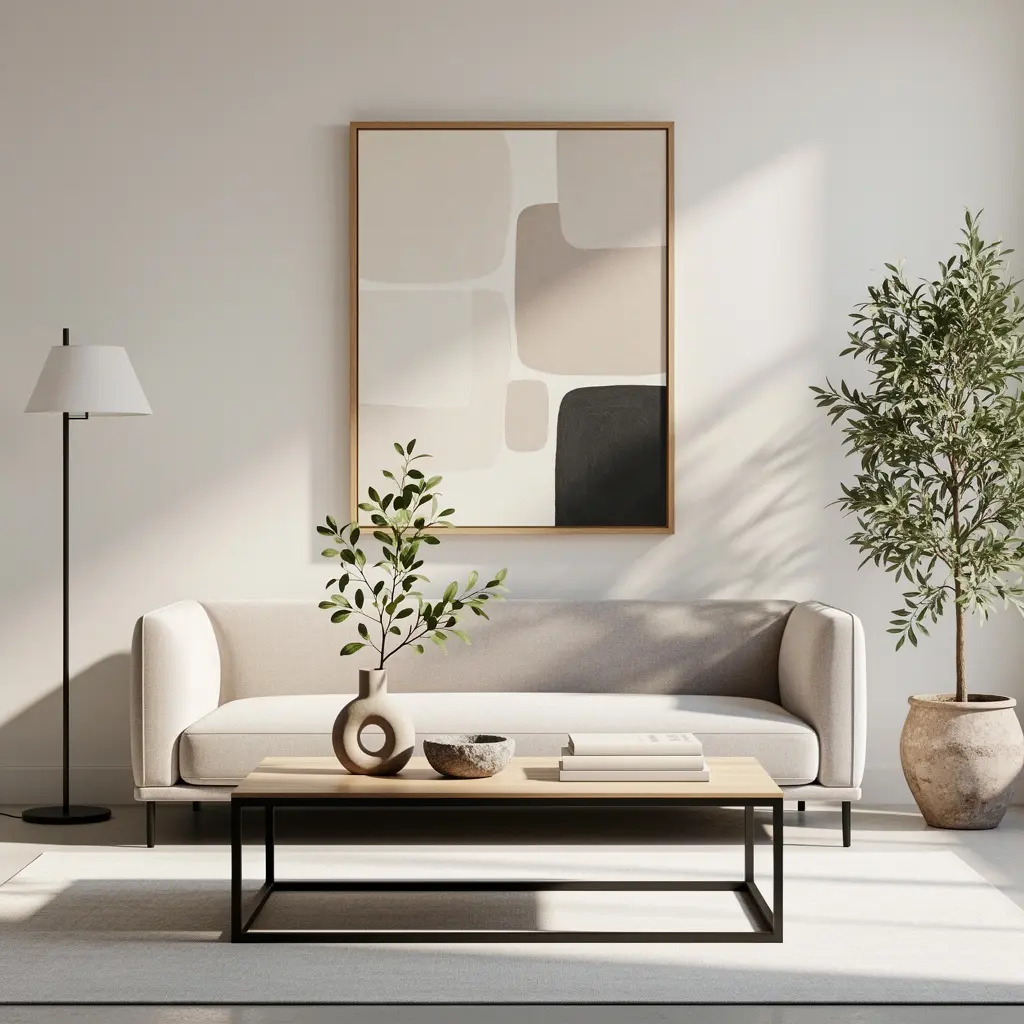
A coffee table or console crowded with too many decorative objects undercuts the sense of calm that defines an elegant room. Keeping surfaces to a few well chosen items, a single sculptural object, a small stack of books, one meaningful piece of art, reads as far more sophisticated than a fully packed display. This kind of restraint costs nothing beyond editing what’s already there, and it’s often the single fastest way to elevate a room that already has good furniture.
Mistakes to Avoid
- Furnishing the entire room from one matched set instead of mixing pieces with different origins
- Choosing more than three main colors, which can make the palette feel busy rather than sophisticated
- Relying only on overhead lighting instead of layering in lamps at different heights
- Overcrowding shelves and surfaces with too many decorative objects
- Matching every wood or stone tone exactly instead of mixing for depth
- Choosing furniture sized incorrectly for the room, leaving too little or too much clearance
Frequently Asked Questions
What color palette reads as the most elegant in a living room? A tight palette of roughly three colors, generally a warm neutral like clay or mushroom paired with one secondary tone and a single deeper accent, tends to read as more sophisticated than a room with many competing colors.
Do I need expensive furniture to make a living room feel elegant? Not necessarily. Mixing a few quality pieces, like a genuine wool rug or well made textiles, with thoughtfully sourced vintage or secondhand furniture often reads as more elegant than an entirely new, matched furniture set.
How many light sources does an elegant living room need? At least two or three beyond any overhead fixture, such as a floor lamp and a table lamp with warm bulbs, since layered lighting creates the depth and ambiance associated with sophisticated, well designed spaces.
Should all my furniture match in wood tone? No. Mixing two or three different wood or stone tones tends to add depth and a collected character that a fully matched room lacks, as long as the tones share a similar warmth.
What’s the fastest way to make an already furnished living room feel more elegant? Editing down cluttered surfaces to a few intentional objects and adding a layer of warm lamp lighting are usually the fastest, lowest cost changes, often more impactful than buying new furniture.
A Genuinely Useful Takeaway
An elegant living room comes down to restraint, proportion, and material quality working together, not the size of the budget behind it. Choose a tight color palette, mix old and new furniture thoughtfully, layer in warm lighting, and edit your surfaces down to what genuinely matters. Handled this way, the room reads as sophisticated and lived in at the same time, rather than simply well furnished.