10 Luxury Wall Planter Decor Ideas for a Living, Elevated Space
You’ve filled every shelf and corner with plants, but the wall itself still sits there flat and untouched, like the one part of the room greenery forgot. That’s exactly the gap luxury wall planter decor closes. Instead of treating plants as something that only lives on a windowsill or in a corner pot, wall planters turn vertical space into a genuine design feature, and the right materials and layout can make that feature feel elevated and intentional rather than like a basic hanging basket. Plant decor has moved well past a passing trend at this point, and wall mounted greenery specifically is one of the clearest ways to bring that lived in, elegant feel into a room without giving up any floor space.
1. Choose a Wood Rail System for a Structured, Elevated Look
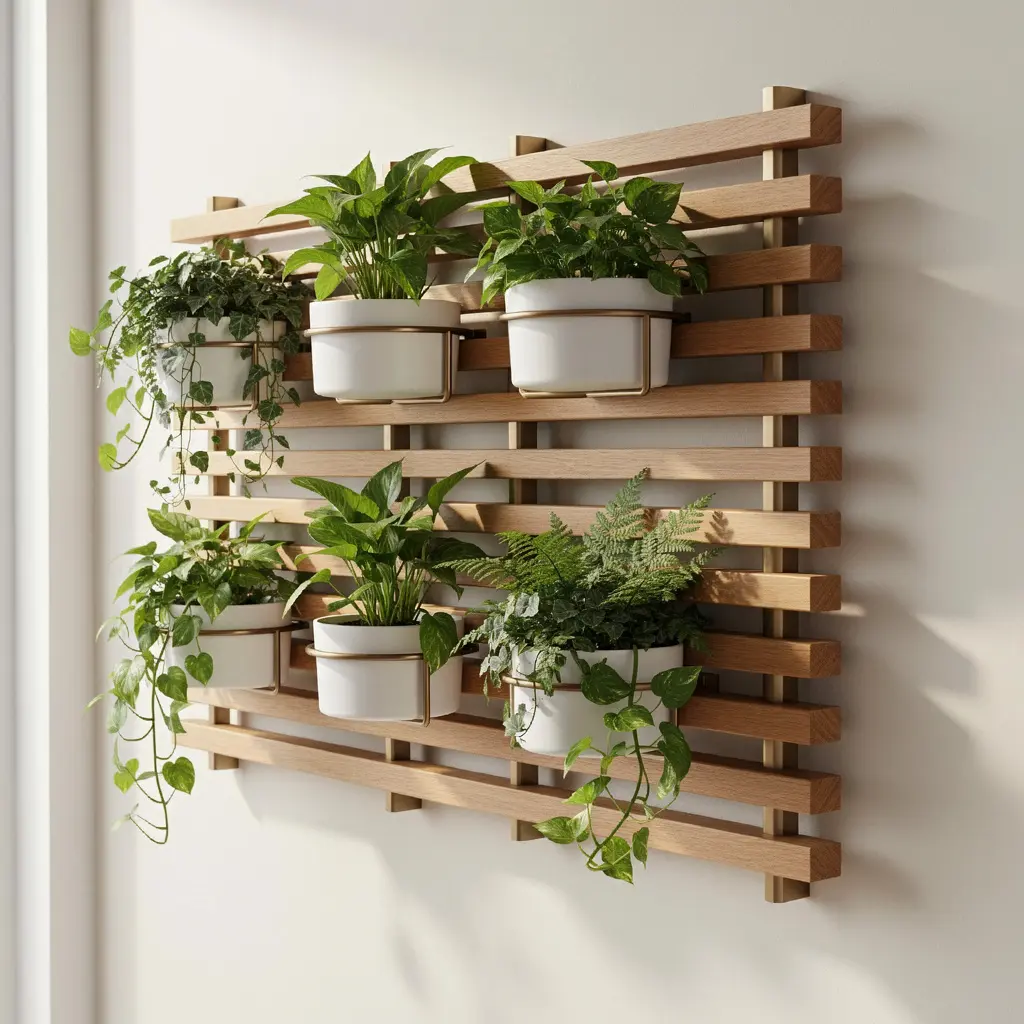
A simple wood rail mounted along the wall, lined with hanging planters at slightly varying heights, creates a vertical garden effect that reads as considered rather than accidental. The varying heights draw the eye across the wall in a soft, flowing way, which is part of why this style has become such a popular choice for dining rooms and kitchen walls where you want a hint of life without visual noise. Pairing the rail with brass or warm metal hardware adds a subtle shine that elevates the whole setup.
Why Symmetry Matters Here
Evenly spaced planters along a rail bring order to plant styling without making it feel stiff. That structure is part of what separates a genuinely elevated wall planter display from a cluttered one, since the eye can follow a clear rhythm across the wall instead of jumping between mismatched heights and spacing.
2. Invest in High Fired Ceramic or Ribbed Planters
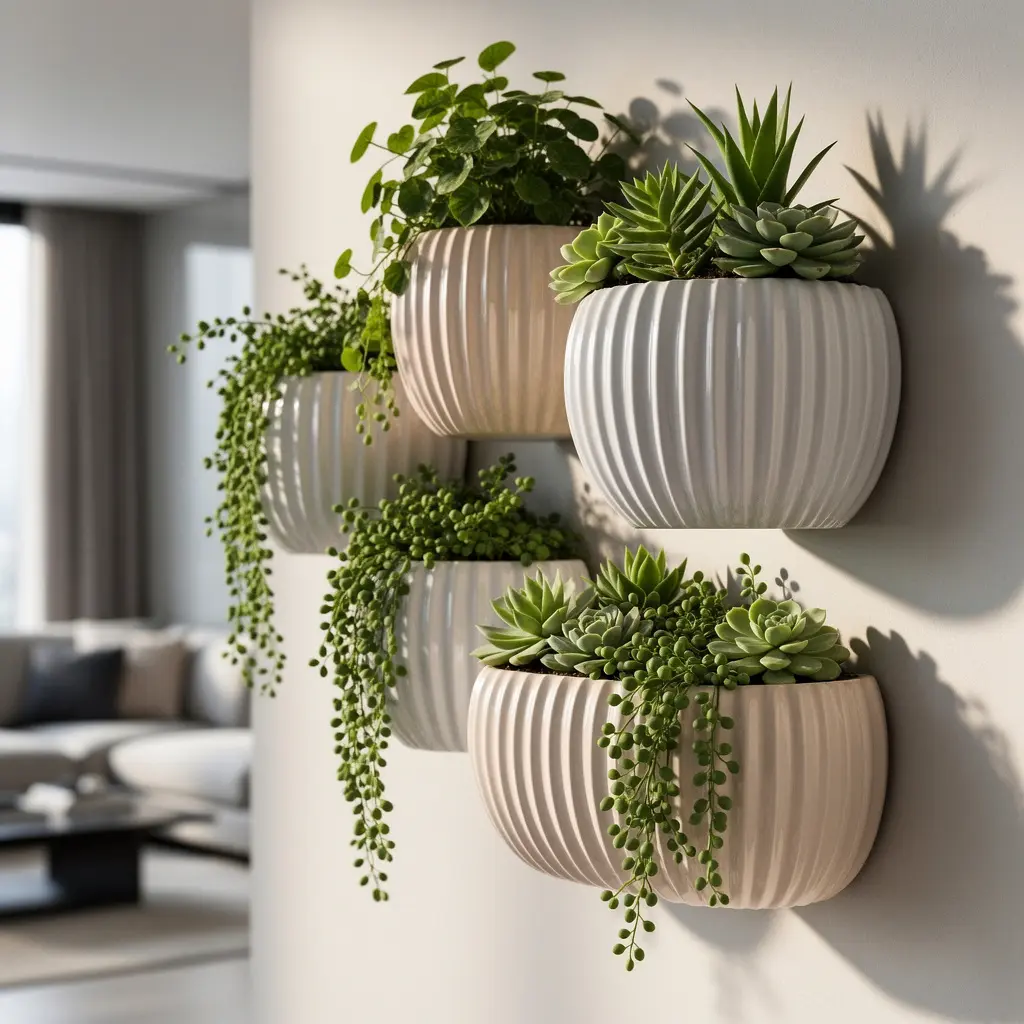
Cracked, sun faded plastic pots undercut even the best plant styling. High fired ceramic planters, especially in a ribbed or fluted texture, hold up far better over time and read as noticeably more refined against a wall. A single trailing plant in a white ribbed planter can carry an entire hallway wall on its own, which speaks to how much the container itself matters, not just the plant inside it.
3. Layer Heights for a Mini Landscape Effect
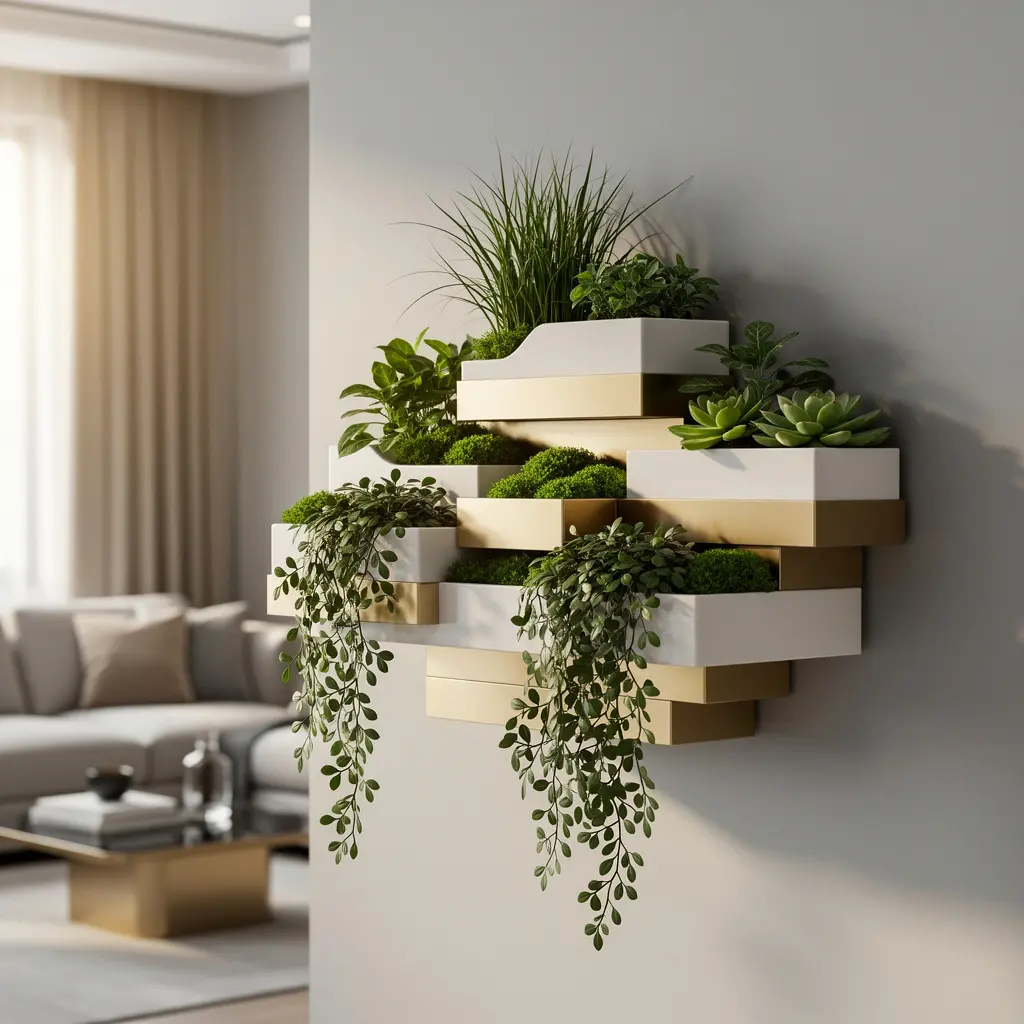
Rather than lining up several planters at the exact same level, stagger them: taller pots higher up, trailing vines in the middle, fuller shapes lower down. This layering creates a rhythm that feels intentional without being overly styled, almost like a collection that’s grown naturally over time rather than being installed all at once. It’s a technique borrowed directly from how landscape designers layer outdoor planters, applied to an interior wall instead.
Choosing Plants for Each Layer
Trailing varieties like pothos or string of pearls work well in the middle or lower positions where their vines can cascade downward. Upright, architectural plants suit the higher positions, where their shape reads clearly against the wall rather than getting lost behind trailing foliage.
4. Use Deep, Saturated Foliage Against a Light Wall
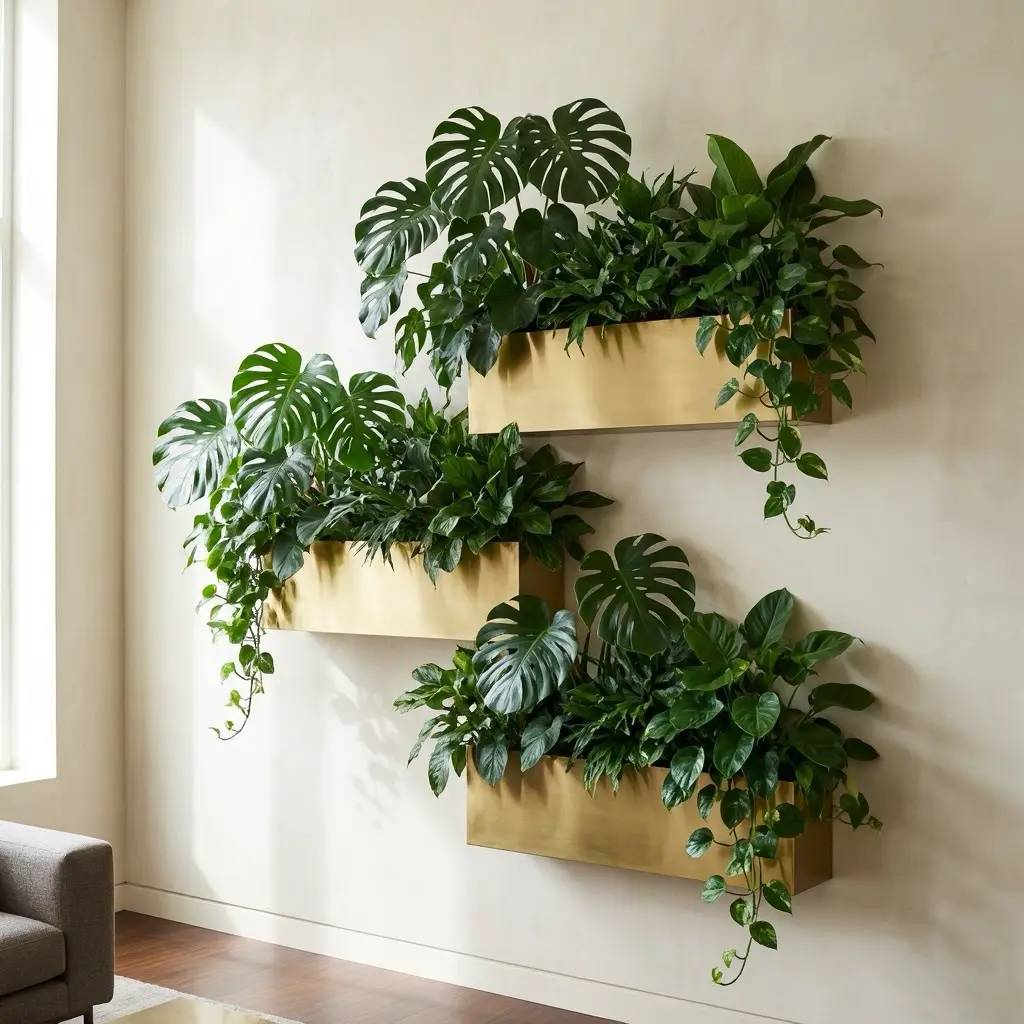
Against a deep toned shelf or a rich planter, foliage in lime green, marbled patterns, or glossy dark leaves stands out dramatically. If your wall itself is a lighter neutral, choosing plants or planters with more saturated color and texture creates the kind of contrast that makes a wall planter display feel like a deliberate design choice rather than an afterthought.
5. Mix In Bold Foliage Colors, Not Just Green
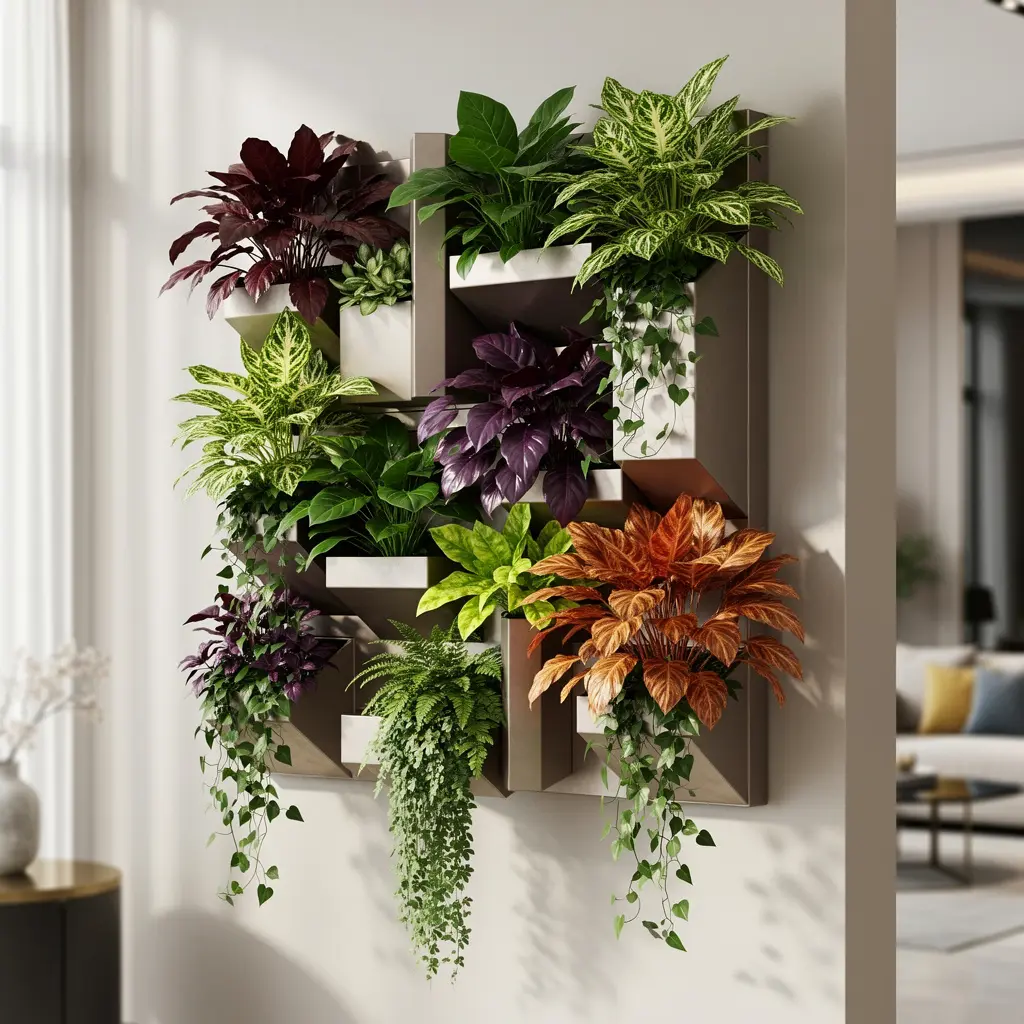
Plant decor is moving well beyond plain green. Deep burgundy, purple, and near black foliage varieties, like a burgundy leafed ctenanthe or a purple leafed yucca, are being used specifically to bring character to a chic space and can beautifully highlight a lighter wall behind them. Working one or two of these bolder foliage colors into a wall planter arrangement adds a level of visual interest a purely green setup won’t achieve on its own.
6. Choose Copper or Aged Metal Planters for Warmth
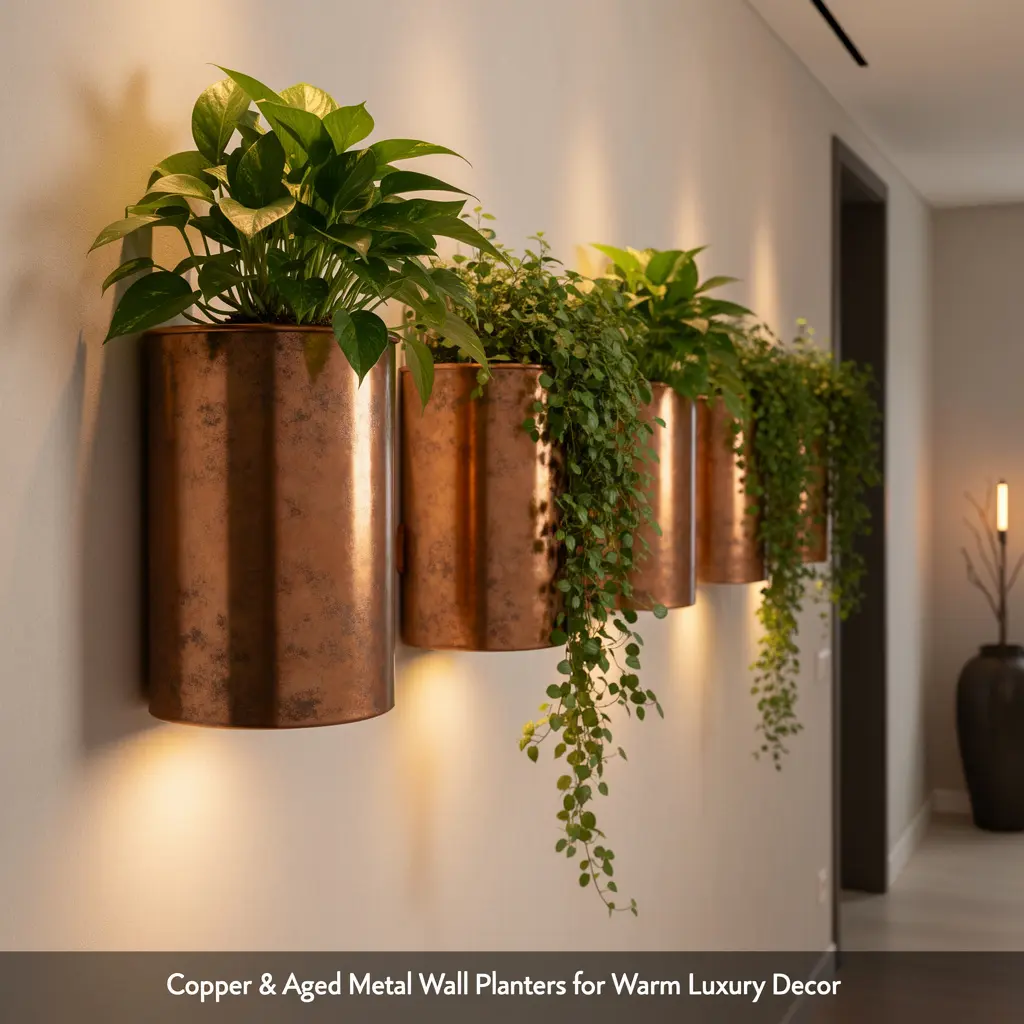
Copper toned planters, especially ones that are allowed to develop a natural patina over time, bring a warm, high end glow to a wall arrangement. This finish works particularly well paired with large leafed, tropical plants, since the metallic warmth contrasts nicely against the deep green. A saucer or drip tray behind the planter protects the wall finish from any water staining over time.
7. Use Geometric or Sculptural Planters as Standalone Art
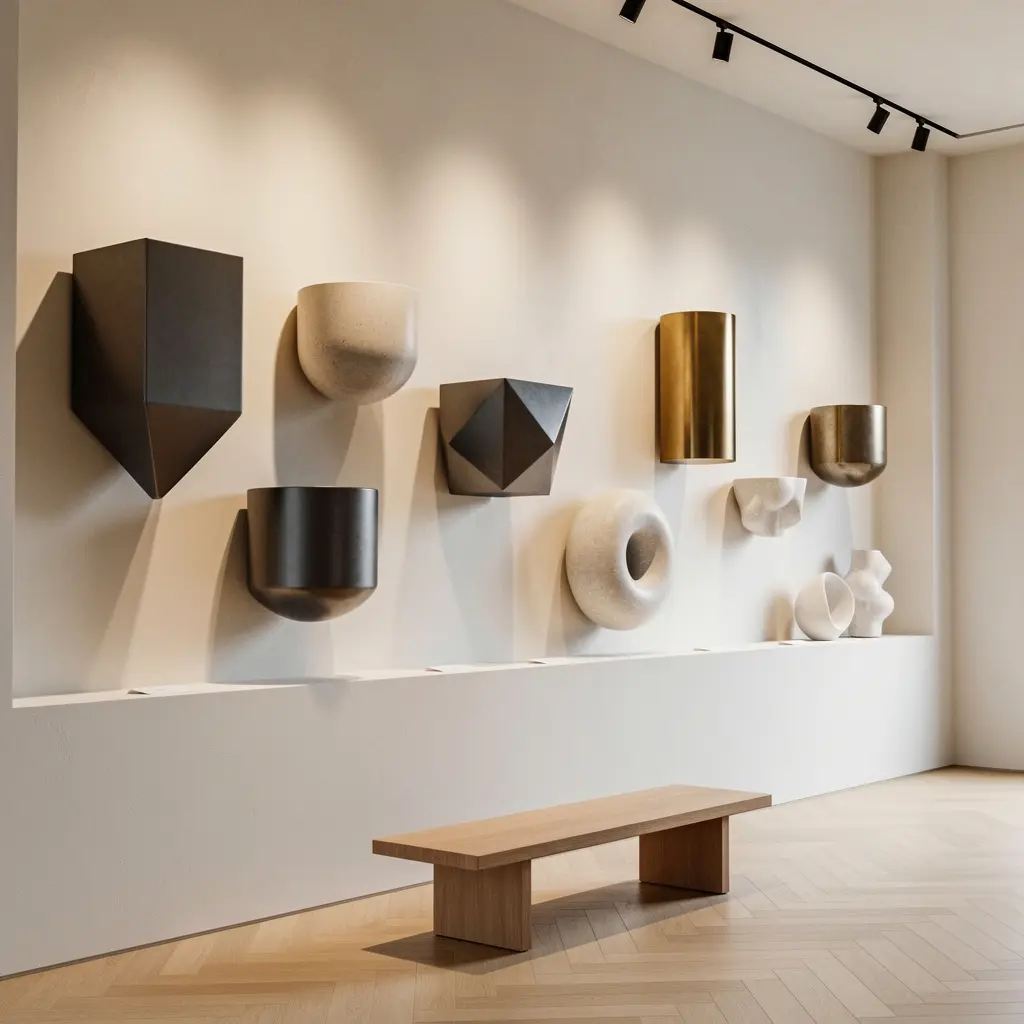
Some planters are striking enough to function as art even without a plant inside. Geometric shapes with sharp angles and repeated flat sides catch light differently throughout the day, creating shifting shadows across the wall as the sun moves. A single sculptural planter mounted at eye level can act as a genuine focal point, especially in an otherwise minimal room.
8. Add a Moss Wall or Framed Preserved Greenery Panel
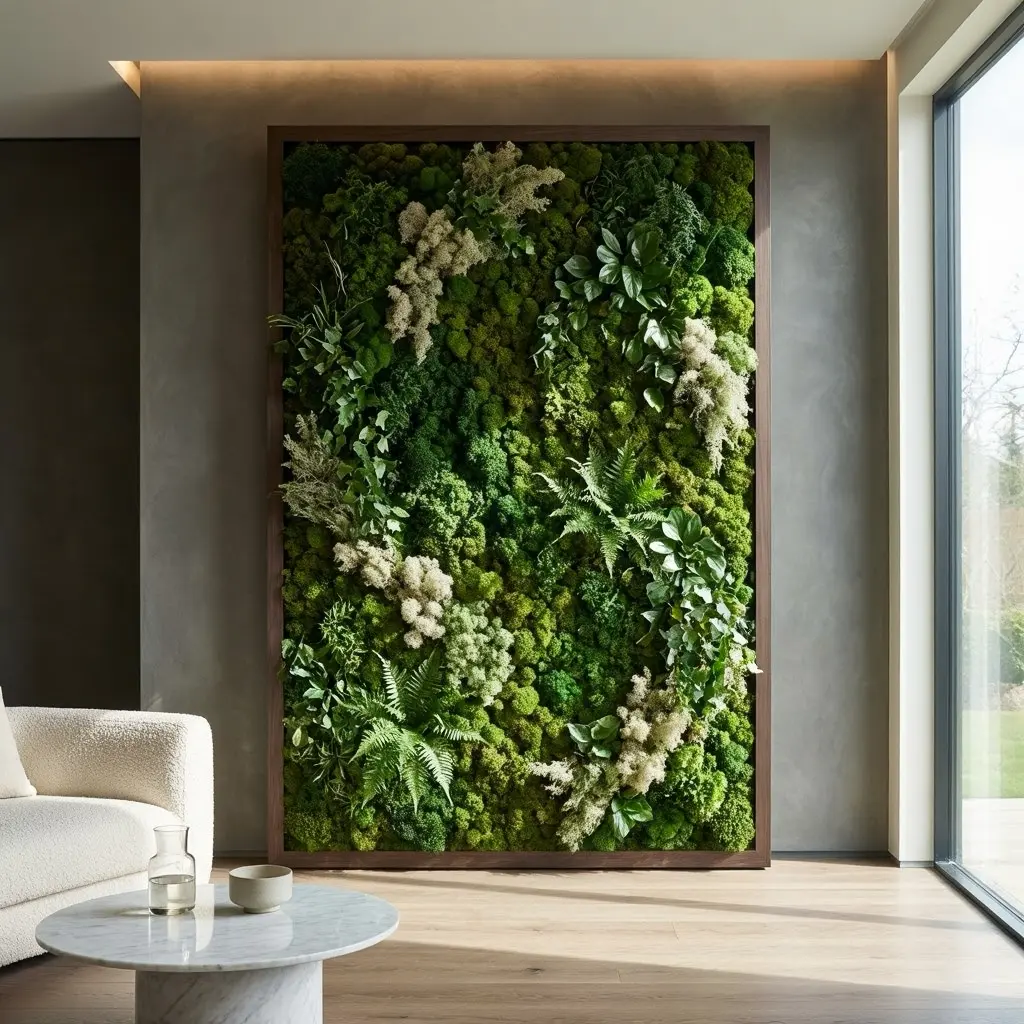
For a wall that needs texture and color but not ongoing plant care, a framed moss panel or preserved greenery installation delivers a similar living wall effect with zero watering required. Biophilic elements like this add serenity and style to a space, and a moss panel in particular reads as unmistakably luxurious thanks to its rich, dense texture.
Where Moss Panels Work Best
A moss panel works especially well above a console table, behind a sofa, or as a small accent piece in an entryway, where its texture and color add depth without the maintenance commitment of live plants in that exact spot.
9. Choose Eco Conscious, Natural Materials for the Planters Themselves
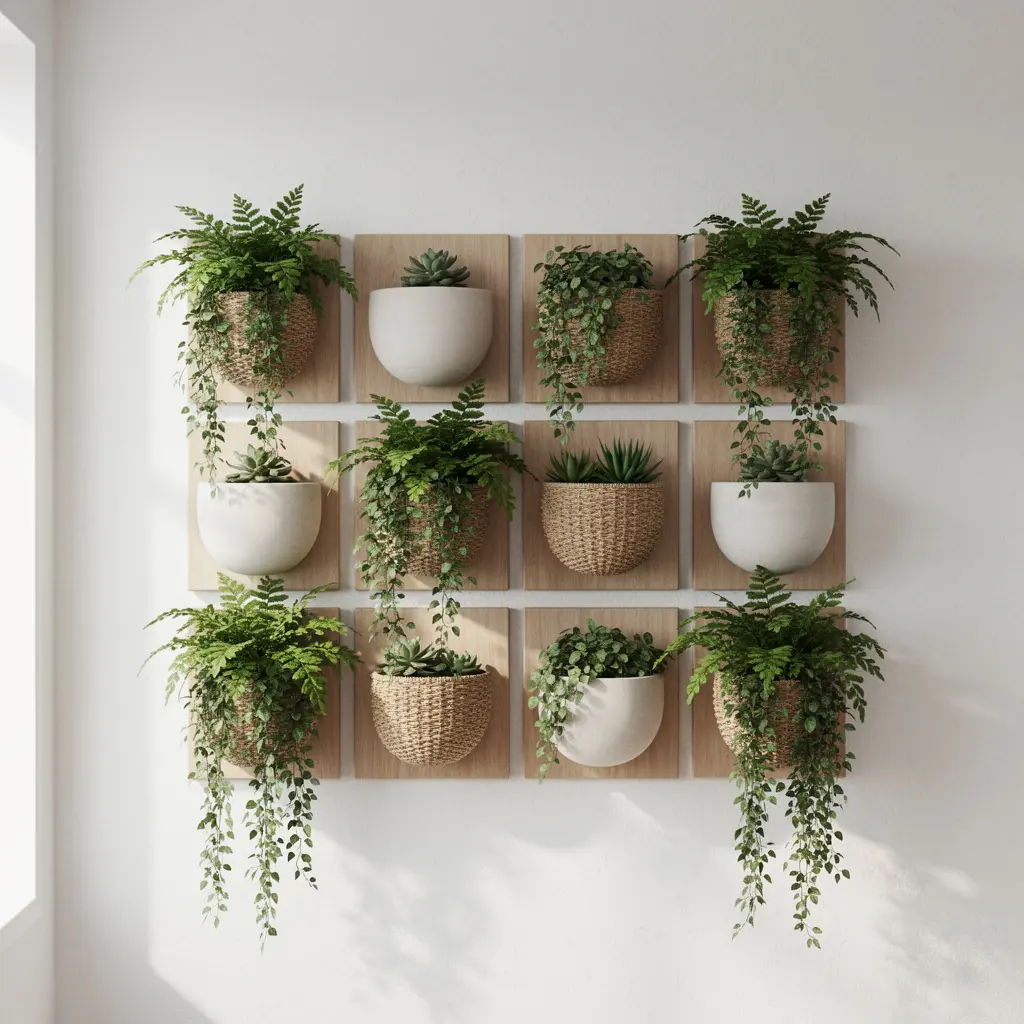
Terracotta, bamboo, cork, and recycled stone blends are increasingly the material of choice for planters this year, since they pair a natural aesthetic with genuine sustainability. These materials also tend to age gracefully rather than looking worn out, which matters for a wall mounted piece you’ll be looking at daily for years.
10. Keep the Overall Arrangement Restrained
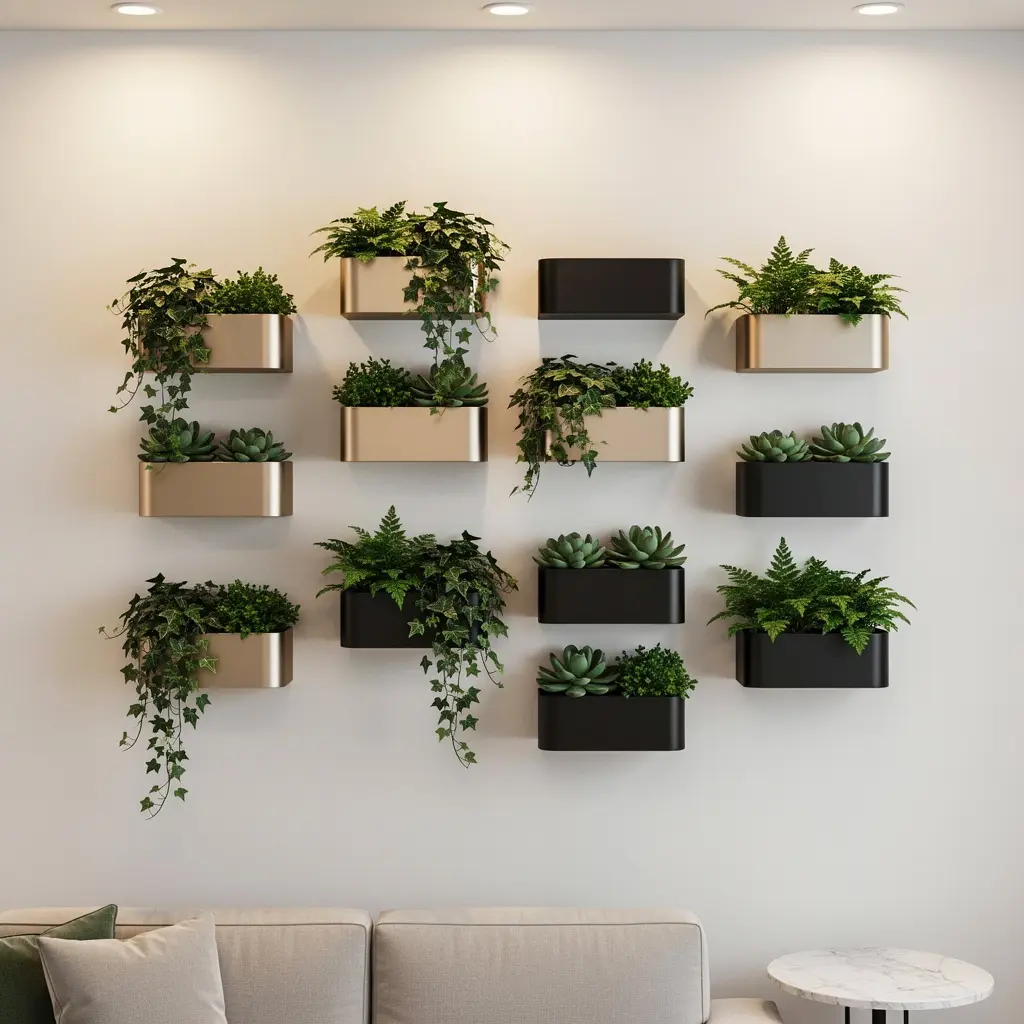
A luxury wall planter display earns its elevated feel partly through restraint. Rather than covering every inch of the wall, choose a defined area, a rail system, a cluster of three to five planters, or a single sculptural piece, and let the surrounding wall stay open. That negative space is part of what separates a curated display from a cluttered one, giving each plant and planter room to actually be seen.
Mistakes to Avoid
- Using cracked or faded plastic pots instead of investing in ceramic, ribbed, or natural material planters
- Spacing planters at identical heights instead of layering for a more natural, staggered effect
- Overcrowding the wall until the display reads as cluttered rather than curated
- Skipping a drip tray or saucer behind metal or porous planters, which risks water stains on the wall
- Ignoring foliage color variety and relying on plain green alone
- Choosing plants that need more light than the wall’s location actually receives, leading to leggy or dying greenery over time
Frequently Asked Questions
What plants work best for a wall mounted planter display? Trailing varieties like pothos and string of pearls work well for cascading effects, while upright plants with architectural shapes suit higher positions. Low light tolerant varieties are worth prioritizing if the wall doesn’t get strong natural light.
Do I need real plants, or can a wall planter display use faux greenery? Real plants add genuine texture and life, but a well made faux arrangement or a preserved moss panel can achieve a similar visual effect with no maintenance, which is a reasonable option for a wall with poor light or for anyone who doesn’t want ongoing plant care.
What’s the most budget friendly way to start a wall planter display? A simple wood rail with a few hanging planters is usually the most affordable entry point, since the rail itself is inexpensive and the planters can be added gradually rather than all at once.
How do I protect the wall from water damage? Use planters with drip trays or saucers, especially for metal or porous ceramic pieces, and avoid overwatering, since excess runoff is the most common cause of wall staining behind a planter display.
Is a wall planter display practical for a low light room? It can be, if you choose shade tolerant varieties like pothos, ZZ plants, or certain philodendrons, or lean on a preserved moss panel or high quality faux arrangement instead of live plants that need brighter light.
Conclusion
A luxury wall planter display comes down to restraint and material choice as much as it does the plants themselves. Choose a structured layout, invest in ceramic or natural material planters over plastic, and layer heights and foliage colors so the wall feels considered rather than crowded. Start with a single rail or a small cluster of planters, and let the arrangement grow from there. The result is a wall that feels genuinely alive, not just decorated.